




Vegetable Slicer Guide: Faster Prep, Cleaner Cuts, Smarter Use
A vegetable slicer can make everyday cooking more efficient when it is chosen and used correctly. Instead of spending extra time cutting cucumbers, carrots, zucchini or cabbage by hand, a slicer helps create consistent pieces for salads, stir-fries, garnishes and quick side dishes. The goal is not to replace knife skills completely, but to make repetitive preparation easier, cleaner and more predictable.
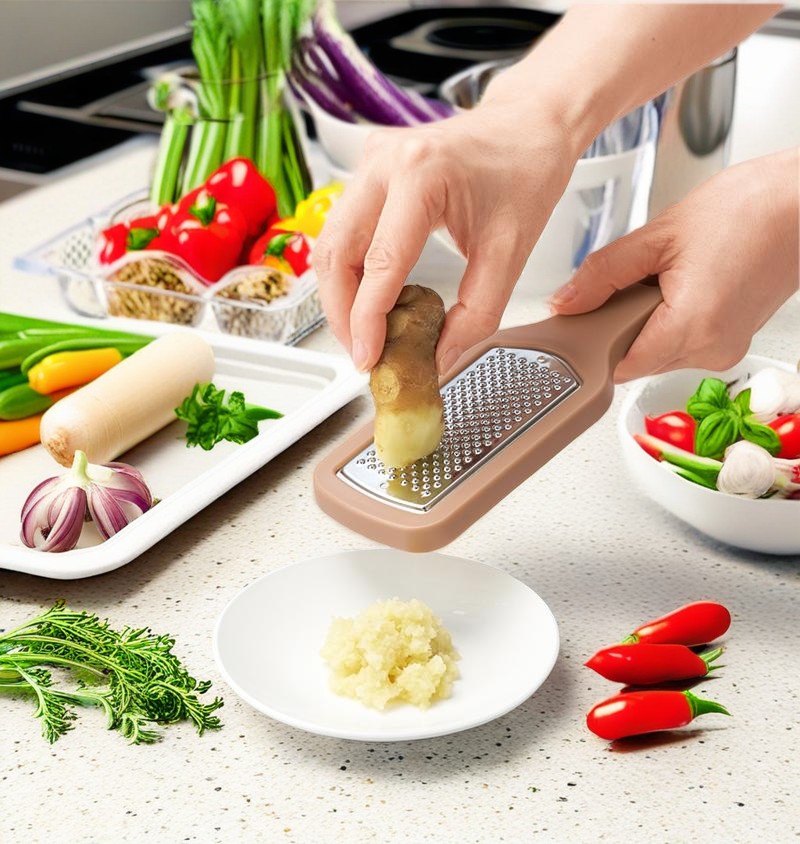
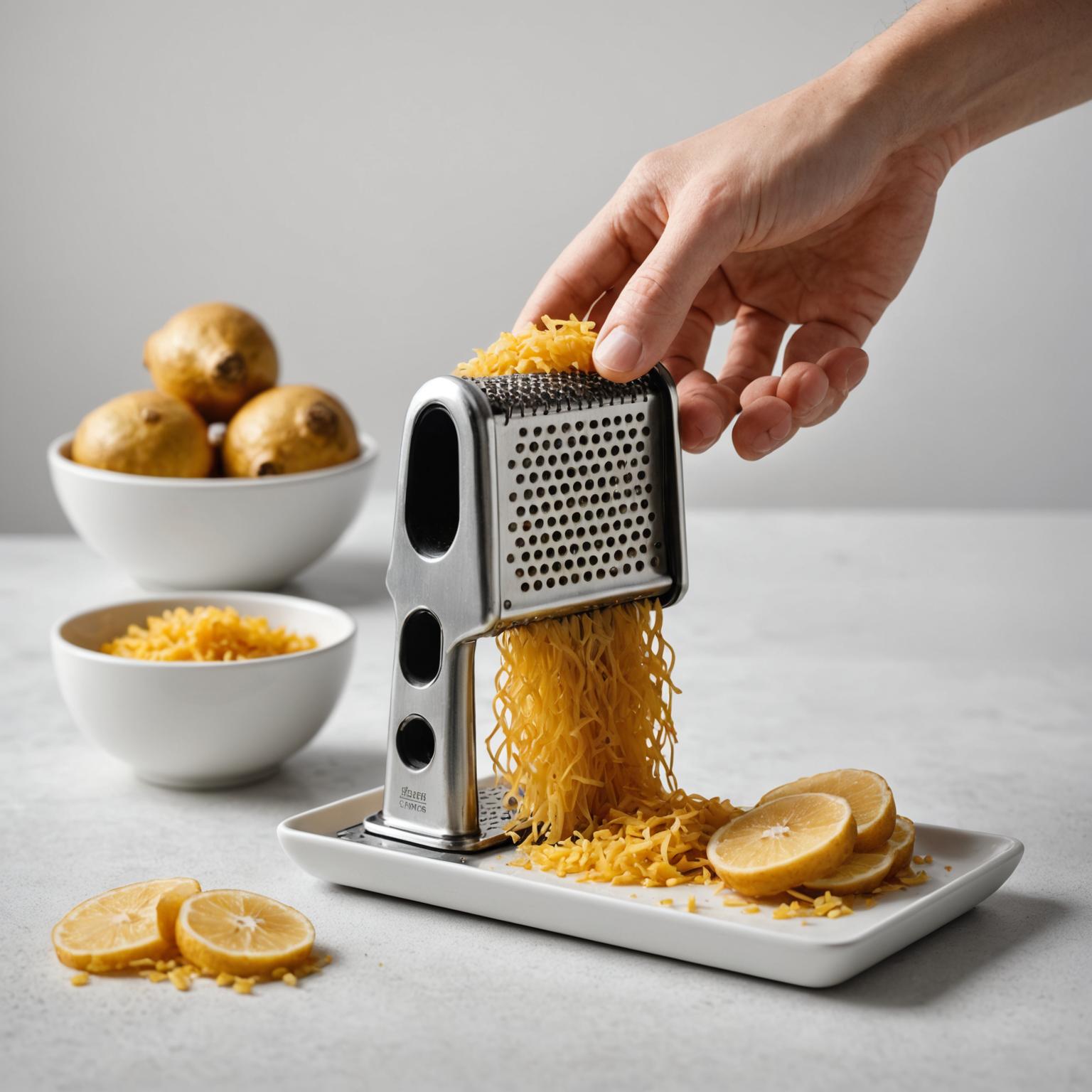
The original product introduction highlights a compact vegetable slicer set with an ergonomic handle, stainless steel blades, colorful design and options for slicing, julienning vegetables or shredding hard cheese. Those are useful features for home kitchens, small food-prep stations and anyone who wants a simple hand tool that does not take up the space of a large appliance.
Key Takeaways
- A vegetable slicer is best for repeated cuts where consistency and speed matter.
- Look for blade options that match your common tasks: slicing, julienne cuts and shredding.
- Stainless steel blades, if included, should be kept clean, dry and safely stored.
- A compact slicer is useful for small kitchens, but safety and grip matter more than size alone.
- Ask practical questions about replacement blades, cleaning guidance and packaging if sourcing for resale or food-service use.
Why a Vegetable Slicer Belongs in a Practical Kitchen
Many meals start with the same basic work: slicing vegetables evenly. Thin cucumber slices for a salad, strips of carrot for a stir-fry, shredded vegetables for slaws and finely cut ingredients for toppings all take time. A vegetable slicer helps reduce that repetitive effort, especially when preparing several portions at once.
Consistency is the main benefit. Vegetables cut to a similar thickness cook more evenly and look neater on a plate. For raw dishes, even slices also improve texture because each bite feels similar. This matters for simple meals as much as for more formal preparation.
A compact hand slicer can also reduce clutter. Unlike bulky electric equipment, it can usually fit in a drawer or small storage container. For people who cook in apartments, shared kitchens, RVs or small prep areas, this matters as much as cutting performance.
What to Look for in a Vegetable Slicer Set
Not every vegetable slicer is designed for the same job. Some are intended mainly for straight slices, while others include julienne or shredding functions. Before choosing one, think about the foods you prepare most often. A cook who makes salads may need thin slicing more than shredding. Someone who prepares stir-fries may value julienne cuts. A person who grates hard cheese occasionally may want a slicer set that can handle that task without changing tools.
| Feature to Check | Why It Matters | Useful Buyer Question |
|---|---|---|
| Blade type | Determines whether the slicer can slice, julienne or shred. | Which cutting styles are included in the set? |
| Blade material | The source mentions stainless steel blades, which are common for kitchen cutting tools. | How should the blades be cleaned, dried and stored? |
| Handle design | An ergonomic handle can improve control during repeated use. | Is the handle comfortable for both small and large hands? |
| Storage size | A compact tool is easier to keep accessible in a busy kitchen. | Does the set include a storage case or blade cover? |
| Cleaning method | Food can collect around blades and corners. | Are any parts dishwasher-safe, or is hand washing recommended? |
| Safety accessories | Sharp blades require careful handling. | Is a hand guard, food holder or protective cover included? |
Best Everyday Uses: From Salads to Stir-Fries
A vegetable slicer is most helpful when the ingredient is firm enough to guide across the blade but not so hard that it requires excessive force. Cucumbers, carrots, zucchini, potatoes, radishes and cabbage are common examples. For softer produce, such as ripe tomatoes, a sharp blade and gentle pressure are important to avoid crushing.
For salads, use thin slices of cucumber, radish or carrot to create a clean texture. For stir-fries, julienne vegetables can cook quickly and mix well with noodles, rice or protein. For garnishes, small shredded pieces can add color and crunch without overwhelming the dish.
- Wash vegetables thoroughly before cutting.
- Trim flat edges when needed so the ingredient sits securely.
- Use steady pressure rather than forcing the vegetable through the blade.
- Keep fingers away from the cutting surface, especially as the piece becomes smaller.
- Clean the slicer soon after use to prevent food from drying around the blade.
Safety Tips for Cleaner, More Confident Cutting
Because vegetable slicers use sharp blades, safe handling is essential. Speed should never come before control. If the slicer includes a food holder or hand guard, use it whenever the ingredient becomes short. If no guard is included, stop before your fingers get close to the blade and finish the remaining piece with a knife.
Place the slicer on a stable surface or hold it at a safe angle over a bowl, depending on its design. Wet hands, slippery vegetables and crowded countertops all increase risk. Dry the handle before use, keep the cutting area clear and avoid distractions.
Children should not use a slicer without close adult supervision. Even small hand tools can cause cuts if used carelessly. When the slicer is not in use, store it where blades are covered or separated from loose utensils.
Cleaning and Storage: Protect the Blades and Your Hands
Good cleaning habits help a vegetable slicer last longer and stay pleasant to use. Rinse it soon after cutting, especially after starchy vegetables like potatoes or strongly colored foods like carrots. Use a brush rather than fingers to remove food from blade openings.
If the supplier does not clearly state that the slicer is dishwasher-safe, hand washing is the cautious approach. Warm water, mild dish soap and careful brushing are usually enough for everyday cleaning. After washing, dry the stainless steel blades thoroughly before storage to reduce water spots and keep the tool ready for the next use.
Storage should protect both the blades and the person reaching into the drawer. A blade cover, case or dedicated compartment is useful. If the slicer set includes multiple blades, avoid stacking them loosely where edges can be damaged or hands can be cut.
Questions to Ask Before Buying or Sourcing in Quantity
For consumer use, a single slicer set may be enough. For retailers, wholesalers, promotional buyers or food-service teams, the decision requires more careful checking. Avoid relying only on photos or general descriptions. Ask for clear product details and, if possible, evaluate a sample before placing a larger order.
- Which blade styles are included, and are replacement blades available?
- What materials are used for the handle, body and blade components?
- What cleaning method does the supplier recommend?
- Is there a hand guard, storage cover or instruction sheet?
- How is the product packaged for retail, shipping or bulk handling?
- Are there any applicable compliance documents for the intended market?
- What are the lead time, minimum order quantity and customization options?
These questions help buyers compare products without assuming specifications that have not been confirmed. They also make it easier to match the slicer to the intended use, whether for home kitchens, store shelves or small commercial prep environments.
FAQ
Can a vegetable slicer replace a kitchen knife?
No. A slicer is useful for repeated cuts, but a knife is still needed for trimming, peeling, cutting irregular shapes and finishing small pieces safely.
What vegetables work best with a slicer?
Firm vegetables such as cucumbers, carrots, zucchini, potatoes, radishes and cabbage usually work well. Very soft or uneven ingredients may require extra care.
Is a vegetable slicer safe for beginners?
Yes, if used slowly and carefully. Beginners should use a hand guard when available, keep fingers away from the blade and stop before the ingredient becomes too small to hold safely.
How should stainless steel blades be maintained?
Clean them soon after use, avoid touching the sharp edges, dry them thoroughly and store them with a cover or in a protected area.
What should buyers confirm before wholesale sourcing?
Confirm blade options, materials, packaging, cleaning instructions, safety accessories, replacement parts, lead time, MOQ and any compliance documents required for the target market.
