




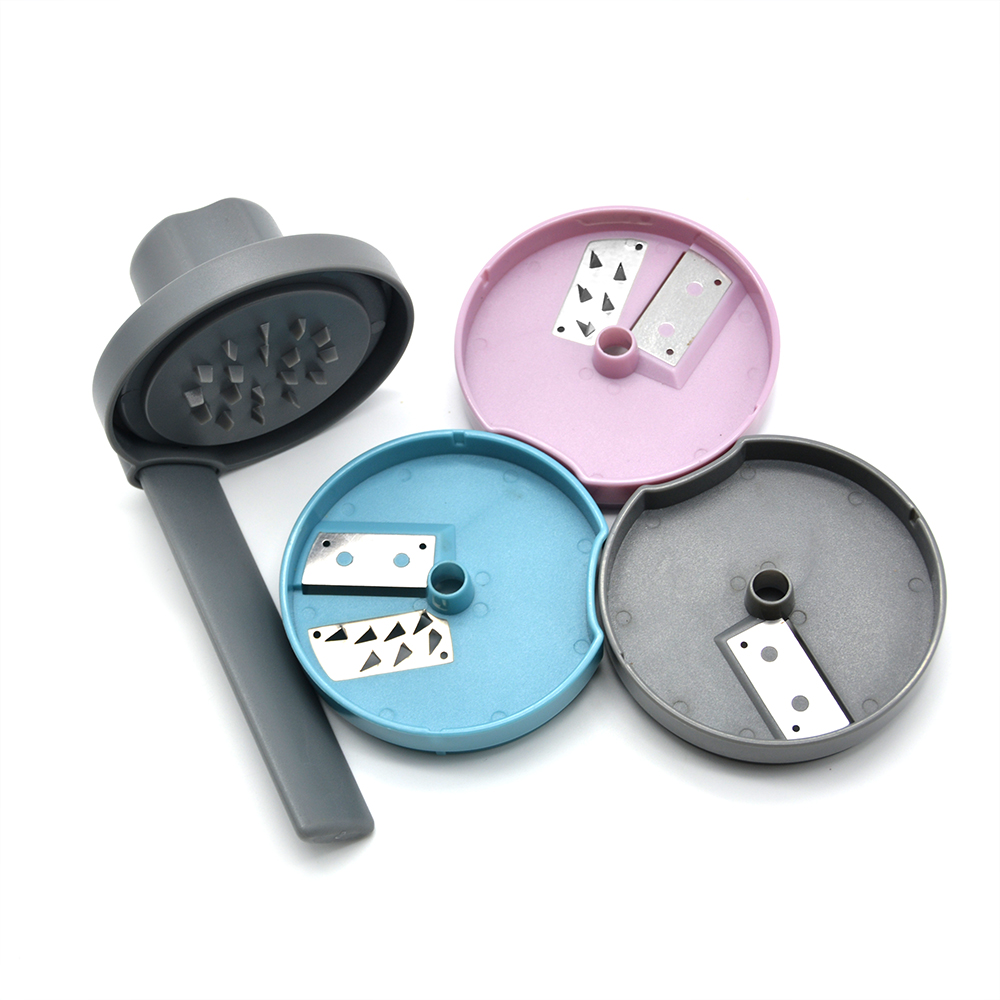
Handheld Spiralizer Sourcing and Buying Guide
A handheld spiralizer is a compact kitchen tool designed to turn vegetables into spiral noodles, ribbons, and fine shreds. For home cooks, it can make zucchini noodles, carrot curls, cucumber ribbons, and salad garnishes easier to prepare. For retailers, importers, and kitchenware brands, it is also a product category where design details, blade quality, safety, packaging, and supplier communication matter as much as appearance.
The original idea is simple: a small manual gadget that helps people prepare vegetables in a more varied way. However, not every handheld spiralizer will suit the same buyer. Some users want a minimal tool for occasional meal prep. Others need interchangeable blades, a collection container, or a more comfortable grip for repeated use. If you are sourcing from a factory, OEM partner, or wholesale supplier, the best approach is to define the intended user, required features, and quality checks before discussing price.
Key Takeaways
- A handheld spiralizer is useful for zucchini noodles, carrot curls, vegetable ribbons, and salad toppings.
- Important selection points include blade sharpness, handle comfort, stability, cleaning access, and storage size.
- For B2B sourcing, ask suppliers to confirm materials, blade grade, packaging options, quality control steps, MOQ, lead time, and sample availability.
- A compact design can be attractive for small kitchens, travel cooking, and retailers that sell space-saving kitchen gadgets.
What a Handheld Spiralizer Does Best
Handheld spiralizers are mainly used for vegetables with enough firmness to hold their shape during cutting. Zucchini is a common choice because it can be turned into noodle-like strands for low-carbohydrate dishes. Carrots can be shaped into curls for stir-fries, slaws, and garnishes. Cucumbers can be sliced into ribbons for salads or cold dishes. The tool can also help reduce preparation time compared with cutting decorative shapes by hand.
The biggest advantage is convenience. A handheld model usually takes less storage space than a countertop spiralizer and can be easier to bring out for quick meals. It may appeal to consumers who do not want another large appliance, as well as buyers who need a lightweight product for online sales, gift sets, or small kitchenware displays.
Important Product Features to Compare
When comparing handheld spiralizer options, look beyond the product photo. A tool may look similar to another model but perform differently because of the blade angle, opening size, grip design, and how easily food passes through the cutting area. The original article mentions stainless steel blades, interchangeable blades, a transparent collection container, and an ergonomic handle as useful features. If these details are important to your assortment, confirm them directly with the supplier rather than assuming they apply to every model.
| Feature to Check | Why It Matters | Questions to Ask a Supplier |
|---|---|---|
| Blade material and sharpness | Affects cutting consistency, effort, and product life. | What blade material is used? Can you provide material details and care instructions? |
| Blade options | Different cuts allow noodles, ribbons, or shreds. | Are blades fixed or interchangeable? What cut styles are available? |
| Handle and grip | Comfort matters during repeated twisting or longer prep. | Is the handle designed for anti-slip use? Can samples be tested for hand feel? |
| Collection container | Helps keep counters cleaner and portions visible. | Is a container included? Is it transparent? How does it attach and detach? |
| Cleaning access | Vegetable fibers can remain near blades. | How should the tool be cleaned? Are any parts removable? |
| Packaging | Influences retail presentation and shipping protection. | What standard packaging is offered? Can private-label packaging be discussed? |
How to Choose for Consumer Use
For consumers, the right handheld spiralizer depends on cooking habits. If you make vegetable noodles once in a while, a simple compact model may be enough. If you prepare salads, lunch boxes, or low-carb meals often, a model with multiple cutting options and a comfortable handle may be worth considering. The tool should feel secure in the hand, and the cutting area should be easy to rinse carefully after use.
- Choose firm, straight vegetables that fit the tool opening.
- Trim the ends flat so the vegetable turns more evenly.
- Apply steady pressure rather than forcing the blade.
- Stop before your fingers get too close to the cutting area.
- Clean the blade area promptly after use to prevent dried vegetable residue.
Because blades are sharp, safe handling is essential. Users should follow the supplier's instructions, store the tool away from children, and avoid reaching directly into the blade area during cleaning. If the model includes a food holder or protective cap, check how it is intended to be used.
B2B Sourcing Guidance for Retailers and Brands
For wholesale and OEM buyers, a handheld spiralizer should be evaluated as both a kitchen tool and a consumer product. The price may be important, but the product also needs to match your market's expectations for usability, safety, packaging, and after-sales clarity. Do not rely only on catalog claims. Request samples, test them with several vegetables, and compare results across multiple users.
Before placing an order, ask practical questions: What materials are used in the body, handle, container, and blades? What quality control steps are performed before shipment? What are the available colors, packaging formats, and branding options? What is the MOQ? What is the production lead time? Are replacement parts or spare blades available? Can the supplier provide product photos, user instructions, or packaging templates for review?
Buyers should also clarify any compliance requirements for their target market. Rather than assuming certifications or test reports exist, ask the supplier what documents can be provided and whether they are current and relevant to the exact product model being purchased. Keep records of samples, specifications, approved packaging, and agreed inspection standards.
Use, Care, and Merchandising Tips
A handheld spiralizer is easier to sell when its use case is clear. Product listings and retail packaging should show realistic vegetables and practical cuts, such as zucchini noodles, carrot spirals, and cucumber ribbons. Avoid overpromising that one small tool can replace every slicer, grater, or food processor. Consumers are more likely to be satisfied when they understand what the tool does well.
Care instructions should be simple and visible. If a model is not confirmed as dishwasher safe, do not claim that it is. Recommend careful hand cleaning unless the supplier's instructions state otherwise. For online sales, include close-up images of the blade area, handle, container, and included accessories so buyers know what they will receive.
Common Mistakes to Avoid
One common mistake is choosing a spiralizer only by the lowest quote. A poorly designed blade or uncomfortable grip can lead to returns, weak reviews, or safety complaints. Another mistake is copying generic product claims without verifying them for the specific model. If a supplier offers several similar spiralizers, confirm which features belong to the exact SKU being ordered.
Retailers should also avoid vague descriptions such as professional quality unless there is evidence to support the claim. Clear, factual wording is safer and more useful: describe the cut styles, included parts, care method, approximate intended vegetables, and whether the item is compact for storage.
FAQ
What vegetables work well with a handheld spiralizer?
Firm vegetables such as zucchini, carrots, and cucumbers are common choices. Very soft, hollow, or irregular vegetables may not cut as cleanly.
Is a handheld spiralizer suitable for small kitchens?
Yes, its compact size is one of its main advantages. It is easier to store than many countertop spiralizers and can be useful for quick meal preparation.
Should B2B buyers request samples before ordering?
Yes. Samples allow buyers to test cutting performance, grip comfort, cleaning access, packaging, and overall workmanship before confirming a larger order.
Can a supplier provide OEM or private-label options?
Some suppliers may offer branding or packaging customization, but details vary. Ask about MOQ, artwork requirements, lead time, sample approval, and any additional costs.
How should the blades be cleaned safely?
Follow the supplier's care instructions. In general, clean promptly, avoid direct finger contact with sharp edges, and use a brush if needed to remove trapped vegetable fibers.
