




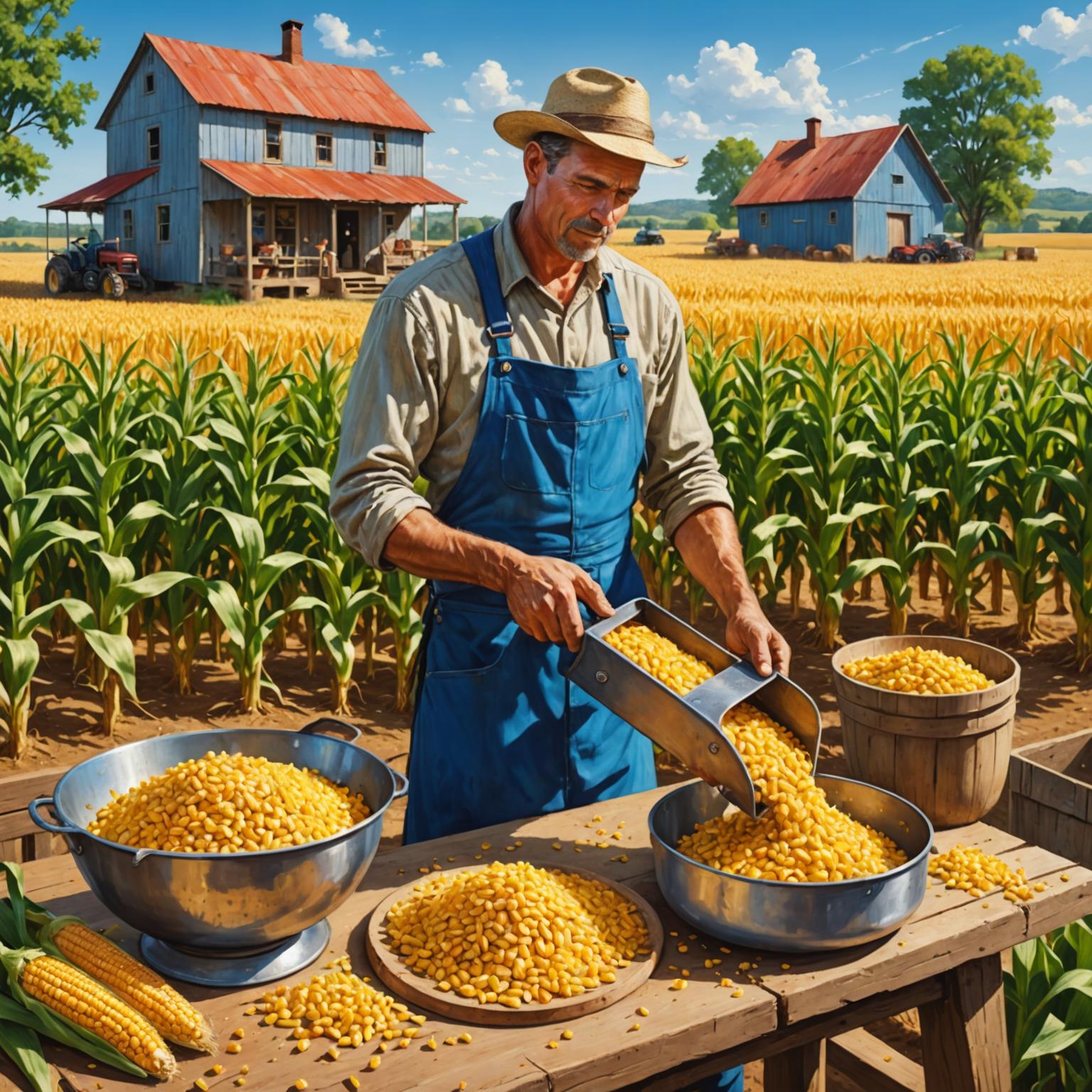
Revolutionary Agriculture: Corn Threshing Equipment
Corn threshing equipment is designed to separate kernels from cobs more efficiently than manual shelling. For farms, cooperatives, distributors, and agricultural equipment buyers, the value of a thresher is not only speed. A suitable machine should match the crop condition, labor availability, power source, maintenance skills, storage plans, and the commercial expectations of the buyer.
The original topic describes corn threshing machines as part of agricultural threshing equipment used to make separation easier and more precise. That is the core search intent: buyers want to understand what type of equipment to consider and how to evaluate suppliers without relying on vague claims. This guide focuses on practical selection and sourcing steps rather than promotional promises.
Key Takeaways
- Corn threshing equipment separates kernels from the cob and can reduce manual labor when correctly matched to farm scale.
- Before comparing suppliers, define crop moisture, daily working volume, power source, mobility needs, and cleaning expectations.
- Ask suppliers for written details on materials, spare parts, operating instructions, packing, warranty terms, and after-sales support.
- Do not assume capacity, certification, material grade, or compliance status unless the supplier provides clear documentation.
How Corn Threshing Equipment Works
A corn thresher typically feeds dried or semi-dried ears of corn into a chamber where mechanical action removes kernels from the cob. The separated grain exits through one outlet while cobs, husks, or larger residues are discharged separately. Depending on the model, the equipment may be manually fed, motor-driven, tractor-powered, or integrated into a larger post-harvest processing line.
For B2B buyers, the important point is not simply whether the machine can thresh corn. It is whether it can handle the type of maize used in the target market. Kernel size, cob diameter, moisture level, and the amount of husk remaining can influence performance. A model that works well for one region may need adjustment or a different configuration for another.
Common Buyer Requirements to Define First
Many sourcing problems begin before suppliers are contacted. If the buyer only asks for a “corn thresher price,” quotations may vary widely and become difficult to compare. Prepare a short requirement sheet before requesting offers.
- Crop condition: Is the corn fully dried, partially dried, or mixed with husks?
- Workload: What quantity needs to be processed per hour or per day?
- Power availability: Will the machine use electricity, gasoline, diesel, tractor PTO, or manual operation?
- Mobility: Does the equipment need wheels or a compact frame for movement between farms?
- Output quality: What level of kernel breakage, cob residue, or cleaning is acceptable?
- Operator skill: Will trained technicians operate it, or should the design be simple for seasonal labor?
Comparison Checklist for Sourcing
The table below can help importers, wholesalers, and farm equipment buyers compare quotations in a structured way. Request specific answers from each supplier and keep records for negotiation and quality review.
| Item to Compare | Why It Matters | Question to Ask the Supplier |
|---|---|---|
| Power source | Determines where and how the machine can be used | Which power options are available, and what input is required? |
| Rated output | Helps estimate labor savings and payback | What is the tested output under stated crop conditions? |
| Kernel damage rate | Affects resale value and seed or feed quality | Can you provide test data or a sample video using similar corn? |
| Wear parts | Controls downtime and maintenance cost | Which parts wear fastest, and are spare parts available for repeat orders? |
| Safety features | Reduces operator risk during feeding and maintenance | What guards, emergency controls, or user instructions are included? |
| Packing method | Important for export, storage, and inland transport | How is the machine packed, and what protection is used for transport? |
| Documentation | Supports installation, resale, and local service | Do you provide manuals, parts lists, and maintenance guidance in English? |
Supplier Questions That Reduce Risk
When sourcing from a factory, trading company, or OEM supplier, avoid relying on broad statements such as “high efficiency” or “durable quality.” Instead, ask for details that can be checked. Buyers should request photos of the actual production model, operation videos, sample inspection options, and written terms for spare parts and service.
If the order is for wholesale distribution, ask whether branding, color, packaging, instruction language, and replacement parts can be supported. If OEM customization is needed, clarify which changes are possible and which would require tooling, testing, or longer lead time. Do not assume minimum order quantity, delivery schedule, certification, or price stability; ask for current written confirmation.
Operation and Maintenance Considerations
Even a well-selected thresher needs proper use. Corn should usually be prepared according to the machine supplier’s instructions, especially regarding moisture level and the amount of husk left on the cob. Feeding too quickly can reduce separation quality or increase blockage. Operators should avoid placing hands near moving parts and should shut down the machine before clearing jams.
Maintenance planning is also a purchasing issue. Ask how often belts, screens, bearings, blades, or other wearing components should be inspected. Confirm whether standard local parts can be used or whether replacements must come from the supplier. For buyers serving rural users, simple maintenance and easy spare-part access may matter more than a complex design with features users cannot service.
Do Not Confuse Agricultural Equipment with Kitchen Tools
The previous source content also described a manual fruit and vegetable grater with a sun-yellow design, stainless steel grating surface, ergonomic handle, removable spout, transparent container with measuring marks, and compact storage format. Those details belong to a kitchen preparation tool, not to corn threshing equipment. This distinction matters for catalog accuracy and SEO quality.
If your product page is intended for agricultural buyers, keep the page focused on threshing, shelling, post-harvest handling, farm use, and supplier evaluation. If your product is actually a kitchen grater, use food-preparation keywords instead. Mixing the two product categories can confuse search engines and buyers, leading to lower-quality inquiries.
Practical FAQ
What is the difference between corn threshing and corn shelling?
In many markets the terms are used similarly for removing kernels from the cob. “Threshing” can also refer more broadly to separating grain from plant material. Buyers should confirm the exact function with the supplier.
Should I choose a small or large corn thresher?
Base the decision on actual daily workload, available power, transport needs, and operator skill. A larger machine may not be better if it is difficult to move, maintain, or feed safely.
What information should I request before ordering?
Ask for operating videos, written specifications, packing details, spare-part lists, maintenance instructions, warranty terms, and any documents required for your import or resale market.
Can corn threshing equipment be customized for wholesale or OEM orders?
It may be possible, but buyers should ask the supplier which changes are available, whether tooling is required, what lead time applies, and whether samples can be reviewed before bulk production.
How can I avoid low-quality equipment?
Compare more than price. Check the supplier’s ability to provide consistent documentation, spare parts, inspection access, after-sales guidance, and clear answers about performance under your crop conditions.
Final Sourcing Advice
Corn threshing equipment can improve post-harvest efficiency when it is selected for the right working environment. For B2B buyers, the best approach is to define requirements first, compare suppliers using the same checklist, and verify every important claim in writing. A careful sourcing process helps ensure the equipment is practical for real farm use rather than attractive only in a quotation.
