




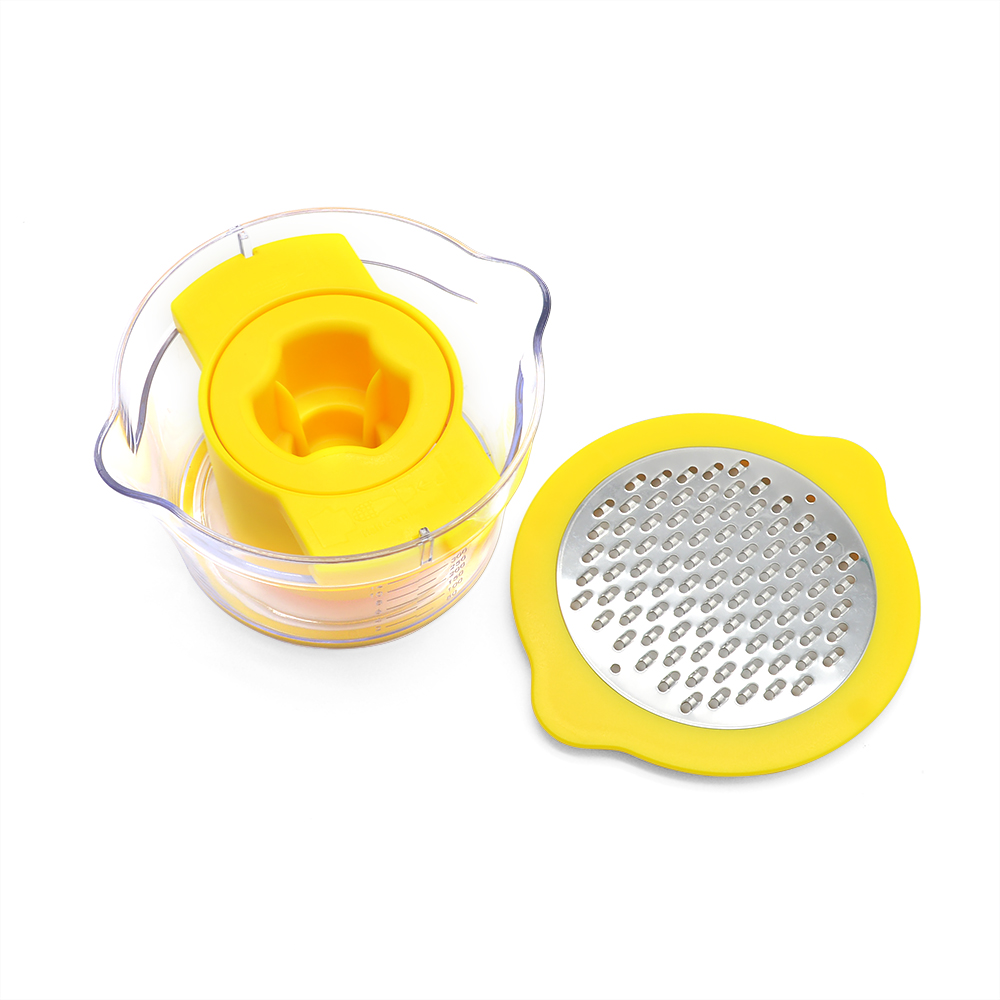
Corn Thresher Buying Guide for Efficient Post-Harvest Processing
Corn remains an essential crop in modern agriculture, and the work that happens after harvest can determine how quickly grain reaches storage, feed production, or the market. One of the most important post-harvest steps is threshing: separating corn kernels from the cob. A corn thresher, sometimes called a corn sheller, is designed to reduce manual labor, speed up processing, and help farms handle larger volumes with more consistent results.
This guide explains how corn threshers work, what to compare before buying, and which supplier questions matter for farms, distributors, and agricultural equipment buyers. It is not a specification sheet for one machine; instead, it is a practical sourcing framework for choosing the right equipment for your operation.
Key Takeaways
- A corn thresher separates kernels from cobs using a mechanical rubbing, rotating, or agitation action.
- Selection should be based on processing volume, power source, maintenance access, durability, grain handling, and budget.
- Small farms may only need a manual or compact machine, while commercial operations usually require powered equipment.
- Before ordering, buyers should ask suppliers for clear specifications, spare parts information, operating instructions, and after-sales support details.
What a Corn Thresher Does
A corn thresher is a mechanical device that removes kernels from the cob more quickly than hand shelling. The core mechanism commonly involves a rotating drum, cylinder, teeth, or agitators that rub against the cob and dislodge kernels. The kernels are then separated and collected, while the cob exits the machine through a different path or discharge area.
The basic purpose is simple, but the right machine depends on real operating conditions. A farmer processing a few sacks at a time has different needs from a buyer sourcing equipment for a cooperative, feed mill, or commercial grain handling site. Understanding these differences helps avoid underpowered equipment on one hand and unnecessary cost or complexity on the other.
Main Types of Corn Threshers
Corn threshers can vary widely in size, power method, and intended workload. The original distinctions are important: some units are small and manually operated, while others are larger powered machines designed for commercial operations.
| Type | Best suited for | Strengths | Questions to ask |
|---|---|---|---|
| Manual corn thresher | Small farms, household use, low-volume processing | Simple operation, no fuel or electricity required, easier to move | How much corn can it process per hour, and how much physical effort is required? |
| Electric corn thresher | Farms or workshops with stable power access | Consistent operation, suitable for repeated daily use where electricity is available | What voltage and power requirements apply in the destination market? |
| Fuel-powered corn thresher | Field use or areas without reliable electricity | More flexible in remote locations and larger farm settings | What engine type, fuel use, and maintenance schedule should buyers expect? |
| Commercial powered thresher | Cooperatives, processors, large farms, equipment dealers | Higher throughput potential and better fit for bulk handling | What capacity, spare parts support, and operator training are available? |
How to Match Capacity to Your Operation
Capacity is one of the first points to review. Buyers often ask, “How much corn can this machine process per hour?” That question is useful, but it should be followed by several more practical checks. Capacity can be affected by corn moisture, cob size, feeding speed, operator skill, and how continuously the machine can run without clogging or overheating.
For small farms, a simple manual corn thresher may be enough if processing happens occasionally and labor is available. For larger farms, an automated or powered corn thresher can reduce processing time and help move harvested corn into storage or sale channels faster. If you are sourcing for resale or distribution, request written capacity data from the supplier and ask what testing conditions were used to produce those numbers.
Power Source and Working Environment
The right power source depends on where the machine will be used. Manual units are useful where budgets are limited or power access is poor, but they are slower and require more labor. Electric machines can be convenient in fixed processing areas, but buyers must confirm local voltage, plug type, motor requirements, and power stability. Fuel-powered units may be more practical for field use or rural areas, although maintenance and fuel availability become part of the operating cost.
Before buying, map the working environment. Will the thresher operate indoors or outdoors? Will it be moved between fields? Is there enough space for feeding, discharge, and grain collection? Will the operator need wheels, handles, guards, or other handling features? Do not assume these details; confirm them with the supplier or distributor.
Grain Quality, Kernel Damage, and Cleaning
A good corn thresher should remove kernels efficiently while limiting unnecessary kernel breakage. Kernel damage can reduce usable grain quality, especially when the corn is intended for sale, storage, or further processing. The original article correctly notes that effective threshing can help preserve quality compared with rough or inefficient handling.
Ask suppliers how the machine handles different corn types and moisture levels. Request videos of the machine operating with corn similar to your own crop. If possible, test a sample batch before making a larger purchase. Buyers should also ask whether the machine separates cobs and kernels cleanly or whether additional screening, winnowing, or cleaning equipment may be needed after threshing.
Durability, Maintenance, and Spare Parts
Farm equipment is only useful when it can keep working through the season. Durability and maintenance access should be evaluated carefully, especially for buyers sourcing equipment for remote regions. Look at the parts most likely to wear: drums, teeth, belts, bearings, screens, fasteners, and drive components. Ask whether those parts are standard, locally replaceable, or only available from the original supplier.
A practical pre-purchase checklist includes:
- Request the machine manual, maintenance schedule, and recommended spare parts list.
- Ask which parts are consumable and how often they may need replacement under normal use.
- Confirm whether tools are required for cleaning, adjustment, or common repairs.
- Ask for packaging details if the machine will be shipped long distances.
- Clarify warranty terms, response time, and what support is available after delivery.
Sourcing Questions for Farms, Dealers, and OEM Buyers
When the purchase involves a factory, supplier, OEM arrangement, or wholesale order, sourcing discipline is as important as machine selection. Avoid relying only on photos or broad claims. Instead, ask targeted questions and request written confirmation.
- What models are available, and what are the exact capacity, power, size, and weight specifications?
- Can the supplier provide operating videos, inspection photos, or sample testing with similar corn?
- What customization options exist, and which changes affect delivery time or cost?
- What is the minimum order quantity, if any?
- What packaging, labeling, and documentation are included for export or wholesale orders?
- Which spare parts can be purchased with the first order?
- What safety instructions and operator guidance are provided?
Do not assume certifications, testing results, production capacity, or compliance details unless the supplier provides documents relevant to your market. For regulated destinations, buyers should consult local import, safety, and electrical requirements before finalizing an order.
Cost, Value, and Long-Term Productivity
The lowest purchase price is not always the lowest total cost. A cheap machine that clogs, breaks, damages kernels, or lacks spare parts can become expensive during harvest season. Compare the purchase price against expected labor savings, processing speed, downtime risk, and maintenance availability.
Efficient corn threshing can reduce manual effort and shorten processing time. It can also help farmers handle larger volumes and move grain toward market or storage faster. For agricultural businesses, the main value is not only the machine itself but the reliability of the whole system: suitable capacity, trained operators, spare parts, and clear supplier support.
Practical FAQ
What is the difference between a corn thresher and hand shelling?
Hand shelling uses manual labor to remove kernels from the cob. A corn thresher uses mechanical rubbing, rotation, or agitation to separate kernels more quickly and with less physical effort.
Which corn thresher is best for a small farm?
A manual or compact powered model may be enough for small farms. The best choice depends on how much corn you process, how often you use the machine, and whether electricity or fuel is available.
How do I know if the stated capacity is realistic?
Ask the supplier what corn condition, moisture level, feeding method, and test duration were used. If possible, request a video or sample test using corn similar to your own crop.
Can a corn thresher damage kernels?
Any threshing method can cause damage if the machine is poorly adjusted, overloaded, or unsuitable for the corn condition. Ask about adjustment options and test the output quality before bulk purchasing.
What should wholesale buyers confirm before placing an order?
Confirm specifications, power requirements, packaging, spare parts, manuals, warranty terms, lead time, and any market-specific compliance documents required in the destination country.
