




Ice Tray Manufacturing with Silicone Trays: A Practical Sourcing Guide
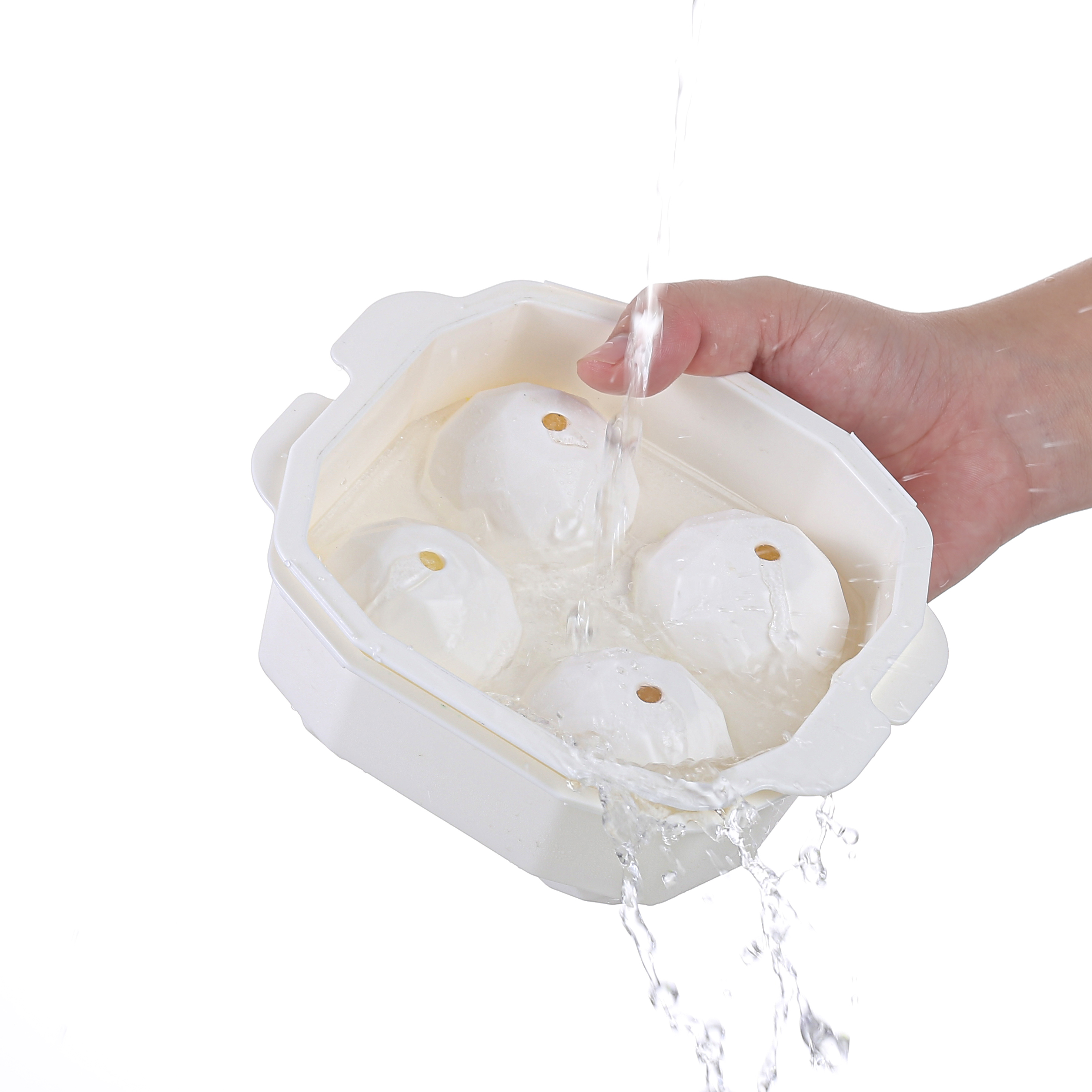
Ice tray manufacturing has moved beyond basic cube molds. Retailers, distributors, hospitality buyers, and kitchenware brands now evaluate ice trays by usability, release performance, cleaning convenience, packaging, and long-term product consistency. Silicone ice trays are a common option because the material is flexible and can help users release ice without twisting a rigid tray or striking it against a counter. Products such as an ice ball maker also show how the category has expanded from everyday household ice cubes to beverage-focused formats.
For B2B buyers, the key question is not simply whether a tray looks attractive. The sourcing process should confirm whether the supplier can produce consistent goods, explain material options clearly, support the required packaging format, and provide documentation relevant to the destination market. This guide explains how to evaluate silicone ice tray manufacturing and how to ask better questions before placing a wholesale, OEM, or private-label order.
How Silicone Changed Ice Tray Manufacturing
Traditional ice trays were often made from rigid plastic or metal. These formats can still serve many applications, but silicone has become popular because of its flexibility and ease of use. A flexible tray can make it easier to remove cubes, spheres, or specialty shapes. This is especially useful for households, bars, cafés, and gift-oriented kitchenware lines where user experience affects repeat purchasing.
Silicone also allows manufacturers to create a wider variety of cavities and shapes. Ice ball makers, large cube trays, mini cube trays, and lidded tray concepts are examples of designs commonly considered by buyers. However, a buyer should not assume every silicone tray performs the same. Wall thickness, cavity geometry, lid fit, mold precision, odor control, packaging, and quality inspection all influence the final customer experience.
Common Ice Tray Product Formats
Before contacting an ice cube trays supplier, clarify the product type and the intended retail channel. A low-cost household tray, a premium beverage ice mold, and a promotional private-label item may need different design priorities.
- Standard cube trays: Used for everyday home and office applications.
- Large cube trays: Often selected for cocktails and slow-melting drink presentation.
- Ice ball makers: Designed to create spherical ice for beverages.
- Mini cube trays: Useful for bottles, compact freezers, or blended drinks.
- Trays with lids: Can help stacking and may reduce exposure to freezer odors, depending on design.
- Novelty shapes: Often used for seasonal, promotional, or gift-focused products.
Each format has trade-offs. Larger ice shapes may look better in drinks, but they require more freezer space and longer freezing time. Small cubes freeze faster but melt quickly. Lids can improve stacking, but buyers should check whether the lid seals well, fits consistently, and is easy to remove when frozen.
Comparison Checklist for Buyers
The table below can help sourcing teams compare suppliers and product proposals without relying only on photos or price quotes.
| Evaluation Area | What to Check | Questions to Ask the Supplier |
|---|---|---|
| Material | Silicone type, color options, odor control, intended food-contact use | What material is used, and what documentation can be provided for the target market? |
| Design | Cube or sphere size, cavity depth, flexibility, lid fit, stacking | Can you provide drawings, samples, or existing mold dimensions before production? |
| Release performance | How easily frozen ice releases from the tray | Can samples be tested after freezing with water under normal household conditions? |
| Cleaning | Ease of washing, corners, surface finish, odor retention | What care instructions do you recommend for end users? |
| Packaging | Retail box, label, barcode area, private-label options | Which packaging formats are available, and what information must buyers provide? |
| Quality control | Visual checks, dimension checks, packaging checks | What inspection steps are used before shipment, and can buyers define acceptance criteria? |
Supplier Evaluation for Wholesale and OEM Orders
Ice cube trays suppliers are important because they connect product design, manufacturing, packaging, and export preparation. When evaluating a supplier, ask for specific information rather than broad claims. If a supplier describes a tray as suitable for food use, request the relevant documentation and confirm whether it applies to the market where the product will be sold. Do not assume that a certificate, test report, or declaration covers every country or every product variation.
For OEM or private-label projects, buyers should also discuss tooling. If the supplier offers existing molds, the project may be faster and simpler. If a custom mold is needed, ask about mold ownership, design review, sampling stages, revision limits, lead time, and maintenance responsibility. These details should be confirmed before any deposit is paid.
- Request product photos, drawings, or sample dimensions.
- Test samples in a real freezer and evaluate release, odor, and lid fit.
- Confirm packaging artwork requirements and label information.
- Define inspection standards for color, size, flash, defects, and packaging damage.
- Clarify payment terms, production timeline, and shipment responsibilities in writing.
Design Details That Affect User Experience
Small design choices can determine whether consumers keep using an ice tray. A tray that is too floppy may spill water on the way to the freezer. A tray that is too stiff may not release ice as expected. Cavities with sharp internal corners may be harder to clean or may trap ice. If the product includes a lid, buyers should test whether it stays in place when the tray is filled and moved.
For an ice ball maker, alignment is especially important. If the upper and lower sections do not fit well, the ice sphere may form with uneven seams or leakage. Buyers should review the sample after repeated freezing cycles and check whether the product still closes properly. If the product is intended for bars or hospitality channels, consider how staff will fill, stack, clean, and store multiple trays during daily service.
Sustainability and Durability Considerations
The original appeal of silicone ice trays includes reusability and resistance to cracking compared with some rigid alternatives. Still, sustainability claims should be used carefully. Buyers should avoid broad environmental statements unless they have documentation to support them. More practical questions include whether the product is durable enough for repeated use, whether packaging can be reduced, and whether the supplier can support packaging materials requested by the buyer.
Durability is also linked to design. Thin walls may reduce material use but can affect stability or lifespan. Thick walls may feel stronger but can increase cost and weight. The right balance depends on the target customer, retail price point, and expected use case.
Key Takeaways
- Silicone ice trays are valued for flexibility, easy ice release, and design variety.
- B2B buyers should test samples before confirming wholesale or OEM orders.
- Do not rely on generic claims; request documentation relevant to the target market.
- Design details such as lid fit, cavity shape, and tray stiffness affect user satisfaction.
- Clear inspection standards help reduce disputes during production and shipment.
Practical FAQ
What should I ask an ice tray manufacturer first?
Start with the product format, existing mold options, sample availability, material information, packaging choices, and documentation for your sales market. These answers help determine whether the supplier is suitable before discussing large orders.
Are silicone ice trays better than plastic trays?
Silicone trays are often easier to flex, which can help with ice release. Plastic trays may be more rigid and can be cost-effective for some uses. The better choice depends on the target customer, design, price point, and performance expectations.
Can I order custom shapes for private label?
Many suppliers may offer custom designs, but buyers should ask whether a new mold is required, who owns the mold, what the sampling process includes, and how revisions are handled.
How do I check sample quality?
Fill the tray with water, freeze it, remove the ice, wash the tray, and repeat the process several times. Check odor, flexibility, lid fit, leakage, surface finish, and whether the final ice shape matches expectations.
What information should be confirmed before production?
Confirm product dimensions, color, packaging, artwork, labeling, inspection criteria, documentation, order quantity, lead time, payment terms, and shipping responsibilities in writing.
