




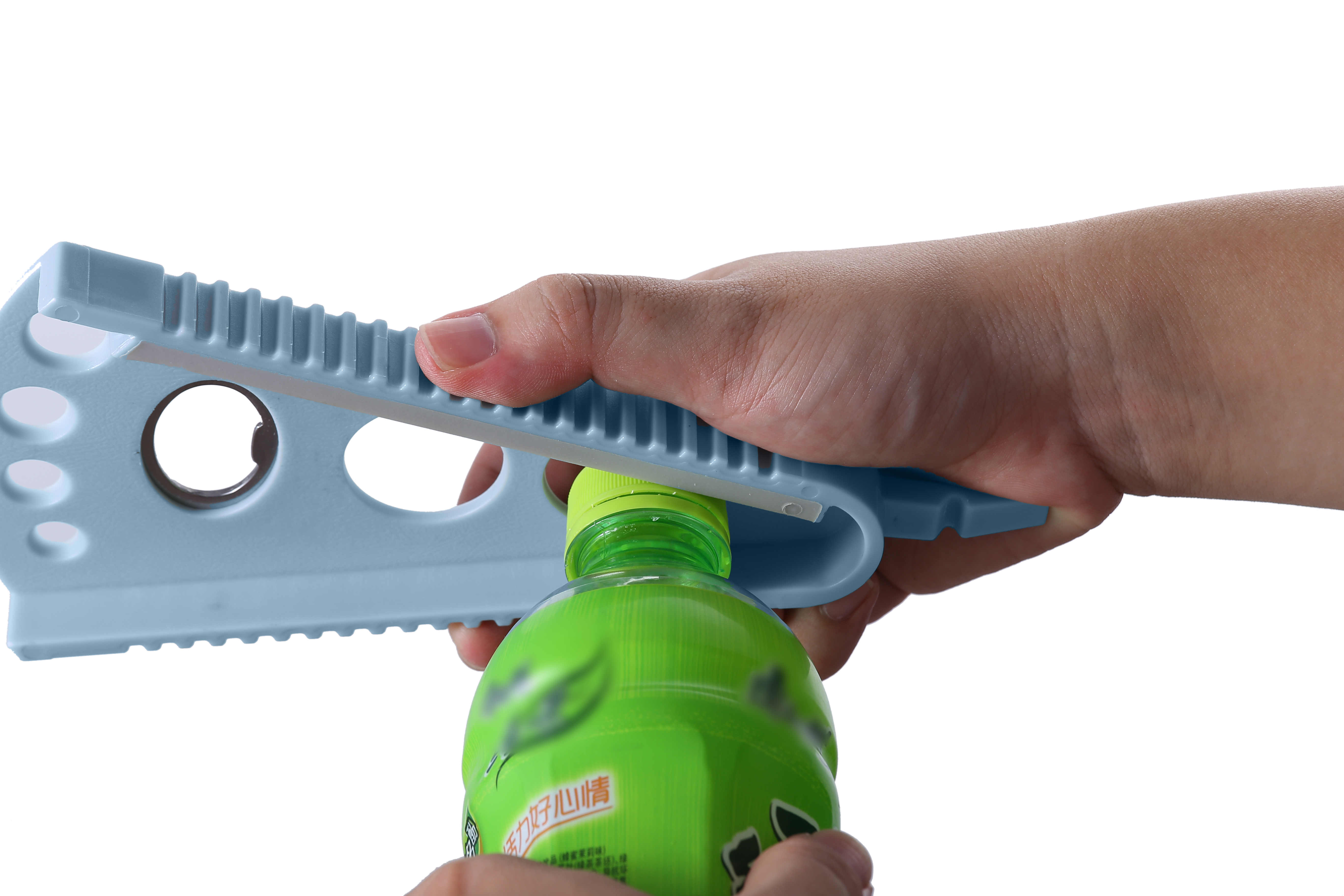
Can Opener Factory Insights: How to Evaluate Manufacturing Partners
A can opener may look like a simple kitchen tool, but sourcing it well requires careful factory evaluation. Buyers need to understand how manual and automatic can openers are produced, what quality controls matter, and which commercial questions should be answered before placing an order. The right can opener factory should be able to explain its production process clearly, support consistent assembly, and help buyers match product design to the intended retail, wholesale, or private-label market.
This guide focuses on practical B2B sourcing considerations. It does not assume that every supplier offers the same materials, capacity, certifications, customization options, or testing procedures. Instead, it outlines what importers, distributors, brand owners, and wholesale buyers should verify when comparing factories.
Key Takeaways
- Manual and automatic can opener manufacturing involve different production steps, components, inspection points, and after-sales considerations.
- Buyers should ask for documented quality control procedures instead of relying only on product photos or catalog descriptions.
- Customization can include handle design, color, packaging, branding, and instructions, but actual options depend on the supplier.
- Commercial details such as MOQ, lead time, sample cost, payment terms, and compliance documents should be confirmed in writing.
- A reliable sourcing decision should consider durability, usability, packaging strength, and consistency across repeat orders.
What a Can Opener Factory Typically Does
A can opener factory is a specialized production site for kitchen tools designed to open food cans safely and efficiently. Depending on the supplier, production may include component sourcing, metal forming, plastic or handle preparation, gear assembly, blade installation, surface finishing, packaging, and final inspection. Some factories may focus on manual can opener production, while others may offer automatic can opener manufacturing or a mix of both.
The original article correctly noted that factories play a key role in producing essential kitchen tools for global demand and that modern machinery can support more efficient operations. For buyers, the important point is not simply whether a factory uses automation, but whether its process creates repeatable quality. Ask how incoming materials are checked, how assembly errors are prevented, and how finished products are tested before shipment.
Manual Can Opener Production: What Buyers Should Check
Manual can openers remain common because they are affordable, compact, and suitable for everyday household, hospitality, and retail channels. Production may involve multiple parts such as handles, turning knobs, cutting wheels, rivets, gears, and grip components. Assembly may be partly manual, partly machine-assisted, or both.
When evaluating a manual can opener supplier, pay close attention to the user experience. A product that looks acceptable in a photo may feel stiff, slip during use, or become uncomfortable after repeated operation. Request samples and test them on different can sizes where relevant to your market. Check whether the cutting mechanism moves smoothly, whether the handle is comfortable, and whether the opener leaves sharp or irregular edges.
Useful supplier questions include: What materials are used for the cutting wheel, handle, and body? How is blade sharpness or cutting performance inspected? Are there options for different handle colors or packaging? What defects are most common, and how does the factory control them? These questions help move the conversation from generic claims to practical production evidence.
Automatic Can Opener Manufacturing Considerations
Automatic can opener manufacturing can involve more complex assembly than manual models. In addition to cutting components, automatic designs may include housings, motors, switches, gears, battery compartments, power connections, sensors, or other operating parts depending on the model. The original article mentioned automated assembly lines, robotics, and sensors as examples of modern production methods; buyers should verify which technologies a specific factory actually uses.
For automatic models, quality control should address both mechanical and operational performance. Ask how the supplier tests activation, cutting stability, motor function, battery contact, and product safety during normal use. If the product is intended for a regulated market, ask what compliance documentation is available and whether it applies to the exact model being quoted. Do not assume that a factory has a certificate or test report unless it can provide current documentation for your order requirements.
Comparison Checklist for Factory Evaluation
The following table can help buyers compare manual and automatic can opener sourcing factors during supplier review.
| Evaluation Area | Manual Can Opener | Automatic Can Opener | Questions to Ask the Factory |
|---|---|---|---|
| Core components | Cutting wheel, gears, handle, knob, rivets | Cutting parts plus housing, motor, switches, power parts | Which components are made in-house and which are sourced? |
| Quality focus | Smooth turning, blade alignment, grip comfort | Operating reliability, motor function, cutting consistency | What inspection steps are performed before packing? |
| Customization | Color, handle style, logo, retail packaging may be possible | Housing color, packaging, instructions, branding may be possible | What customization options are available for this model? |
| Testing needs | Repeated opening trials, visual inspection, fit checks | Function tests, power checks, repeated operation trials | Can the factory share its test method or inspection standard? |
| Buyer risk | Loose parts, poor cutting, uncomfortable use | Electrical or mechanical failure, inconsistent activation | How are defects handled before and after shipment? |
Quality Control Points That Matter
For kitchen tool sourcing, quality control should be practical and measurable. Buyers should request pre-production samples and compare them with mass-production samples before approving shipment. A can opener factory should be able to define acceptable tolerances for appearance, assembly, packaging, and function, even if those tolerances differ by product level.
Inspection points may include product appearance, moving-part alignment, cutting performance, handle comfort, package labeling, carton strength, and quantity verification. For automatic models, additional checks may include start-stop function, power connection, noise level, and repeated operation. If third-party inspection is required, confirm whether the supplier can support it and at what stage it should occur.
Customization, Packaging, and Private Label Questions
Many B2B buyers source can openers for retail shelves, e-commerce kits, supermarket programs, promotional channels, or hospitality supply. In these cases, packaging can be as important as the product itself. Poor packaging can lead to scratches, deformation, missing instructions, or damage during transport.
Before confirming an order, ask whether the factory supports private label packaging, barcode placement, instruction sheets, multilingual packaging, color box design, blister card options, or master carton marks. Also ask who is responsible for artwork checking and whether a packaging sample can be approved before mass production. If branding is required, confirm logo method, placement, durability expectations, and any setup requirements.
Commercial Due Diligence Before Ordering
Do not base sourcing decisions only on unit price. A low price can become expensive if the product fails inspection, arrives with weak packaging, or does not match the approved sample. Buyers should collect complete commercial information before committing.
- Request current product photos, specifications, and available sample options.
- Ask for MOQ, lead time, payment terms, packaging details, and carton information.
- Confirm whether the quoted product is a standard model or a customized version.
- Clarify responsibility for artwork, samples, inspection, shipping documents, and defect handling.
- Ask what documents or compliance reports are available for the target market, if required.
Good suppliers usually welcome clear questions because they reduce misunderstanding. If a factory avoids providing basic production, packaging, or quality information, buyers should proceed carefully or compare alternative suppliers.
FAQ
What is the difference between a can opener factory and a trading company?
A factory usually manufactures or assembles products directly, while a trading company sources from one or more factories. Either can be useful, but buyers should ask who controls production, inspection, customization, and after-sales communication.
Should buyers choose manual or automatic can openers?
It depends on the target market. Manual can openers are often compact and cost-conscious, while automatic can openers may suit users seeking easier operation. Buyers should test samples and consider price point, packaging, and support requirements.
What information should be confirmed before placing a bulk order?
Confirm product materials, dimensions, packaging, MOQ, lead time, payment terms, inspection process, sample approval procedure, and any required compliance documents. Get key details in writing.
Can a factory customize can openers for private label orders?
Some suppliers may offer color, logo, handle, packaging, or instruction customization. Actual options depend on the model and order requirements, so buyers should ask for available choices, costs, and sample timing.
How can buyers reduce sourcing risk?
Order samples, define an approved sample standard, request inspection criteria, check packaging carefully, and consider pre-shipment inspection. Clear specifications reduce disputes and improve consistency across repeat orders.
