




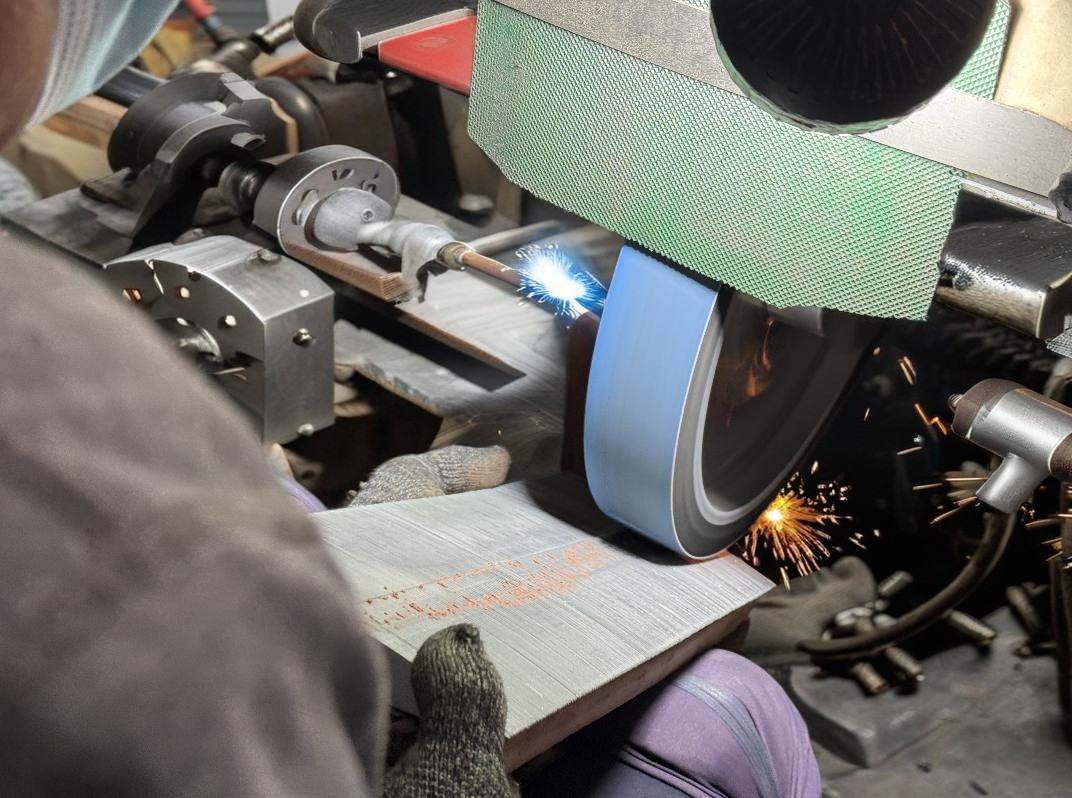
Sand Grinding Equipment: A Practical Guide to the DiamondEdge Grinding Series
Sand grinding plays an important role in surface preparation, burr removal, shaping, and finishing across metalworking and industrial production. The original Bonet Houseware article introduced the DiamondEdge Grinding Series as equipment intended for precision surface finishing, with an abrasive grinding wheel described as matrix-bonded diamond material and a blue heat-resistant coating. For buyers, engineers, and procurement teams, the more useful question is not whether a tool sounds advanced, but whether it fits the material, process, safety requirements, and commercial expectations of the job.
This guide rewrites the topic as a practical evaluation resource. It explains what to check when considering the DiamondEdge Grinding Series or comparable sand grinding equipment, especially for B2B sourcing, OEM discussions, and workshop or factory procurement.
Key Takeaways
- Match sand grinding equipment to the workpiece material, removal rate, finish requirement, and operating environment.
- The DiamondEdge description mentions a matrix-bonded diamond abrasive wheel and blue heat-resistant coating; buyers should request written specifications before purchasing.
- Do not rely only on marketing terms such as precision or durability. Ask for compatible materials, speed limits, use conditions, and maintenance guidance.
- Safety features, operator training, dust control, and protective gear should be reviewed before production use.
What Sand Grinding Is Used For
Sand grinding is a broad term often used for abrasive material removal and surface finishing. In industrial settings, it may be used to smooth edges, remove burrs, refine weld areas, prepare surfaces for coating, or create a more uniform finish before assembly. The source article specifically mentions applications involving carbon steel and stainless steel, as well as rough shaping and fine finishing.
Because grinding conditions vary widely, the right equipment depends on the job. A tool used for aggressive stock removal may not be suitable for delicate finishing. Similarly, a grinding wheel that performs well on one material can cause heat damage, loading, or uneven results on another. Before selecting any grinding series, buyers should define the operation clearly: material type, part geometry, target finish, production volume, and whether grinding is wet, dry, manual, or fixture-assisted.
Understanding the DiamondEdge Grinding Series Claims
The DiamondEdge Grinding Series was presented as precision sand grinding equipment for professional use. The original description identifies several features: an abrasive grinding wheel constructed from matrix-bonded diamond material, a blue heat-resistant coating, an anti-slip work surface, and virtually vibration-free operation. These points are useful starting points, but procurement teams should treat them as items to verify rather than assumptions.
For example, a diamond abrasive can be valuable in certain grinding tasks, but buyers should ask which materials it is recommended for, whether it is intended for carbon steel, stainless steel, or other substrates, and what operating speeds are allowed. A heat-resistant coating may help reduce deformation under demanding use, but the supplier should be able to explain the recommended pressure, temperature limits, and whether the coating is intended for dry sanding, wet use, or both.
Comparison and Selection Checklist
Use the checklist below when comparing the DiamondEdge Grinding Series with other sand grinding equipment. It focuses on practical purchase criteria rather than promotional language.
| Selection factor | Why it matters | Questions to ask the supplier |
|---|---|---|
| Workpiece material | Compatibility affects finish quality, wheel life, and heat generation. | Is the wheel recommended for carbon steel, stainless steel, or other materials? Are there exclusions? |
| Abrasive construction | The original article mentions matrix-bonded diamond material. | What is the abrasive type, bonding method, grit range, and intended application? |
| Heat management | Dry sanding and high pressure can create heat and affect results. | What operating limits apply to the blue heat-resistant coating? Is cooling required? |
| Finish requirement | Rough shaping and fine finishing require different abrasive behavior. | Which wheel or setup is recommended for coarse removal versus final finishing? |
| Operator safety | Grinding can create sparks, dust, noise, and vibration. | What PPE, guards, dust extraction, and safe operating procedures are recommended? |
| Commercial terms | B2B buyers need predictable supply and documentation. | What are the MOQ, lead time, packaging options, warranty terms, and after-sales support? |
Surface Finish, Heat, and Material Removal
Good grinding is a balance between removal rate and surface integrity. Pressing harder may remove material faster, but it can also increase heat, reduce control, and damage the workpiece. The original article states that the DiamondEdge abrasive design is intended for precise material removal without compromising the workpiece’s integrity. To assess that in practice, buyers should request sample testing or documented use recommendations.
For carbon steel and stainless steel, heat control is especially important. Stainless steel can discolor or work-harden if grinding conditions are poor. Carbon steel may tolerate more aggressive removal, but burr formation and surface scratches still need control. Ask whether the supplier recommends specific feed pressure, passes, wheel speed, cooling method, or cleaning procedure after grinding.
Safety and Operator Handling
The source article mentions an anti-slip work surface and protective gear considerations. These points should be part of a broader safety review. Grinding operations may involve airborne particles, sparks, abrasive fragments, sharp edges, and noise. Operators should use appropriate eye protection, hand protection, respiratory protection where dust is present, and hearing protection when required by the work environment.
Vibration is another important factor. The original text describes the operation as virtually vibration-free, but buyers should ask how vibration is measured, whether the claim depends on a specific machine setup, and what maintenance is needed to keep the equipment balanced. Even small vibration issues can affect finish consistency and operator fatigue during extended tasks.
B2B Sourcing Questions for Factories and Suppliers
When sourcing sand grinding equipment for a workshop, factory, or OEM project, a structured supplier discussion helps avoid mismatched expectations. Avoid accepting broad claims without documentation. Instead, prepare a sourcing checklist before requesting a quotation.
- Confirm the exact model name, wheel size options, compatible machines, and recommended operating speed.
- Ask whether the equipment is intended for manual use, automated production, or both.
- Request written use instructions for carbon steel, stainless steel, and any other target materials.
- Clarify packaging, private label or OEM options if needed, and whether replacement wheels are available.
- Ask about lead time, minimum order quantity, payment terms, sample availability, and return or warranty conditions.
- Request any available safety documentation, maintenance instructions, and product data sheets.
If certifications, test reports, or compliance documents are important for your market, ask the supplier directly and review current documents. Do not assume that a grinding product meets a specific standard unless the supplier provides evidence.
Care, Maintenance, and Use Tips
Consistent sand grinding results depend not only on equipment selection but also on correct use. Inspect the grinding wheel before operation and do not use damaged or visibly deformed abrasives. Keep the work area clean, secure the workpiece, and avoid excessive side pressure unless the product instructions permit it. If the wheel loads with material, stop and follow the recommended cleaning or dressing procedure.
For dry sanding, monitor heat and dust carefully. For any wet or cooled process, confirm that the wheel and machine are suitable for that method. Store grinding components in a dry, stable area away from impacts, contamination, and extreme conditions. Maintenance records can also help identify whether finish issues are caused by equipment wear, operator technique, or changes in the workpiece material.
FAQ
What is the DiamondEdge Grinding Series used for?
Based on the original article, it is positioned for sand grinding tasks such as rough shaping, fine finishing, burr removal, and surface finishing on materials including carbon steel and stainless steel. Buyers should confirm exact applications with the supplier.
Is the abrasive wheel made from diamond material?
The source article describes the abrasive grinding wheel as matrix-bonded diamond material. Before purchasing, ask for a technical data sheet that confirms abrasive type, bonding method, grit options, and compatible materials.
Can it be used for dry sanding?
The original text mentions dry sanding and a blue heat-resistant coating. However, dry grinding creates heat and dust, so users should request operating limits, PPE guidance, and dust control recommendations from the supplier.
What should B2B buyers verify before ordering?
Verify model specifications, material compatibility, wheel dimensions, machine compatibility, safe speed range, packaging, MOQ, lead time, replacement parts, warranty terms, and any required documentation for your market.
How can I compare this product with other grinding tools?
Compare the abrasive construction, supported materials, finish capability, heat behavior, safety guidance, maintenance needs, supplier responsiveness, and total cost of use rather than relying only on headline claims.
