




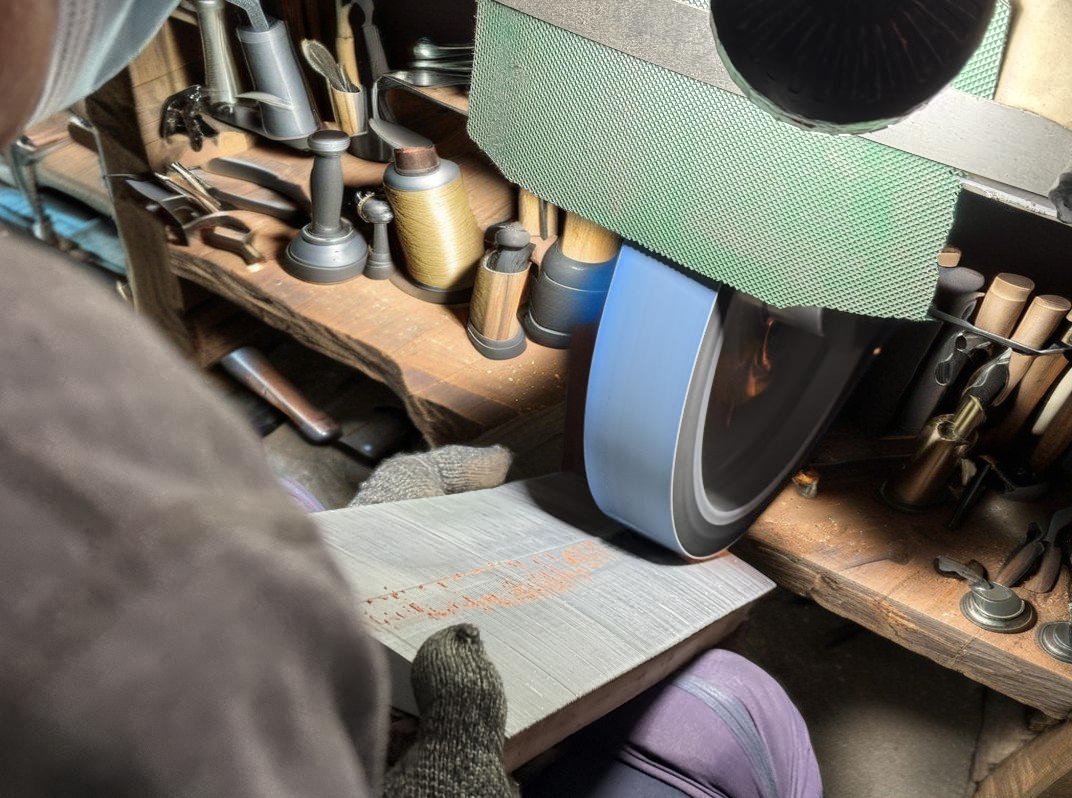
Revolutionizing Sand Grinding: Advanced Belt Grinder
Sand grinding is a common surface finishing process used to remove material, refine edges, prepare surfaces, and create a more consistent finish before later production steps. In workshops and industrial environments, a belt grinder system is often chosen because it can deliver controlled abrasion over a predictable contact area. The original discussion described an advanced industrial belt grinder system using an abrasive belt for uniform material removal, with dry sanding valued for faster setup and reduced mess compared with wet methods. Those points remain useful, but buyers also need a clearer framework for selecting equipment, managing safety, and discussing requirements with a supplier.
This guide explains how to evaluate sand grinding equipment for B2B sourcing, without assuming specifications that have not been confirmed. Whether the application is metal fabrication, blade work, general manufacturing, or maintenance, the best choice depends on the material, target finish, operator skill level, consumable cost, dust control plan, and after-sales support.
Key Takeaways
- Sand grinding quality depends on the grinder, abrasive belt, operator control, workholding, and dust management.
- Dry sanding offers fast setup and immediate visibility, but it requires serious attention to dust, sparks, heat, and PPE.
- Do not rely on product claims alone; ask suppliers for confirmed specifications, recommended applications, and maintenance guidance.
- For industrial purchasing, evaluate total operating cost, not only the machine price.
What a Belt Grinder Does in Sand Grinding
A belt grinder uses a moving abrasive belt to remove small amounts of material from a workpiece. Depending on belt grit, pressure, speed, and contact wheel or platen design, it may be used for rough shaping, deburring, blending, polishing preparation, or edge refinement. The source article highlights the value of uniform material removal, which is one reason belt grinding is widely used in surface finishing workflows.
However, the phrase “advanced belt grinder” should be validated through measurable details. A buyer should ask what makes the system advanced: is it the motor control, belt tracking, wheel configuration, heat management, dust collection compatibility, ergonomic design, or safety guarding? Without confirmed specifications, these remain questions rather than guaranteed features.
Dry Sanding: Benefits and Trade-Offs
Dry sanding is often preferred when teams want a simple setup, fast inspection, and less liquid cleanup. Because there is no coolant or slurry, the operator can usually see the removal pattern more quickly and adjust pressure, angle, or belt grit. The original article correctly notes that dry sanding can reduce mess and shorten preparation time.
The trade-off is that dry grinding can create airborne dust, sparks, noise, and heat. A supplier should be able to explain what dust extraction, guarding, and PPE are recommended for the intended material. Operators should never assume that one grinder setup is safe for every alloy, coating, composite, or hardened surface. If the work involves unknown coatings or materials, confirm hazards before grinding.
Comparison Table: Dry Sanding vs. Wet Sanding
| Factor | Dry Sanding with Belt Grinder | Wet Sanding or Coolant-Assisted Finishing |
|---|---|---|
| Setup time | Usually faster, with fewer liquids to prepare | May require coolant, tanks, pumps, or cleanup planning |
| Visibility | Work surface is easier to inspect immediately | Fluid can obscure the surface until wiped clean |
| Dust and debris | Requires dust control and housekeeping | Can reduce airborne dust but creates slurry or wastewater |
| Heat control | Depends on belt choice, pressure, speed, and dwell time | Fluid may help manage temperature in some applications |
| Best fit | Fast material checks, general grinding, deburring, dry workshops | Applications where coolant is required or specified |
How to Select a Belt Grinder System
For industrial sourcing, selection should begin with the workpiece, not the machine. A grinder that performs well on one material may be inefficient or unsafe on another. Before contacting suppliers, document the material type, part size range, target surface finish, production volume, operator environment, and available electrical supply. If your team requires a specific surface roughness, edge geometry, or repeatability level, state that requirement in measurable terms.
- Define the application. Is the process rough grinding, deburring, polishing preparation, weld blending, or sharpening?
- Confirm belt compatibility. Ask which abrasive belt sizes, grits, backing types, and materials are supported.
- Review speed control. Variable speed may be important, but confirm actual ranges and suitability for your material.
- Assess workholding. Ask whether fixtures, tool rests, or platens are available for consistent results.
- Check maintenance access. Belt changes, tracking adjustment, wheel replacement, and cleaning should be practical for operators.
Safety, Ergonomics, and Operator Training
The original article mentioned gloves and face coverings as protective measures. In practice, safety planning should be more detailed and aligned with the task, local rules, and the material being processed. Eye and face protection, hearing protection, respiratory protection, suitable clothing, spark management, and emergency stop access may all be relevant. Glove use should be assessed carefully because rotating equipment can present entanglement hazards; follow the machine manufacturer’s instructions and site safety policy.
Ergonomics also affect quality. If the operator must fight poor belt tracking, awkward hand positions, vibration, or limited visibility, the finished surface will be less consistent. When possible, review videos, manuals, or demonstrations showing belt changes, tracking adjustment, and typical grinding posture. For repeated production, ask whether the supplier offers fixture recommendations or training resources.
Questions to Ask a Supplier Before Buying
Because the original content does not provide verified specifications such as motor power, belt size, certifications, capacity, price, or warranty terms, buyers should request those details directly. A serious supplier should answer application questions clearly and avoid vague claims.
- What materials and applications is this belt grinder recommended for?
- What belt dimensions, abrasive types, and grit ranges are compatible?
- What are the confirmed motor, voltage, speed, and duty cycle details?
- What guarding, dust extraction, and spark control options are available?
- Are spare parts such as wheels, bearings, platens, and belts readily available?
- What installation, training, maintenance, and troubleshooting support is offered?
- Can the supplier provide documentation, inspection records, or compliance information if required by your market?
Workflow Tips for Better Surface Finishing
Good sand grinding results come from process discipline. Start with a grit that removes defects efficiently without creating deeper scratches than necessary. Progress through grit steps gradually rather than jumping too far. Use even pressure and avoid staying in one spot too long, which can increase heat and create an uneven finish. Clean the workpiece between grit changes so coarse particles do not contaminate finer steps.
For production environments, record the belt type, grit sequence, pressure guidance, pass count, and inspection criteria. This helps reduce variation between operators and shifts. If defects remain after grinding, determine whether the cause is belt wear, incorrect grit, unstable workholding, poor tracking, contamination, or an unsuitable machine setup.
Practical FAQ
Is a belt grinder the same as a sander?
The terms are sometimes used loosely. A belt grinder is generally associated with more aggressive material removal and industrial finishing, while a belt sander may refer to lighter woodworking or surface preparation tools. Always compare actual specifications and intended use.
Can dry sanding be used on every material?
No. Material properties, coatings, dust hazards, heat sensitivity, and spark risk must be evaluated. Ask the supplier and your safety team before processing unfamiliar materials.
How do I choose the right abrasive belt?
Match the abrasive type, backing, grit, and belt size to the material and finish target. Request supplier recommendations and test on sample parts before scaling production.
What should industrial buyers prioritize?
Prioritize application fit, operator safety, confirmed specifications, consumable availability, maintenance access, and support. The lowest purchase price may not deliver the lowest total cost.
How can I reduce inconsistent grinding results?
Standardize grit sequence, operator technique, workholding, belt replacement intervals, and inspection criteria. Consistency improves when the process is documented and repeatable.
