




Safe Stationery Scissors OEM: A Practical Sourcing Guide
Safe stationery scissors are everyday products, but sourcing them well requires more than choosing a handle color and placing a logo. Schools, office retailers, promotional distributors and stationery brands all need scissors that feel comfortable, cut reliably and reduce avoidable risk during normal use. For OEM buyers, the challenge is to balance safety-focused design, consistent production, packaging requirements and commercial terms without making unsupported assumptions about a supplier’s capabilities.
This guide explains how to evaluate a safe stationery scissors OEM project, what questions to ask manufacturers, and how to compare student, office and general household designs. It is written for B2B buyers preparing an RFQ, developing a private-label line, or reviewing a current supplier.
Key Takeaways
- Define the user group first: children, students, office staff and home users may need different blade tips, sizes and handle shapes.
- Ask suppliers to confirm materials, safety standards, testing options, packaging formats and quality-control procedures in writing.
- Do not rely only on product photos; request samples and evaluate comfort, cutting performance, finish and labeling.
- For OEM orders, clarify tooling, color matching, branding, lead times, inspection criteria and shipment documentation before production.
Why Safety Matters in Stationery Scissors Sourcing
Scissors are used by people with different levels of skill and attention, including children in classrooms and employees in shared office spaces. A safer stationery scissor design usually focuses on reducing sharp-point hazards, improving control and preventing hand fatigue. For student applications, round or blunt tips are often preferred because they reduce the chance of accidental poking during supervised activities. For office use, buyers may prioritize a clean cut, comfortable grip and dependable construction for repeated daily tasks.
Safety should not be treated as a single feature. It is the result of blade shape, edge design, handle fit, pivot performance, surface finish and appropriate warnings or age guidance on packaging. When contacting an OEM supplier, ask how they define a “safe” scissor and what evidence they can provide to support that claim for your target market.
Product Features to Review Before Requesting a Quote
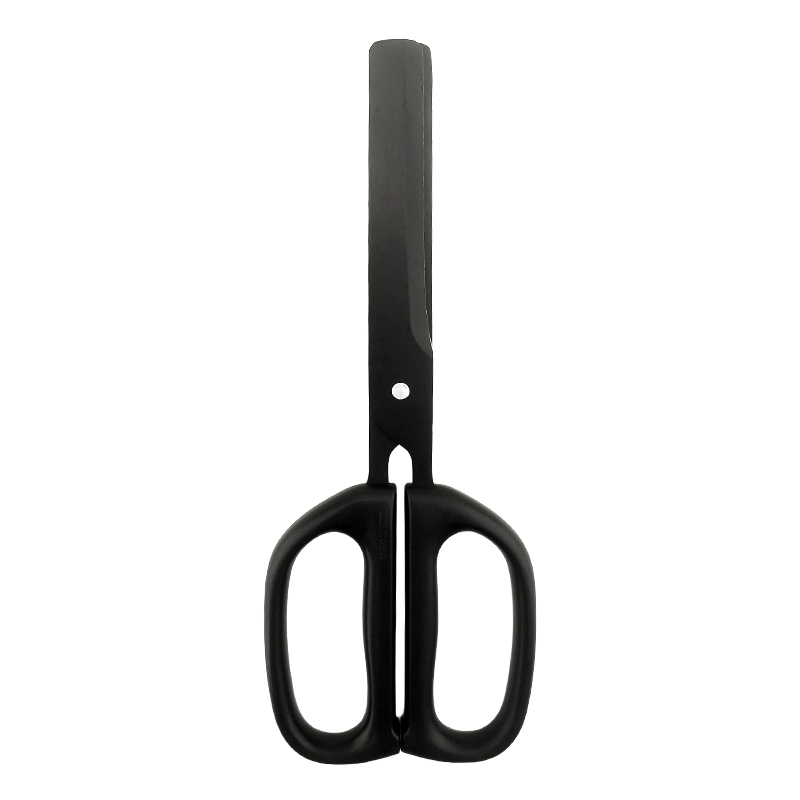
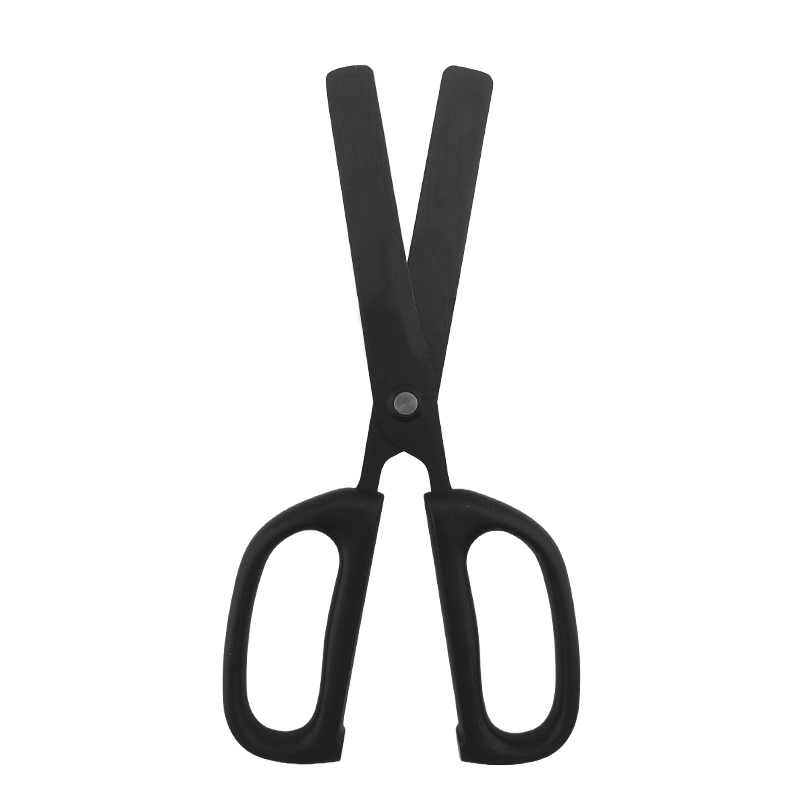
Before comparing factories, prepare a clear product brief. This helps avoid vague quotations and makes supplier responses easier to compare. The original Bonet product description highlights safe blades, a black ergonomic handle, and lightweight yet durable construction. If those features match your project, use them as a starting point, then confirm exact specifications with the supplier.
- Tip shape: Ask whether the product can be supplied with blunt, rounded or flat tips for student or general stationery use.
- Blade design: Confirm blade length, cutting edge style, surface finish and whether the blade is intended for paper, craft materials or general office tasks.
- Handle comfort: Review finger-hole size, grip angle and suitability for right-handed or left-handed users if required.
- Pivot quality: Test whether the scissors open and close smoothly without excessive looseness or stiffness.
- Weight and balance: Lightweight scissors can be easier for students to control, while office users may prefer a firmer feel.
- Branding area: Check where a logo can be printed, embossed or added to packaging without affecting usability.
Comparison Checklist for Safe Scissors OEM Projects
| Item to Check | Why It Matters | Questions to Ask the Supplier |
|---|---|---|
| Target user | Student, office and household users have different safety and performance needs. | Which design is recommended for our age group and channel? |
| Blade tip | Rounded or blunt tips can reduce accidental poking risks. | Can you provide samples with different tip shapes? |
| Handle design | Comfort affects control, especially during classroom or repeated office use. | What handle sizes, colors and materials are available? |
| Quality control | Consistent cutting, alignment and finish reduce returns and complaints. | What inspections are performed before shipment? |
| Compliance support | Requirements vary by destination market and use case. | Which test reports or documents can be provided for our market? |
| Packaging | Retail, school supply and wholesale channels often require different packs. | Can you support blister cards, bulk packs or private-label packaging? |
How to Evaluate an OEM Scissors Manufacturer
A capable OEM partner should be able to discuss product design, production feasibility and quality expectations in detail. Start by sending the same specification sheet to each shortlisted supplier. Include product size, blade style, handle color, packaging format, logo requirements, destination market, estimated order quantity and any testing expectations. If you do not know the exact specification, ask the supplier to recommend options and explain the trade-offs.
Request samples before confirming an order. During sample review, cut several common materials such as copy paper, thin card or craft paper, depending on your intended use. Check whether the blades meet evenly, whether the tips feel smooth, and whether the handle edges are comfortable. Also inspect the packaging sample for barcode position, warning text, hang hole strength and print clarity.
Commercial details should be verified directly with the supplier. Ask about minimum order quantity, production lead time, tooling costs if a custom mold is required, payment terms, inspection arrangements and export documentation. Avoid assuming that one supplier’s standard process will match your retail or school-channel requirements.
OEM Customization: What Buyers Can Specify
Safe stationery scissors can usually be customized in several ways, but every change may affect cost, lead time or tooling. Common OEM options include handle color, logo placement, blade length, tip style and packaging artwork. For a school supply brand, bright colors and child-friendly packaging may be important. For an office range, a more neutral handle color, such as the black ergonomic handle shown in the product image, may better match the channel.
When discussing customization, provide artwork files, color references and packaging dimensions early. Ask whether the supplier will create a pre-production sample for approval and what tolerance applies to color matching or logo placement. If your product will be sold in multiple countries, confirm language requirements and any market-specific labeling before printing packaging in bulk.
Quality and Safety Questions for Your RFQ
A strong RFQ should ask direct, practical questions. This does not replace your own compliance review, but it helps identify suppliers who understand controlled production and documentation.
- What blade materials and handle materials are available for this model?
- Can the scissors be produced with blunt or rounded tips for student use?
- What age guidance or warnings are recommended for the packaging?
- What in-process and final inspections are used for blade alignment, sharpness, tip finish and handle appearance?
- Can you provide samples from current production rather than only display samples?
- Which third-party tests or documents can be arranged if required for our destination market?
- What are the available packaging options for retail, school kits or wholesale cartons?
Practical FAQ
Are round-tip scissors always required for students?
Not always, but round or blunt tips are commonly preferred for younger users because they reduce poking hazards. Confirm the appropriate design based on age group, school policy and market requirements.
Can an OEM supplier make a private-label version?
Many scissors suppliers offer OEM or private-label support, but the exact options vary. Ask about logo methods, packaging artwork, color choices, tooling needs and approval samples.
What should I check in a sample?
Check cutting performance, blade alignment, tip smoothness, handle comfort, opening and closing action, surface finish, packaging quality and labeling accuracy.
How do I avoid quality problems in bulk orders?
Set written specifications, approve a pre-production sample, define inspection standards and confirm how non-conforming goods will be handled before mass production begins.
What information should I send for a fast quotation?
Send target user, size, blade tip requirement, handle color, logo needs, packaging type, estimated quantity, destination market and any testing or documentation requirements.
Final Thoughts for B2B Buyers
Safe stationery scissors OEM sourcing works best when the buyer defines the use case and the supplier provides clear technical and commercial answers. Focus on user safety, sample validation and documented quality expectations rather than broad claims. With a structured RFQ and careful sample review, brands can develop stationery scissors suitable for school, office, craft and household channels while reducing avoidable sourcing risk.
