




Scissors Factory: Kitchen Shears, Poultry & OEM Sourcing Guide
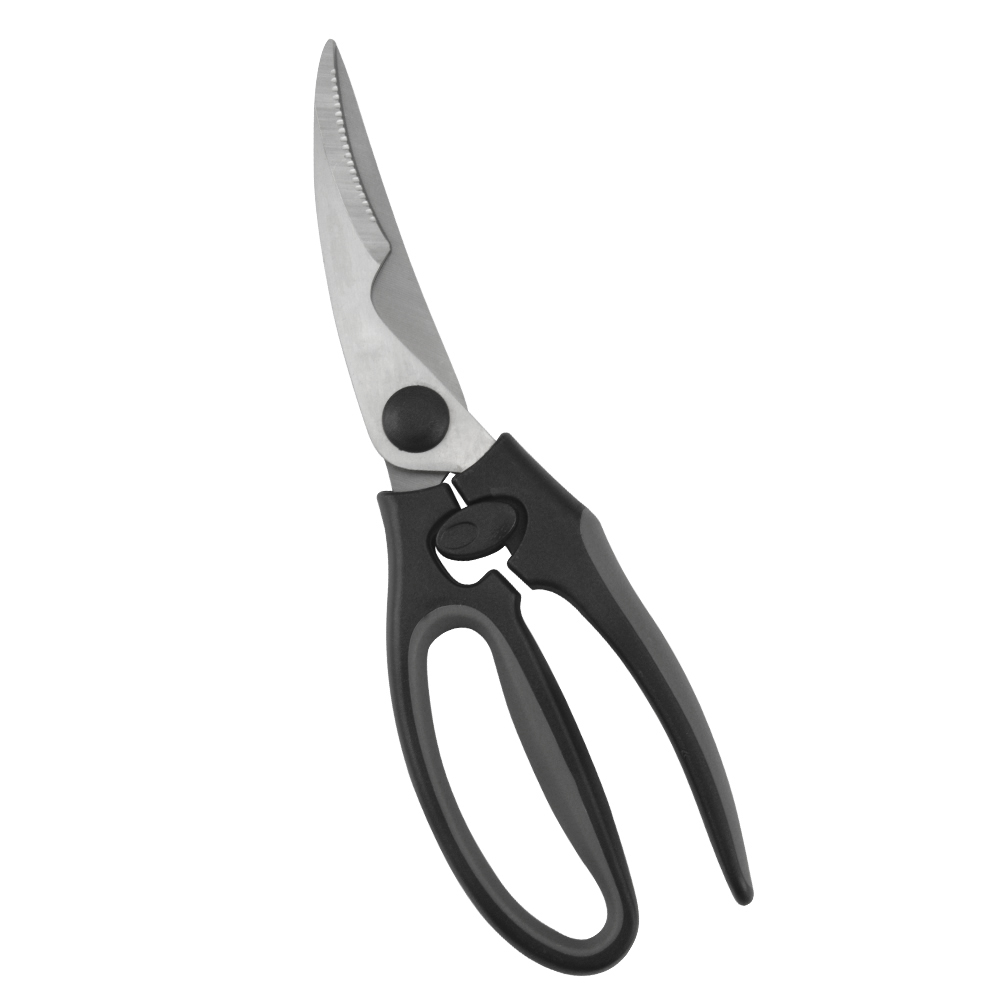
Kitchen scissors look simple, but for buyers they involve many practical decisions: blade sharpness, handle comfort, cleaning method, packaging, branding, and consistency across repeat orders. The original product information describes Kitchen Master Multi-Purpose Shears with stainless steel blades, a serrated blade section, ergonomic anti-slip handles, detachable blades, left- and right-hand usability, and a built-in bottle opener. Those are useful features for both retail and food-preparation users, but they also raise important sourcing questions for importers, wholesalers, and private-label brands.
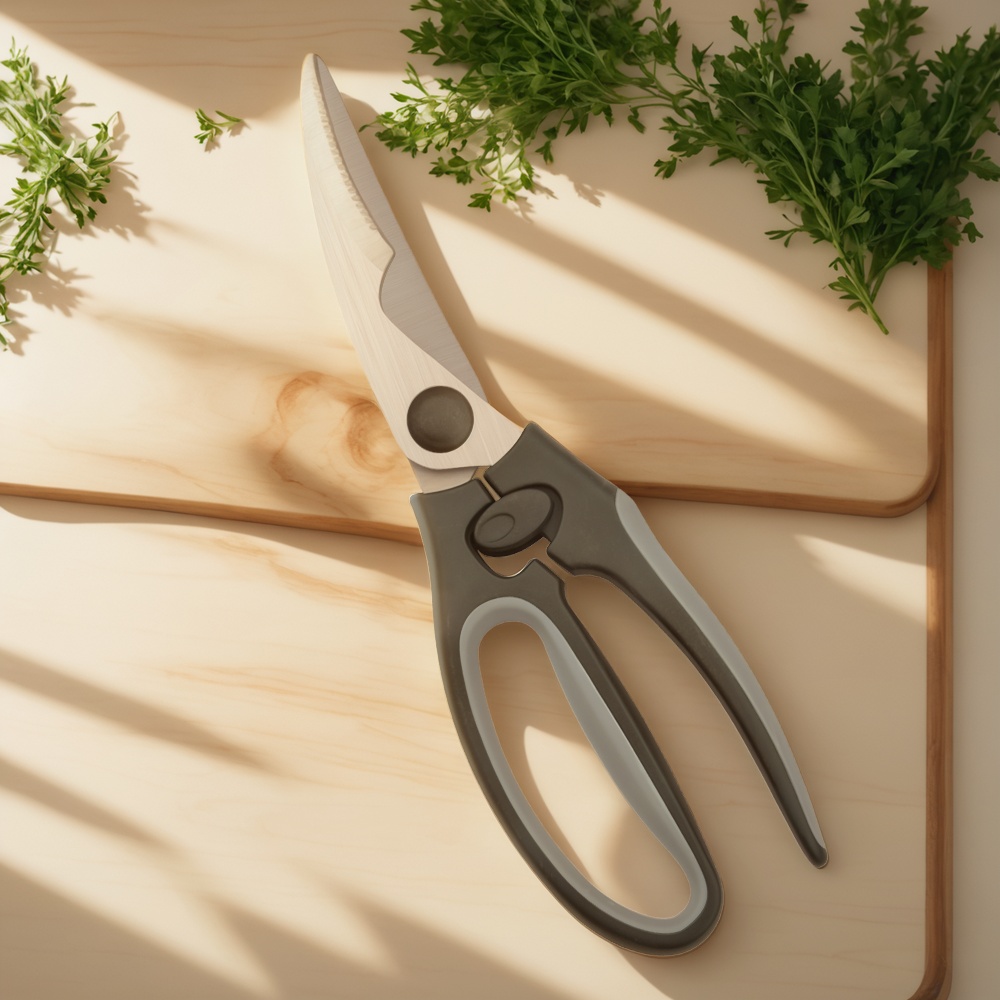
This guide explains how to evaluate a scissors factory for kitchen shears, poultry shears, and OEM scissors projects without relying on vague claims. It focuses on practical product selection, supplier communication, and quality checks buyers can use before placing an order.
Key Takeaways
- Kitchen shears should be evaluated by task fit, not only by appearance or catalog description.
- Explicit features in this product include stainless steel blades, a serrated section, detachable blades, anti-slip handles, ambidextrous usability, and a bottle opener.
- For OEM scissors, buyers should confirm drawings, materials, packaging, branding methods, quality standards, lead time, and inspection process directly with the supplier.
- Poultry shears need more attention to blade strength, grip security, cleaning access, and user safety than light-duty household scissors.
What Buyers Should Look for in Kitchen Shears
A practical pair of kitchen shears should support common food-preparation tasks such as trimming herbs, cutting packaging, portioning food, and handling ingredients that are difficult to manage with a knife. The source article states that the product uses sharp stainless steel blades and includes a serrated section designed to grip slippery items. For buyers, these details are worth discussing because they affect how the tool performs in everyday kitchen use.
Ask the supplier what the scissors are intended to cut and what tasks are outside their recommended use. A product promoted for light packaging and herbs may not be suitable for heavy poultry work. A product described as poultry shears should be assessed for blade thickness, pivot strength, handle stability, and cleaning access. If the catalog does not give enough detail, request product drawings, photos from multiple angles, and sample testing before confirming an order.
Kitchen Shears, Poultry Shears, and OEM Scissors Compared
Not all scissors sold for kitchen use should be sourced the same way. A retail kitchen scissors order may prioritize broad usability and consumer packaging, while a poultry shears order may require stronger performance checks. OEM scissors projects add another layer because branding, packaging, and customization must be clearly defined.
| Category | Main Use | Buyer Checklist |
|---|---|---|
| Multi-purpose kitchen shears | Herbs, food prep, light packaging, general kitchen tasks | Confirm blade material, sharpness, handle comfort, cleaning method, and packaging format. |
| Poultry shears | Cutting poultry joints, trimming meat, handling slippery ingredients | Ask about blade strength, pivot durability, serration design, grip security, and safe cleaning access. |
| OEM scissors | Private-label or customized product programs | Define logo placement, colors, packaging, artwork approval, sample process, inspection criteria, and delivery terms. |
Feature Review: Blades, Serration, and Cutting Control
The original article identifies stainless steel blades and a serrated blade section. Stainless steel is commonly used in kitchen cutting tools because buyers usually expect corrosion resistance and cleanability, but the exact grade, hardness, finish, and edge retention are not stated in the source. These should not be assumed. A serious buyer should ask the scissors factory to specify the steel type, blade thickness, heat-treatment process if applicable, and recommended maintenance.
Serration can be valuable when cutting slippery food because it helps hold the material in place. However, serration shape and location matter. Request samples and test them on realistic tasks: herbs, plastic packaging, raw poultry skin, cooked meat, and small bones only if the supplier states the product is intended for that use. Record whether the blades slide, crush, or cut cleanly. Practical testing often reveals more than a catalog phrase such as sharp or heavy duty.
Handle Design and User Comfort
The source describes ergonomic handles with a soft, anti-slip grip suitable for both right- and left-handed users. For consumer products, this can reduce complaints related to hand fatigue or poor control. For B2B sourcing, buyers should still verify handle dimensions, grip texture, material, odor, color consistency, and attachment quality. If the handle includes softer material, ask how it performs after washing and repeated use.
Ambidextrous usability is also worth checking in real handling tests. Some scissors feel symmetrical but still favor one hand because of blade bevel, handle angle, or grip shape. When ordering for broad retail distribution, include both right- and left-handed testers in sample evaluation. This helps avoid overpromising on product pages and packaging.
Cleaning, Hygiene, and Detachable Blades
The original product information says the blades are detachable for thorough cleaning. This is a useful feature in kitchen scissors because food residue can collect around the pivot area. Detachable construction can make washing easier, but it must be secure during use. Buyers should check how easily the blades separate, whether the connection feels stable when cutting, and whether the product includes clear cleaning instructions.
For wholesale and OEM projects, ask whether care instructions can be included on the packaging or insert. If the scissors are dishwasher safe, food-contact compliant, or suitable for commercial kitchens, those claims should be supported by documentation from the supplier; do not add them to sales materials unless they are confirmed.
OEM Scissors: Questions to Ask a Factory
OEM scissors sourcing is not only about adding a logo. It requires clear agreement on product structure, acceptable tolerances, packaging, inspection, and communication. A specialized scissors factory may offer existing models for branding or deeper customization, but buyers should confirm what is actually available for the chosen product.
- What parts of the scissors can be customized: handle color, logo, packaging, blade finish, or accessories?
- What material specifications can the supplier provide for blades, handles, screws, and soft grips?
- Can the factory provide pre-production samples for approval before mass production?
- What quality checks are performed for sharpness, pivot movement, handle finish, detachable function, and packaging?
- What are the lead time, payment terms, minimum order quantity, and carton details?
- What documents or test reports are available for the target market, if required?
These questions help buyers separate standard catalog supply from a properly controlled OEM program. They also reduce the risk of misunderstandings about features, claims, and packaging language.
Quality Inspection Points Before Shipment
Before approving shipment, buyers should inspect more than visual appearance. Kitchen shears are handled directly by consumers, so small defects can affect safety, comfort, and reviews. A practical inspection should include blade alignment, edge condition, pivot smoothness, detachable mechanism, handle molding, anti-slip grip finish, bottle opener placement, logo accuracy, and packaging condition.
It is also useful to define pass and fail examples. For instance, minor surface marks may be acceptable in some wholesale programs, while loose pivots, uneven cutting, cracked handles, or blades that separate unintentionally should not be accepted. If the product is sold as poultry shears, sample cutting tests should reflect the supplier's stated use range.
FAQ
Are kitchen shears the same as poultry shears?
Not always. Multi-purpose kitchen shears are designed for general tasks such as herbs and packaging, while poultry shears should be evaluated for tougher cutting, grip control, and cleaning access. Confirm the intended use with the supplier.
What OEM details should be confirmed first?
Start with the base model, customizable parts, logo method, packaging artwork, sample approval process, quality standard, order quantity, lead time, and available documentation.
Why are detachable blades useful?
Detachable blades can make cleaning easier around the pivot area, where food residue may collect. Buyers should still test whether the blades remain secure during normal cutting.
Can I claim a specific stainless steel grade?
Only if the supplier provides that specification and supporting documentation. The source states stainless steel blades, but it does not identify a specific grade.
How should buyers compare scissors factory samples?
Use the same cutting tasks for each sample, record results, check comfort with different users, inspect cleaning and assembly, and compare packaging quality before choosing a supplier.
