





Scissors for Crafts Factory: Precision and Design
For distributors, stationery brands, craft retailers, and OEM buyers, sourcing scissors for crafts is not just a matter of choosing a sharp blade. The right product must cut cleanly, feel comfortable in the hand, suit a range of craft materials, and remain consistent from sample approval to bulk delivery. A reliable scissors for crafts factory should be able to explain its materials, design choices, inspection process, packaging options, and order procedures clearly.
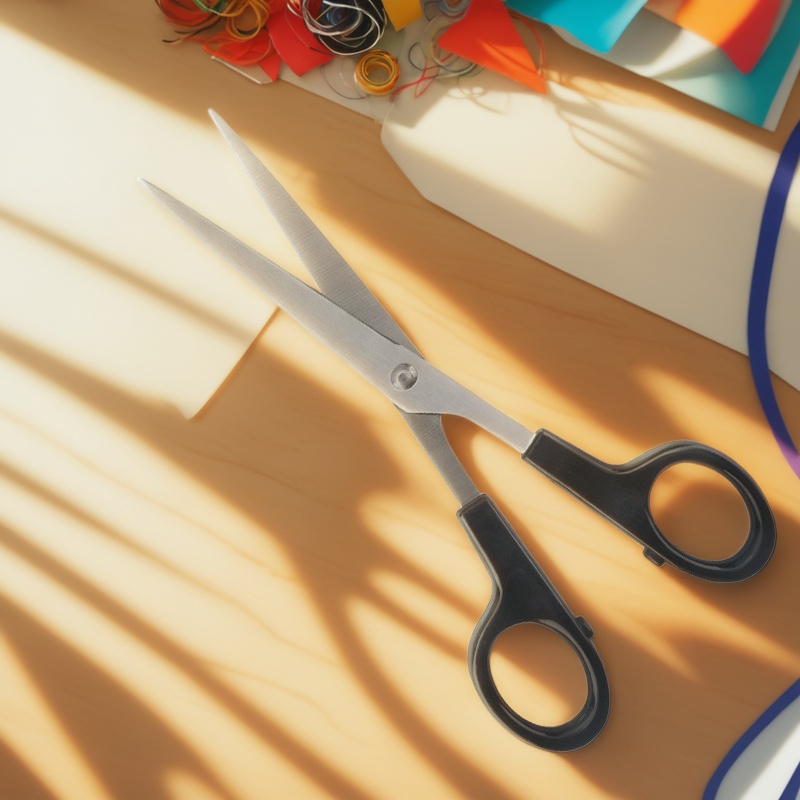
The original product information highlights a multi-purpose craft scissor made with stainless steel blades and classic black ABS plastic handles. It is described as suitable for paper, fabric, and cardboard, with a design intended to accommodate both right- and left-handed users. Those are useful starting points for buyers, but commercial decisions should be based on verified samples, supplier documentation, and clear quality expectations.
Key Takeaways
- Craft scissors should be evaluated by cutting performance, comfort, consistency, and packaging suitability.
- Stainless steel blades and ABS plastic handles are useful product facts from the original description, but buyers should confirm exact specifications with the supplier.
- For wholesale or OEM sourcing, request samples, inspection standards, lead times, customization limits, and carton details before placing an order.
- A practical comparison table helps align product features with target users such as schools, offices, craft studios, and retail stationery buyers.
What Buyers Should Look for in Craft Scissors
Craft scissors are used in different environments: classrooms, home craft rooms, offices, studios, packaging stations, and retail stationery aisles. A pair that works well for occasional paper cutting may not be the best choice for frequent fabric trimming or thicker cardboard tasks. Before discussing price, buyers should define the intended market and usage level.
Important selection factors include blade sharpness, blade alignment, handle comfort, opening and closing smoothness, and the ability to cut common materials without tearing or slipping. If the product will be sold under a private label, packaging presentation and barcode placement may also matter. If the scissors are part of a school, craft, or office supply range, consistency across repeated orders becomes especially important.
Material and Handle Design Considerations
The source article states that the scissors use stainless steel blades. Stainless steel is commonly chosen for stationery and craft scissors because it can offer practical corrosion resistance and clean cutting performance when properly formed, sharpened, and finished. However, buyers should still ask the supplier for the exact steel specification, blade thickness, hardness range if available, and surface treatment details.
The handles are described as classic black ABS plastic. ABS is widely used for molded handles because it can provide durability and a stable shape for everyday use. For B2B sourcing, the key question is not only what the handle is made from, but how it feels during repeated cutting. Buyers should test whether the grip is comfortable for the expected user group and whether the handle edges feel smooth.
The original description also notes that the design accommodates both right- and left-handed users. This is useful for general-purpose stationery and craft assortments, but buyers should verify the actual cutting feel with both user groups during sample evaluation.
Comparison Checklist for Sourcing Craft Scissors
| Selection Point | What to Check | Questions to Ask the Supplier |
|---|---|---|
| Blade material | Stainless steel is stated in the original product description. | What is the exact steel type, blade thickness, and finish? |
| Cutting performance | Test paper, fabric, and cardboard because these uses are explicitly mentioned. | What materials are used in factory cutting tests? |
| Handle material | ABS plastic handles are stated, with a classic black appearance. | Can handle color, logo, or texture be customized? |
| User comfort | Check grip size, finger space, and smooth opening action. | Are samples available for ergonomic review before bulk orders? |
| Handedness | The original text says the scissors accommodate right- and left-handed users. | Has the design been tested by both right- and left-handed users? |
| Packaging | Retail, school, office, and craft channels may need different packaging. | What packaging formats, artwork requirements, and carton details are available? |
| Inspection | Consistency matters for wholesale and OEM supply. | What incoming, in-process, and final inspection steps are used? |
How to Evaluate Samples Before Wholesale Orders
Sample testing should be structured rather than casual. Ask for production-representative samples if possible, not only display samples. Then test several pairs from the same batch to see whether the cutting feel is consistent.
- Cut standard office paper to check smoothness and blade alignment.
- Cut lightweight fabric to see whether the blades push the material or slice cleanly.
- Cut cardboard within the intended use range and watch for hand strain.
- Open and close the scissors repeatedly to check pivot smoothness.
- Inspect handle molding for rough edges, cracks, color inconsistency, or poor finishing.
- Check packaging strength if the scissors will be shipped in retail-ready packs.
Buyers should document the approved sample with photos, measurements, packaging notes, and any agreed changes. This creates a reference point for pre-shipment inspection and reduces misunderstandings later.
OEM and Private Label Questions to Ask
If you are sourcing from a multi-purpose scissors factory or stationery scissors manufacturer for an OEM program, clarify customization early. Do not assume that every supplier can change blade shape, handle color, logo method, packaging, and labeling without affecting cost, tooling, timing, or minimum order requirements.
Useful questions include: What customization options are available for handles and packaging? Is logo printing, molding, or labeling possible? What artwork file formats are required? Are there tooling charges for a new handle design? What is the process for approving pre-production samples? What are the lead times for sample revisions and bulk production? What quality standard will be used for inspection? These details help buyers compare suppliers beyond basic unit pricing.
Quality Control and Compliance Discussions
The original content does not provide certifications, testing reports, factory capacity, or compliance claims, so buyers should request these details directly when relevant to their market. Requirements can vary by country, sales channel, and user group. For example, products intended for school supply programs may need different documentation than general office or adult craft products.
At a minimum, ask how the factory controls blade sharpness, pivot assembly, handle molding, surface finish, and packaging accuracy. If you need third-party testing, confirm whether the supplier can support sample submission and provide required product information. For branded programs, also clarify labeling rules, warning statements if applicable, and traceability requirements.
Choosing the Right Product for Your Sales Channel
A single pair of scissors can serve multiple markets, but the best sourcing decision depends on positioning. Retail craft stores may value clean packaging and attractive shelf presentation. Office supply distributors may focus on dependable everyday performance and carton efficiency. School and education channels may emphasize comfort, easy handling, and clear product information. Studio and hobby users may care more about precision and comfort during longer cutting sessions.
The PrecisionCraft Multi-Purpose Scissors described in the source article are positioned for home, office, and studio use. For B2B buyers, that broad positioning should be translated into measurable specifications and channel-ready packaging. A supplier that can answer practical questions clearly is often easier to work with than one that only provides general promotional language.
Practical FAQ
What materials are stated for these craft scissors?
The original product description states stainless steel blades and classic black ABS plastic handles. Buyers should still confirm exact material specifications before ordering.
Can these scissors cut fabric and cardboard?
The source text says they are designed for paper, fabric, and cardboard. For wholesale purchasing, test samples on the exact materials your customers are likely to use.
Are they suitable for both right- and left-handed users?
The original description says the design accommodates both right- and left-handed users. Buyers should verify this through hands-on sample testing.
What should I ask a scissors supplier before ordering?
Ask about sample availability, material details, customization options, packaging formats, inspection procedures, lead times, minimum order requirements, and documentation needed for your market.
How can I avoid quality problems in bulk orders?
Approve a detailed reference sample, write down inspection criteria, confirm packaging requirements, and consider pre-shipment inspection before releasing the balance payment or accepting delivery.
