




Scissors for Crafts Factory: Precision & Design
Choosing scissors for craft, stationery, or multipurpose use is not only about finding a sharp blade. For importers, distributors, retailers, and private-label buyers, the real task is to identify a factory that can deliver consistent cutting performance, comfortable handling, reliable packaging, and clear communication. A good pair of scissors may be used on paper, card, fabric, ribbon, packaging, or classroom materials, so the product must balance precision, safety, durability, and cost control.
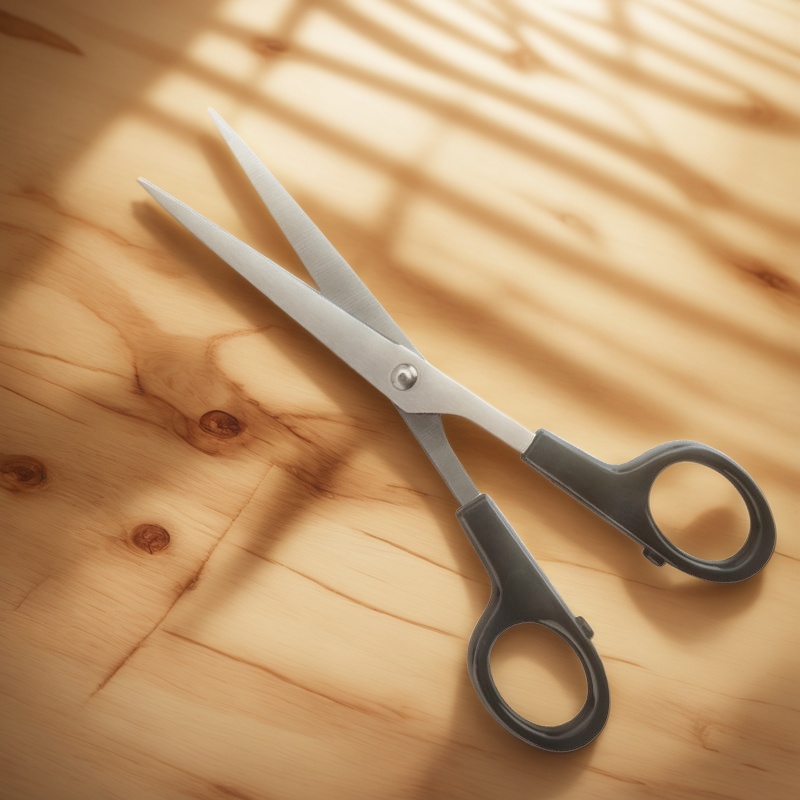
The original product description highlights several useful points: the scissors are designed for professional and everyday crafting, use stainless steel blades, have black polypropylene handles, and are presented as lightweight, portable, and multipurpose. Those details are a helpful starting point. However, buyers should still verify specifications, test samples, and ask the supplier direct questions before placing any wholesale or OEM order.

Key Takeaways
- Craft scissors should be evaluated by cutting performance, blade alignment, handle comfort, and consistency across samples.
- Stainless steel blades and polypropylene handles are useful stated features, but buyers should confirm grade, thickness, hardness, and finish with the supplier.
- For OEM or wholesale sourcing, ask about packaging, labeling, inspection process, lead time, sample policy, and order terms rather than assuming details.
- Different channels need different scissors: stationery lines may prioritize safety and value, while craft users may prioritize accuracy and comfort.
What Buyers Should Expect From Craft Scissors
Craft scissors are expected to cut cleanly without tearing, snagging, or crushing the material. For paper crafts, the cut line should remain smooth from the tip to the base of the blade. For fabric or ribbon, the scissors should not push the material away or leave ragged edges. For general stationery use, they should open and close smoothly and feel secure in the hand.
When a factory describes scissors as multipurpose, buyers should define what that means for their market. Multipurpose may include cutting paper, tags, labels, thin cardboard, thread, or light household materials. It does not automatically mean the tool is suitable for heavy industrial materials, thick leather, wire, or food contact. Clear use cases help prevent product mismatch and reduce after-sales complaints.
Material and Construction Points to Verify
The source article states that the scissors use stainless steel blades and polypropylene handles. These are common material choices for craft and stationery scissors. Stainless steel can support good corrosion resistance and edge retention, while polypropylene handles are typically lightweight and practical for daily handling.
Still, procurement teams should ask for more detail. What stainless steel grade is used? What is the blade thickness? Is the blade polished, brushed, coated, or otherwise finished? How is sharpness checked during production? Are the handle colors customizable? Is the handle molded in one piece or assembled with inserts? These questions do not require the factory to make inflated claims; they simply help buyers compare suppliers on a factual basis.
Comfort, Ergonomics, and User Fit
The original article mentions black handles that are gently contoured for an easy grip. That is important because scissors are often used repeatedly in classrooms, offices, workshops, packaging stations, and craft rooms. Poor handle design can cause pressure points, awkward finger placement, or unstable cutting control.
During sample review, ask several people to test the scissors, including users with different hand sizes. Check whether the finger loops are smooth, whether the handle edges feel sharp, and whether the pivot tension is comfortable. A pair that feels acceptable for ten seconds may feel very different after cutting multiple sheets, patterns, or fabric strips. For B2B buyers, comfort testing should be part of product selection, not a final afterthought.
Comparison Checklist for Factory Sourcing
| Check Point | What to Review | Questions to Ask the Supplier |
|---|---|---|
| Blade material | Stainless steel type, finish, thickness, edge quality | Which steel grade is used, and can it be documented? |
| Cutting performance | Paper, card, ribbon, fabric, and repeated cuts | What materials are used in internal cutting tests? |
| Handle design | Polypropylene handle comfort, grip shape, edge smoothness | Can handle color, shape, or logo placement be customized? |
| Pivot and assembly | Opening smoothness, blade alignment, screw or rivet stability | How is blade alignment inspected during production? |
| Packaging | Retail card, sleeve, bulk pack, barcode, warning text | What packaging options are available for wholesale or OEM orders? |
| Quality control | Sample consistency, visual defects, sharpness variation | What inspection steps are used before shipment? |
How to Review Samples Before an Order
A sample review should be structured. Start with appearance: blade finish, handle molding, color consistency, printing, and packaging. Then test function. Open and close the scissors repeatedly and listen for scraping or uneven tension. Cut from the blade base to the tip and check whether the final tip cut remains accurate. Poor tip performance is a common issue in low-quality craft scissors.
Next, test likely end uses. A stationery buyer may test copy paper, envelopes, school craft paper, and thin card. A craft brand may test ribbon, felt, cotton fabric, thread, and template cutting. A packaging buyer may test labels, light corrugated inserts, and plastic film if those are relevant. Record results so that supplier comparisons are based on evidence rather than first impressions.
OEM, Wholesale, and Packaging Questions
If the product will be sold under a private label, buyers should discuss OEM details early. Ask whether the supplier can support logo printing, custom handle colors, retail packaging artwork, barcode placement, and carton marks. Do not assume any customization is available until it is confirmed in writing.
Commercial questions are also important. Ask about minimum order quantity, sample cost, tooling requirements if the design changes, production lead time, payment terms, and shipping carton dimensions. If your market has labeling, age grading, warning, or documentation requirements, ask the supplier what information they can provide and what must be arranged by the buyer or importer. Avoid relying on generic claims; request documents, samples, and written specifications.
Matching Scissors to the Right Sales Channel
Not every scissor model fits every channel. A classroom or stationery range may need a lightweight, portable product at a competitive price, with clear packaging and easy display. A craft retailer may prefer a sharper, more comfortable model that can handle more precise work. A professional workshop may care more about durability, pivot stability, and replacement consistency than decorative packaging.
For online sales, product descriptions should be precise. If the scissors are suitable for paper, crafts, and light fabric, say so clearly. If heavy-duty use has not been tested, avoid suggesting it. Accurate positioning reduces returns and helps customers choose the correct tool.
Practical FAQ
What makes craft scissors different from ordinary stationery scissors?
Craft scissors are usually selected for cleaner cutting control, comfortable handling, and better precision across materials used in projects. However, the exact difference depends on the design and should be verified with samples.
Are stainless steel blades always better?
Stainless steel is a practical blade material, but performance depends on grade, hardness, edge grinding, thickness, and assembly quality. Buyers should ask for specifications and test real samples.
Can one pair of scissors cut paper and fabric?
Some multipurpose scissors can cut both light paper and light fabric, but performance varies. If fabric cutting matters to your market, test fabric samples before confirming an order.
What should I ask a scissors factory before buying wholesale?
Ask about blade material, handle material, customization options, packaging choices, sample lead time, MOQ, quality inspection, carton packing, and production lead time.
How can I reduce quality risk in an OEM order?
Approve a pre-production sample, define acceptable defects, confirm packaging artwork, request production photos if available, and arrange inspection before shipment when order value justifies it.
Final Sourcing Advice
A scissors for crafts factory can be a strong partner when it provides clear product information and consistent samples. Focus on practical evidence: how the scissors cut, how they feel, how they are packed, and how the supplier answers technical and commercial questions. By combining material verification, sample testing, and channel-specific positioning, buyers can select craft, multipurpose, or stationery scissors that better match their market and reduce sourcing risk.
