




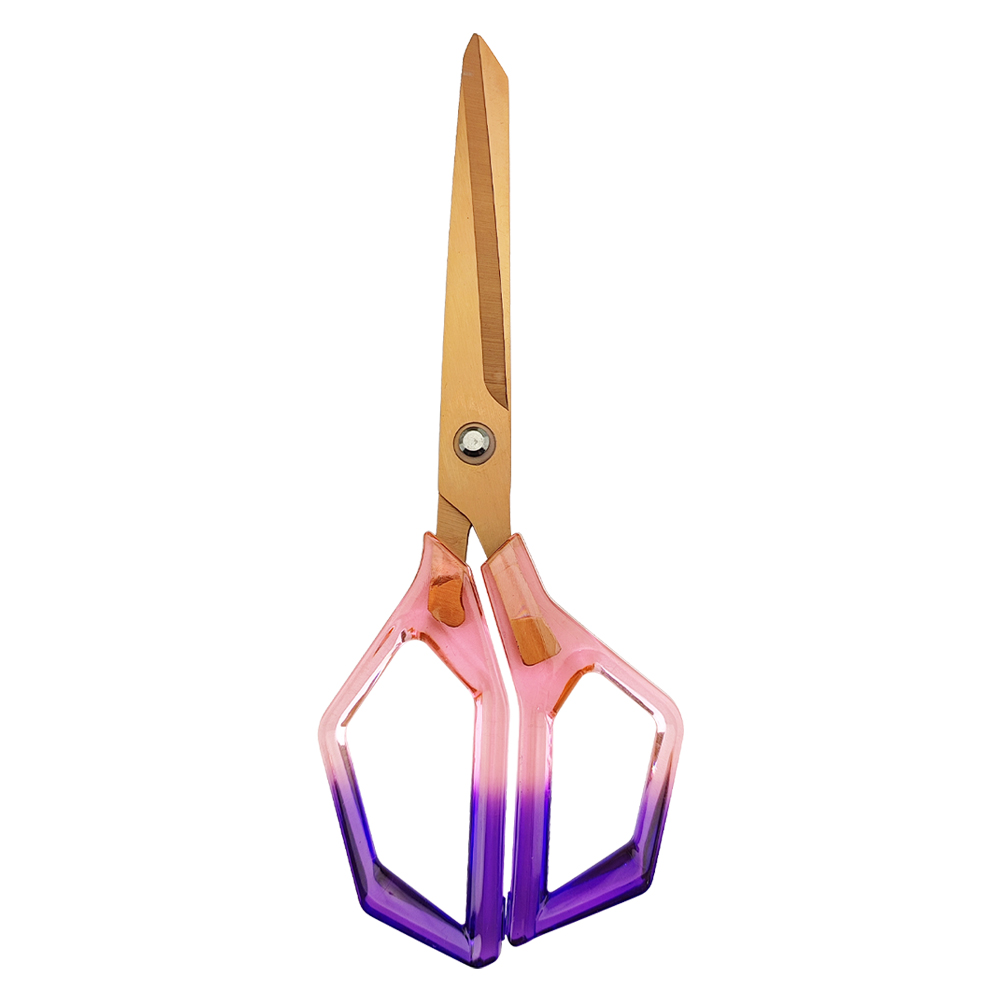
Scissors for Office Use: Durable & Elegant Tools
Scissors are one of the simplest tools on a desk, yet a poor pair can slow down everyday office work. From opening envelopes and trimming labels to preparing presentation materials, the right scissors should cut cleanly, feel comfortable in the hand, and remain reliable through repeated use. This guide explains how to evaluate scissors for office use with a focus on durability, comfort, blade shape, desk appearance, and practical care.
Key Takeaways
- Choose office scissors based on the materials you cut most often, such as paper, envelopes, labels, or light cardstock.
- Sharp, tapered blades are useful for both straight cuts and more detailed trimming tasks.
- Comfortable, cushioned, contoured handles can reduce hand fatigue during repeated use.
- A distinctive finish, such as a copper-style accent with purple handles, can make scissors easier to identify on a shared desk.
- Simple cleaning, dry storage, and proper use help extend the working life of desk scissors.
Why Office Scissors Deserve More Attention
In many workplaces, scissors are treated as a minor supply item. However, anyone who handles mail, printed documents, packaging, samples, classroom materials, or display boards knows how often scissors are used. A dull or uncomfortable pair can tear paper, leave uneven edges, or make repetitive tasks frustrating.
Good office scissors do not need to be complicated. They should be easy to find, easy to control, and suitable for the daily cutting tasks found in administrative, educational, design, retail, and home-office settings. For professionals who want a desk tool that looks organized rather than disposable, design details also matter. A model with a polished visual accent and vibrant handle color can be practical while still looking appropriate in a modern workspace.
Choosing the Right Tool for the Job
The first question is not which scissors look best, but what they will cut. Most office scissors are intended for paper-based and light-duty tasks. These may include opening letters, cutting printer paper, trimming photos, preparing meeting handouts, cutting labels, or shaping lightweight craft materials for presentations.
If your office regularly cuts thick cardboard, plastic strapping, fabric, wire, or heavy packaging, a standard desk scissor may not be the right tool. Using scissors beyond their intended purpose can dull the blades, loosen the pivot, or create safety risks. For general office use, look for a balanced pair that handles paper and light cardstock cleanly without feeling oversized.
Blade Design, Sharpness, and Cutting Control
Blade shape has a direct effect on accuracy. Sharp, tapered blades are useful because they allow the user to start a cut cleanly and guide the tip into smaller spaces. This helps when trimming labels, cutting around printed graphics, or making neat adjustments to presentation materials.
Many professionals prefer stainless steel office scissors because stainless steel is commonly associated with strength and resistance to rust and corrosion. When comparing products, check the supplier's stated blade material rather than assuming the grade or finish. If material details are not listed, ask what the blades are made from, whether they are designed for paper use, and how the edge is finished.
A smooth pivot is also important. Scissors should open and close without grinding, wobbling, or requiring excess force. If the blades are sharp but the pivot is poorly aligned, the cut may still feel rough. For shared office supplies, a stable pivot and clean blade contact can make the difference between a tool that is used daily and one that stays in a drawer.
Handle Comfort for Repetitive Office Tasks
Comfort is often overlooked until a task takes longer than expected. Cutting a few sheets of paper is easy; cutting dozens of labels or preparing materials for a training session can create hand fatigue. Ergonomic office scissors are designed to reduce strain by improving grip shape and pressure distribution.
The original product description highlights vibrant purple handles that are cushioned and carefully contoured to fit comfortably in the hand. Those features are useful for users who want better control during longer cutting sessions. A lightweight yet sturdy feel can also help with accuracy, especially when switching between straight cuts and smaller trimming work.
Before purchasing for a team, consider whether the handles suit different users. Ask whether the scissors are intended for right-handed use, left-handed use, or general use. Also check whether the handle openings are large enough for comfortable grip without forcing the fingers into an awkward position.
Design Details: Appearance, Visibility, and Desk Organization
Office tools should be functional first, but appearance can still serve a purpose. Scissors with a unique copper-style flair and purple handles are more visible than plain designs, making them easier to locate on a busy desk or in a supply drawer. In shared spaces, distinctive colors can also reduce mix-ups between personal and communal tools.
An elegant office scissor does not need unnecessary decoration. The best design choices support usability: a finish that is easy to recognize, handles that are comfortable to hold, and a blade profile that suits normal office tasks. If appearance matters for client-facing desks, reception areas, studios, or executive offices, choose a pair that looks neat without compromising cutting performance.
Office Scissors Selection Checklist
| Selection Point | What to Check | Why It Matters |
|---|---|---|
| Typical materials | Paper, envelopes, labels, photos, or light cardstock | Prevents using desk scissors for tasks that may damage them |
| Blade shape | Sharp, tapered blades with smooth alignment | Supports clean straight cuts and detailed trimming |
| Handle comfort | Cushioned, contoured grip and suitable finger openings | Reduces strain during repetitive office work |
| Desk visibility | Distinctive color or finish, such as purple handles or copper-style accents | Makes the tool easier to find and identify |
| Supplier information | Blade material, intended use, packaging, and care guidance | Helps buyers compare options accurately |
Care and Maintenance for Longer Use
Even durable office scissors perform better with basic care. Keep the blades clean and dry, especially after cutting adhesive labels or taped packaging. Residue can build up along the cutting edge and make the blades feel dull. Wipe the blades with a soft cloth after use, and avoid leaving scissors in damp areas.
- Use the scissors mainly for paper and light office materials.
- Do not cut wire, hard plastic, or thick cardboard unless the product is specified for those materials.
- Remove adhesive residue promptly so the blades close smoothly.
- Store scissors closed in a drawer, desk organizer, or supply tray.
- Replace scissors when the blades no longer meet cleanly or the pivot becomes unstable.
Questions to Ask Before Buying Office Scissors
For individual buyers, comfort and cutting performance are usually the main concerns. For office managers, schools, studios, or wholesale buyers, consistency matters as well. Before placing a larger order, ask the supplier clear questions: What materials are the blades and handles made from? Are the scissors intended for paper only or broader light-duty use? Is the handle design suitable for long cutting sessions? What packaging options are available? Are product samples available for evaluation?
A careful comparison helps avoid assumptions. Unless a supplier provides specific information, do not assume a particular material grade, certification, testing result, or commercial term. The best purchase decision is based on documented product details and real use requirements.
FAQ
What are office scissors best used for?
They are best suited to daily desk tasks such as cutting paper, opening mail, trimming labels, preparing handouts, and working with light cardstock. Heavy packaging or hard materials may require a different cutting tool.
Are ergonomic office scissors worth choosing?
Yes, especially if you cut frequently or for long periods. Cushioned and contoured handles can improve grip comfort and reduce fatigue during repetitive work.
How can I keep office scissors sharp for longer?
Use them only for suitable materials, clean adhesive residue from the blades, keep them dry, and store them closed. Avoid cutting materials that are harder or thicker than the scissors are designed to handle.
What should bulk buyers confirm with a supplier?
Ask about blade material, intended cutting applications, handle design, packaging, sample availability, and any documented product details. Do not assume specifications that are not clearly provided.
