




Scissors for Office Use: How to Choose and Maintain Them
Scissors for office use are small tools, but they affect many daily tasks: opening packages, trimming printed documents, preparing presentation boards, cutting labels, and supporting light creative work. A poor pair can leave ragged edges, strain the hand, or disappear from a shared drawer because no one knows which scissors are meant for which job. A better approach is to match the scissors to the tasks, set simple care rules, and ask the right questions when buying for an office, school administration area, studio, or purchasing department.
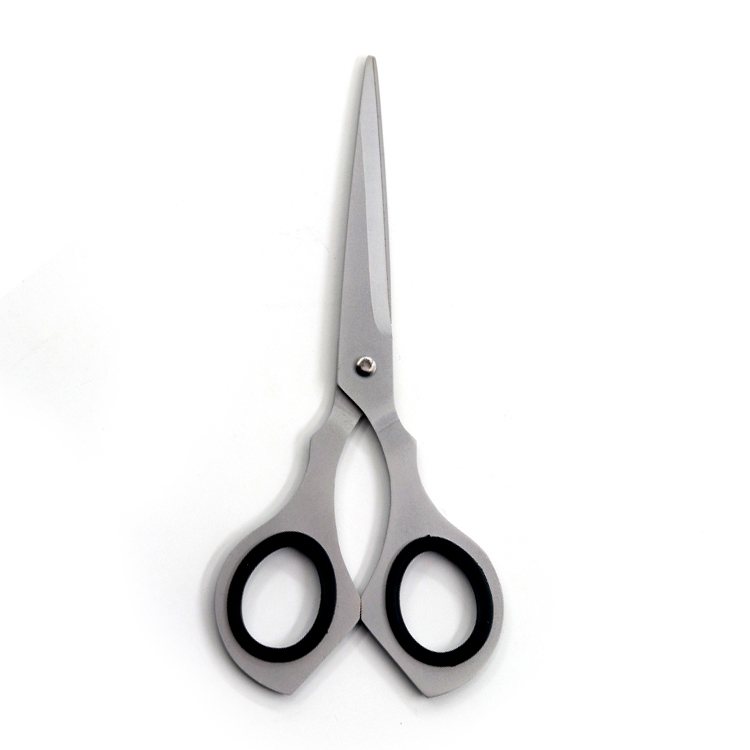
The original article mentioned Rose Gold Precision Scissors as an example of office scissors with sharp, fine blades, ergonomic handles, a sleek appearance, and a robust pivot screw. Those are useful selection points, but buyers should still evaluate whether any product suits their exact workload, users, and storage conditions before ordering.
Key Takeaways
- Choose office scissors by task: general cutting, fine detail work, shared desk use, or craft-related projects.
- Fine blades can help with detailed paper trimming, while larger everyday scissors may be better for routine packaging and document work.
- Handle comfort matters in offices where scissors are used repeatedly throughout the day.
- For B2B purchasing, ask suppliers about available sizes, materials, packaging, labeling, samples, lead times, and quality checks rather than assuming specifications.
- Regular cleaning, dry storage, and pivot checks help extend service life.
Common Office Tasks That Need the Right Scissors
Most offices use scissors for more than simple paper cutting. Reception teams may open mailers and trim notices. Marketing or design teams may cut mockups, samples, and visual aids. HR teams may prepare name tags or training materials. Teachers, administrators, and event coordinators may need scissors for posters, envelopes, ribbon, or light craft materials.
No single pair is ideal for every task. Fine tip scissors can support detailed trimming around small graphics or labels. General office scissors are better for quick straight cuts on standard paper. If employees frequently cut adhesive tape, packaging, or laminated material, the office may need separate scissors for those uses so residue does not affect the pair reserved for clean paper tasks.
How to Select Scissors for Office Use
Start with the cutting job, then review comfort and storage. A purchasing decision based only on color or desk appearance can lead to tools that look organized but do not perform well in daily work. The following criteria are more practical:
- Blade shape: Fine blades are useful for detailed cuts. Wider blades may feel more stable for straight paper cuts.
- Cutting edge: Look for scissors that cut cleanly without crushing or tearing paper during a sample test.
- Handle comfort: Ergonomic handles can reduce hand strain during longer use, especially for teams preparing packets or event materials.
- Pivot action: A stable pivot screw helps the blades open and close consistently. If the pivot feels loose, cutting accuracy can suffer.
- Desk control: Decide whether scissors will be assigned to individual desks, shared stations, or supply cabinets.
Rose Gold Precision Scissors, as described in the source article, are positioned for clean, detailed office cutting and include fine blades, ergonomic handles, and a robust pivot screw. Those qualities are relevant for report trimming, visual aids, and presentation preparation, but teams should still test fit and cutting feel before standardizing across departments.
Comparison Checklist for Office Scissors
| Selection point | Best for | What to check before buying |
|---|---|---|
| Fine tip blades | Detailed trimming, labels, mockups, visual aids | Do the tips meet cleanly and cut small curves without snagging? |
| General office blades | Everyday paper, envelopes, basic desk tasks | Can they cut several common office materials without tearing? |
| Ergonomic handles | Frequent users and long preparation sessions | Are they comfortable for different hand sizes and grip styles? |
| Robust pivot screw | Consistent repeated cutting | Does the pivot stay aligned after repeated opening and closing? |
| Protective storage | Shared drawers, craft areas, mobile supply kits | Is there a safe place to store the blades and prevent damage? |
Sourcing Guidance for Office, Wholesale, and OEM Buyers
If you are sourcing scissors for an office supply program, promotional kit, school office, retailer, or distributor, treat the purchase as a small but repeatable procurement category. A fine tip scissors supplier, children's craft scissors supplier, or general office scissors supplier may each offer relevant options, but their product focus can differ. Children's craft scissors may emphasize safer handling and controlled cutting, while fine tip scissors suppliers may focus on precision tasks.
Before placing a wholesale or OEM order, ask practical questions instead of relying on assumptions. What blade sizes and handle designs are available? Can the supplier provide samples for evaluation? What packaging options are offered for retail, office supply cabinets, or private label programs? What is the expected production and delivery timeline? How are blade alignment, opening smoothness, and visual defects checked? Are replacement policies, carton details, and labeling requirements clearly documented?
Do not assume a specific material grade, certification, minimum order quantity, or compliance status unless the supplier provides written confirmation. For office procurement, a simple sample test with real documents, labels, and packaging materials is often more useful than a generic product description.
Use and Care Tips for Longer Service Life
Office scissors last longer when they are treated as cutting tools rather than general-purpose prying or scraping devices. Keep at least one pair for clean paper and another pair for tape, cardboard, or packaging. Adhesive residue can build up on blades and make future cuts feel sticky or uneven.
- Wipe blades after use, especially after cutting tape or labels.
- Store scissors dry to reduce the risk of staining or corrosion, depending on the blade material.
- Keep fine tip scissors in a sleeve, case, or designated drawer section to protect the tips.
- Do not force scissors through materials they are not designed to cut.
- Check the pivot occasionally; if the blades feel loose or misaligned, remove the pair from shared use until it is inspected.
These habits are simple enough for shared offices. A small label on a supply drawer, such as “paper only” or “packaging use,” can prevent the most common damage.
Organizing Scissors in a Professional Workspace
Organization reduces wasted time. In a small office, one general pair at each workstation may be enough. In a busy administrative area, create a central cutting station with general scissors, fine tip scissors, a ruler, cutting mat, and waste bin. For teams that prepare client packets or event materials, keep backup pairs available so work does not stop when one pair is misplaced.
Color or finish can help with identification, but it should not be the only reason to purchase. A rose gold finish, for example, may make a pair easier to recognize on a desk, while the more important performance factors remain blade precision, comfortable handling, and smooth pivot movement.
Practical FAQ
What are the best scissors for office use?
The best choice depends on the work. General scissors suit everyday paper cutting, while fine tip scissors are better for detailed trimming, labels, and presentation materials.
Are fine tip scissors useful in an office?
Yes. They are helpful for tasks that require accuracy, such as trimming reports, cutting small graphics, or preparing visual aids. They should be stored carefully to protect the tips.
How many scissors should an office keep?
Base the quantity on the number of workstations and shared tasks. Many offices benefit from individual desk scissors plus a few specialized pairs in a central supply area.
What should B2B buyers ask a scissors supplier?
Ask about sample availability, blade and handle options, packaging, labeling, lead times, quality checks, and whether any claimed specifications can be confirmed in writing.
How do you keep office scissors sharp and clean?
Use them only on suitable materials, wipe away residue, store them dry, protect fine tips, and separate paper scissors from packaging scissors.
