




Scissor Parts and Assembly: Precision, Fit, and Sourcing Checks
Scissors look simple from the outside, but their performance depends on a careful relationship between blade geometry, pivot tension, handle balance, and final adjustment. A small mismatch at the pivot or an uneven blade edge can turn a useful cutting tool into one that folds material, pulls at fibers, or tires the user’s hand. For buyers sourcing scissors for household, craft, tailoring, gardening, or industrial applications, understanding the main parts and assembly steps helps separate attractive samples from products that are likely to perform consistently in real use.
This guide explains the role of key scissor components, what happens during assembly, and which quality questions to ask a supplier before placing an order. It does not replace laboratory testing or an engineering specification, but it gives purchasing teams a practical framework for evaluating samples and discussing requirements with a factory or trading partner.
Key Takeaways
- Scissor performance depends on blade alignment, pivot fit, edge finishing, and handle comfort working together.
- The pivot area is critical because it controls cutting smoothness, looseness, and long-term feel.
- Material claims, hardness, coating, corrosion resistance, and compliance should be verified with supplier documentation when relevant.
- Buyers should test scissors on the target material, not only on paper, before approving a sample.
- Clear specifications reduce misunderstandings in OEM, wholesale, and private-label sourcing.
Core Scissor Parts and What They Do
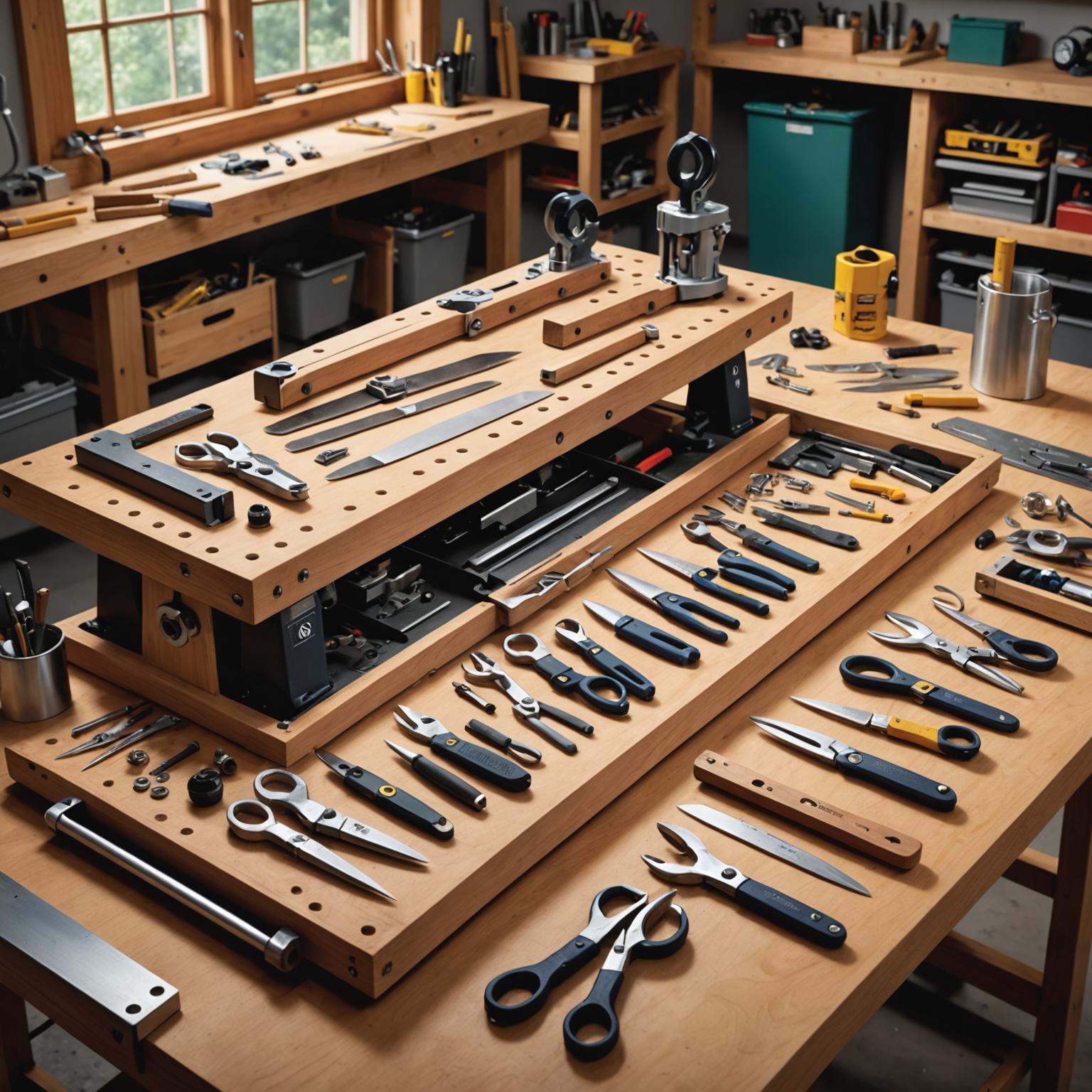
Most scissors include two blades, a pivot, handles, and small fastening or spacing components. Depending on the design, the pivot may use a rivet, screw, washer, spring, or other fitting. The original assembly concept often includes organized small parts such as washers, springs, and screws because these details influence how smoothly the blades open and close.
The blades do the visible work, but they cannot perform well alone. The inside faces must meet at the correct angle, while the cutting edges need an appropriate finish for the intended material. Handles guide the user’s force into the blades. If the handles are poorly shaped or the weight balance is uncomfortable, even a sharp pair of scissors can feel inefficient during repeated cutting.
Why Pivot Alignment Matters
The pivot point is the mechanical center of a pair of scissors. A riveted pivot can provide a stable joint when properly set, while screw-based designs may allow adjustment depending on construction. In either case, the key issue is control: the blades should not wobble, bind, or separate during cutting.
If pivot tension is too loose, thin material may slip between the blades instead of being cut cleanly. If it is too tight, the user may need excess force, increasing fatigue and reducing accuracy. During assembly, skilled workers or calibrated equipment typically check blade contact and adjust the joint so the scissors open and close with predictable resistance. Buyers should ask suppliers how pivot tension is checked and whether there is a defined inspection standard for looseness, blade play, and opening smoothness.
Blade Material, Edge Finish, and Cutting Performance
The source text refers to stainless steel blades, a common choice for many scissor types because stainless steel is associated with a clean surface and corrosion resistance. However, not all stainless steel is the same, and the original article does not specify a grade, hardness, or heat-treatment process. For sourcing, those details should not be assumed. Buyers should ask the supplier what blade material is used, what hardness range is targeted, and whether supporting documents can be provided for the order.
Edge finish is just as important as material. Paper scissors, tailoring scissors, kitchen scissors, garden scissors, and industrial cutting tools may require different edge angles, blade thicknesses, and surface finishes. A sample that cuts office paper well may not be suitable for fabric, packaging strap, herbs, or heavier sheet materials. The most useful quality check is a cutting trial using the actual material and cutting pattern expected in the end market.
Assembly Workflow: From Parts to Finished Tool
Although factories may use different processes, scissor assembly generally follows a logical sequence. Components are prepared, blades are paired, the pivot is fitted, handles and small parts are installed, and the finished scissors are adjusted and inspected. Protective fabric or soft work surfaces may be used during handling to help avoid scratches or damage to blade edges.
- Component preparation: blades, handles, washers, screws, springs, or rivets are organized for assembly.
- Blade pairing: matching left and right blades helps ensure proper contact and smooth cutting.
- Pivot fitting: the joint is riveted or screwed into place with controlled tension.
- Alignment adjustment: technicians check blade contact, tip meeting, opening action, and cutting feel.
- Final inspection: the scissors are reviewed for appearance, function, safety concerns, and packaging readiness.
For OEM or wholesale projects, buyers should clarify whether assembly is manual, semi-automatic, or machine-assisted, and how consistency is monitored. It is reasonable to ask for sample approval records, inspection criteria, and defect definitions without assuming the supplier follows a particular system.
Comfort, Balance, and Intended Use
The original article notes ergonomic design and weight balance as important for reducing hand fatigue. For buyer evaluations, comfort should be treated as a measurable user experience rather than a vague marketing phrase. Handle opening size, finger ring shape, surface texture, overall weight, and blade length all affect usability.
A pair of scissors intended for long craft sessions may need a different handle feel than a pair used occasionally in a kitchen drawer. Tailoring scissors may prioritize long, controlled cuts through fabric, while gardening scissors may need leverage and grip security. Before selecting a design, define the user, cutting material, frequency of use, and retail positioning. These choices should guide the sample brief sent to the supplier.
Comparison Checklist for Buyers
| Check Area | What to Review | Questions to Ask the Supplier |
|---|---|---|
| Blade material | Declared material, hardness, finish, corrosion expectations | What material is used, and can it be documented for the order? |
| Pivot assembly | Rivet or screw design, looseness, opening resistance | How is pivot tension inspected during production? |
| Cutting test | Performance on target material, not only paper | Can samples be tested against our required cutting material? |
| Handle comfort | Grip size, balance, repeated-use feel | Are alternative handle designs or colors available for OEM projects? |
| Small components | Washers, springs, screws, and secure fit | Which parts are replaceable or adjustable, if any? |
| Packaging and inspection | Appearance, protection, labeling, defect limits | What final inspection criteria apply before shipment? |
B2B Sourcing Guidance for Scissors
When sourcing scissors from a factory, supplier, or wholesale partner, provide a written specification rather than relying on product photos. Include target application, blade length, handle type, material expectations, packaging requirements, labeling needs, and sample test conditions. If the product will be sold in a regulated market or used in a professional setting, ask the supplier what compliance documentation, test reports, or material declarations are available. Do not assume certifications or legal conformity unless they are provided and verified.
For private-label or OEM scissors, also ask about tooling limitations, color matching process, logo placement options, packaging artwork requirements, production lead time, quality control steps, and how changes are approved after the pre-production sample. Commercial terms such as MOQ, pricing, and capacity should be requested directly from the supplier because they vary by design and order scope.
Practical FAQ
What is the most important part of scissor assembly?
The pivot and blade alignment are usually the most critical. Even sharp blades will cut poorly if the pivot is loose, overly tight, or misaligned.
Are stainless steel scissors always better?
Stainless steel can be useful for corrosion resistance and surface finish, but quality depends on the specific grade, heat treatment, edge geometry, and assembly. Buyers should verify the material rather than rely on a general label.
How should buyers test scissor samples?
Test samples on the actual material the scissors are expected to cut. Check first-cut sharpness, full-length cutting smoothness, tip performance, hand comfort, and whether the pivot loosens after repeated use.
What should be included in an OEM scissor inquiry?
Include the application, size, blade and handle requirements, packaging needs, logo request, target market, inspection expectations, and any documentation required. Ask the supplier to confirm what is feasible before approving samples.
Can one scissor design work for every use?
Usually not. Paper, fabric, kitchen tasks, gardening, and industrial materials place different demands on blade shape, leverage, grip, and durability. Choose the design around the intended use.
Final Thoughts
Good scissors are the result of precise parts working together: correctly finished blades, a controlled pivot, secure small components, and handles suited to the user. For sourcing teams, the best approach is to move beyond appearance and evaluate samples through function, documentation, and repeatable inspection criteria. Asking detailed questions early helps ensure the finished product matches its intended market and reduces avoidable quality issues later.
