




Scissors Supplier for Tailors: Precision Meets Style
Choosing a scissors supplier for tailors is not only about finding a cutting tool that looks professional. For sewing studios, alteration shops, craft retailers, and wholesale buyers, the right supplier should provide scissors that support accurate cutting, comfortable handling, and consistent repeat purchasing. A poor choice can lead to uneven fabric edges, operator fatigue, frequent replacement, and customer complaints.
This guide rewrites the essentials into a practical sourcing framework. It covers what to check in sewing scissors, how to compare supplier options, and what questions to ask before placing wholesale, OEM, or repeat business orders.
Why Tailors Need Purpose-Built Sewing Scissors
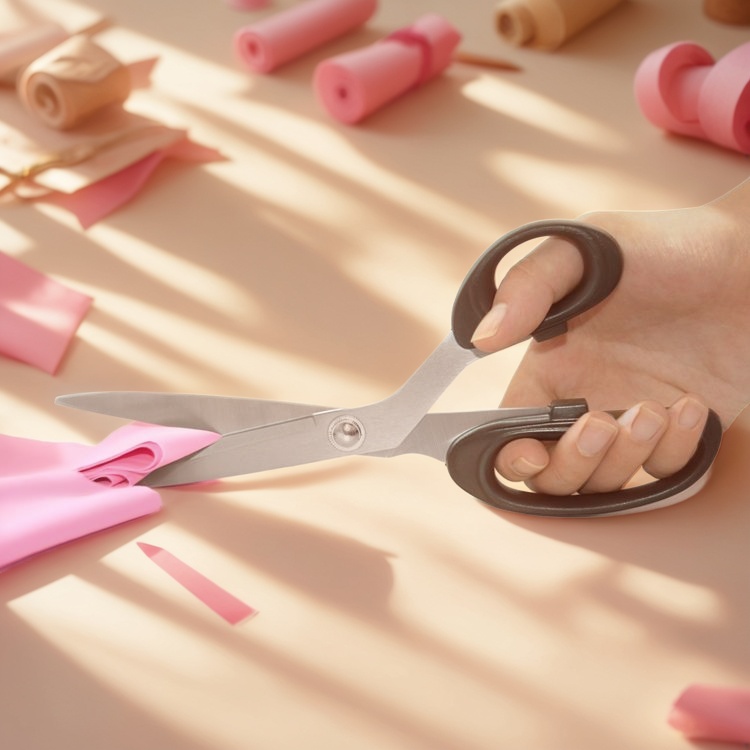
Tailoring involves more than cutting a straight line. A tailor may trim lightweight lining, shape garment panels, cut interfacing, notch seam allowances, or work with heavier fabrics. General household scissors often lack the control and blade geometry needed for these jobs. Dedicated scissors for sewing are designed to help users guide fabric with accuracy while keeping the hand stable during repeated cuts.
For a professional buyer, the key point is consistency. One good sample is not enough if the next shipment feels different, cuts poorly, or has handle comfort issues. When evaluating a scissors supplier for tailors, request clear product information, inspect samples, and confirm how the supplier controls quality from batch to batch.
Core Features to Compare in Tailor Scissors
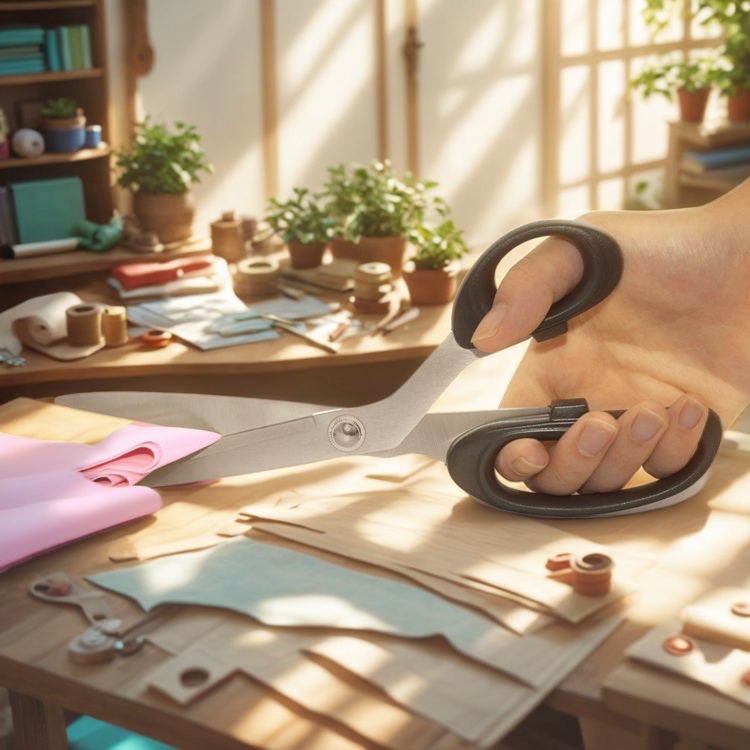
The original product description highlights several useful features: stainless steel blades, ergonomic handles, asymmetrical finger loops, contemporary black handles, and suitability for both left-handed and right-handed users. These are relevant factors when comparing tailor scissors for sale, but buyers should still verify the exact details for the item they plan to purchase.
- Blade material: Stainless steel blades are commonly valued for durability and resistance to everyday wear. Ask the supplier to specify the steel type if that matters for your market.
- Sharpness and edge retention: Professional users need scissors that cut cleanly over time. Request sample testing rather than relying only on catalog descriptions.
- Handle shape: Ergonomic handles can reduce strain during long cutting sessions, especially in production or alteration environments.
- Finger loop design: Asymmetrical loops may improve control because the thumb and fingers do not naturally need the same space.
- Hand orientation: If the scissors are promoted for both left-handed and right-handed users, test them with actual users from both groups before ordering volume.
- Appearance: Black handles can present a clean, professional look for retail display or studio use, but appearance should not replace cutting performance.
Supplier Selection Checklist for B2B Buyers
Wholesale and OEM buyers should treat scissors as a repeat-purchase tool category. Instead of asking only for the lowest unit price, build a checklist that covers performance, packaging, communication, and after-sales support. The table below can help structure supplier comparisons.
| Evaluation Area | What to Check | Questions to Ask the Supplier |
|---|---|---|
| Cutting performance | Clean cuts on common sewing fabrics | Can you provide samples for testing on light, medium, and heavier materials? |
| Blade details | Material, finish, edge quality | What blade material is used, and is the specification consistent across batches? |
| Handle comfort | Grip shape, finger loop size, user fatigue | Are the handles ergonomic, and can we test them with professional tailors? |
| User compatibility | Left- and right-hand use if claimed | Is this model suitable for both left-handed and right-handed users, and how is that tested? |
| Wholesale readiness | Packing, labeling, cartons, reorder process | What packaging options, lead times, and reorder procedures are available? |
| OEM considerations | Logo, color, packaging, documentation | Which customization options are available, and what are the requirements? |
How to Test Samples Before a Wholesale Order
Sample testing should be practical and repeatable. Ask several users to test the same scissor model, because hand size and cutting habits vary. Do not judge only by the first few cuts; a tool may feel good initially but become uncomfortable after extended use.
- Cut straight lines on cotton, lining, and a medium-weight fabric.
- Cut curves and small notches to evaluate control.
- Check whether the blades close smoothly from pivot to tip.
- Ask users to rate handle comfort after several minutes of continuous cutting.
- Inspect fabric edges for fraying, pushing, or chewing.
- Record feedback from both left-handed and right-handed testers if the model is intended for both.
If the scissors will be sold under your brand or included in sewing kits, also review packaging strength, barcode placement, product labeling, and instructions. These details affect customer experience even when the tool itself performs well.
What to Ask About OEM, Wholesale, and Repeat Supply
When the topic is supplier sourcing, missing commercial details should be clarified directly with the seller. Buyers should ask about minimum order quantity, available stock, lead time, sample policy, payment terms, packaging options, and whether logo or color customization is possible. Do not assume that every model can be customized or that every finish is available in small quantities.
For ongoing supply, ask how the supplier handles product changes. If a blade, handle material, color, or packaging detail changes without notice, your retail listings or customer expectations may be affected. A dependable scissors supplier for tailors should be willing to communicate specifications clearly and confirm what will be delivered.
Balancing Durability, Comfort, and Presentation
Tailor scissors often need to satisfy two audiences: the professional who uses them daily and the buyer who compares them in a catalog or on a shelf. Durability and cutting feel matter most to the user, while presentation, handle color, and packaging matter to wholesale and retail channels. The best sourcing decision balances both.
The black-handled design mentioned in the original article can support a simple, modern appearance. However, sourcing teams should still prioritize blade alignment, smooth operation, and comfort. A visually attractive scissor that cannot cut reliably will not build repeat business.
Key Takeaways
- Choose sewing scissors based on cutting accuracy, comfort, and consistency, not appearance alone.
- Verify stated features such as stainless steel blades, ergonomic handles, and left- or right-hand suitability with samples.
- Use a structured checklist when comparing wholesale or OEM scissors suppliers.
- Ask clear questions about MOQ, lead time, customization, packaging, and batch consistency before ordering.
- Test scissors with real tailors on the fabrics your customers are likely to cut.
Practical FAQ
What makes tailor scissors different from regular scissors?
Tailor scissors are intended for fabric cutting and usually focus on blade sharpness, control, and comfortable handling. Regular household scissors may not cut fabric cleanly or consistently enough for professional sewing work.
Are stainless steel blades important for sewing scissors?
Stainless steel blades are a useful feature because they are commonly associated with durability and resistance to everyday wear. Buyers should still ask the supplier for the exact blade specification if material details are important.
Should I buy one scissor model for both left- and right-handed users?
Only if the model has been tested comfortably by both groups. If a supplier says a model is suitable for left-handed and right-handed users, request samples and confirm with actual users before placing a large order.
What should wholesale buyers ask before purchasing tailor scissors?
Ask about sample availability, MOQ, lead time, packaging, customization options, product specifications, quality checks, and how the supplier handles repeat orders or product changes.
How can I judge whether scissors are good enough for professional tailors?
Test them on relevant fabrics, check cutting smoothness from pivot to tip, evaluate comfort during extended use, and gather feedback from experienced users. A reliable sample process is more useful than judging by photos alone.
