




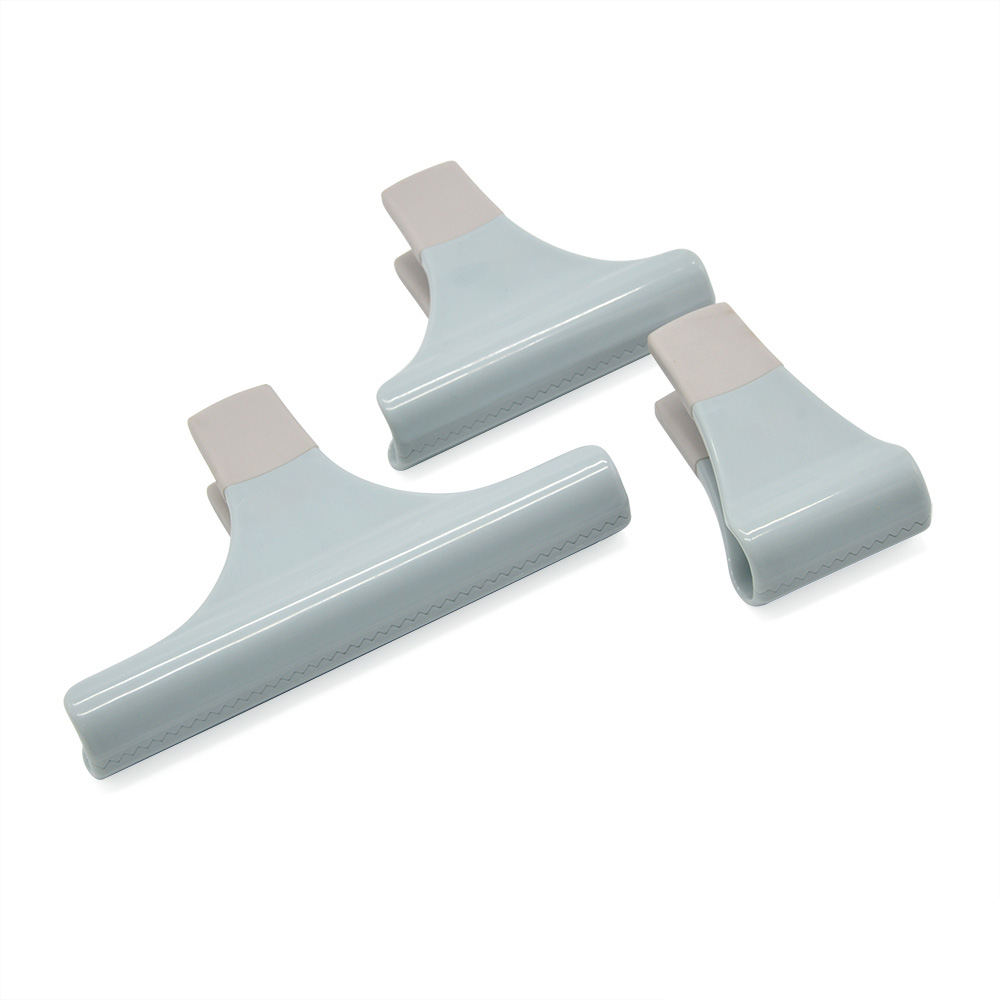
Sealing Clip Factory Guide: Quality, Custom Options and Supplier Questions
For packaging buyers, distributors and private-label brands, sealing clips look simple, but sourcing them well requires more than choosing a color from a catalog. A reliable clip must close securely, feel consistent in the hand and suit the bag, box or container it is intended to seal. The original article described a sealing clip factory focused on durable plastic and metal options, custom sizes, colors and materials, and applications from food packaging to industrial use. This rewritten guide turns those points into practical B2B sourcing advice so buyers can compare suppliers more confidently.
Key Takeaways
- Define the application first: food packaging, household storage, retail display and industrial packaging may need different clip shapes and materials.
- Ask the factory what materials, sizes, colors and custom tooling options are available instead of assuming standard specifications.
- Request samples and check closing force, hinge consistency, finish quality and packaging compatibility before placing a wholesale order.
- Do not rely only on unit price; review quality control process, communication speed, lead time questions and after-sales support.
What a Sealing Clip Factory Typically Produces
A sealing clip factory produces clips designed to hold packaging closed and help reduce spills, leakage or exposure after a bag or container has been opened. Common use cases include snack bags, coffee or tea pouches, frozen food bags, household storage, retail packaging and certain non-food industrial packaging needs. Some buyers need a simple reusable clip for consumer sale, while others need a clip that is packed with another product as an accessory.
The source article mentioned plastic and metal as possible material directions. In practice, buyers should confirm the exact material with the supplier, because performance can vary by polymer type, metal thickness, spring design, surface finish and intended environment. A clip used in a kitchen drawer does not face the same stress as a clip attached to heavy industrial packaging or repeated retail demonstrations.
How to Define Your Sourcing Requirements
Before contacting a sealing clip manufacturer, prepare a short product brief. This helps the supplier judge whether an existing mold is suitable or whether a custom solution should be discussed. A clear brief also reduces sample rounds and prevents misunderstandings about size, color and packaging.
- Application: State whether the clip is for food packaging, household storage, retail resale, promotional use or industrial packaging.
- Bag or container type: Share the width, thickness and material of the package that needs to be sealed.
- Expected use: Clarify whether the clip is disposable, reusable, opened frequently or stored in cold, humid or dry conditions.
- Appearance needs: List preferred color, shape, finish and any branding request.
- Commercial questions: Ask about MOQ, sample cost, tooling cost, lead time, packing method and shipping terms instead of assuming they are standard.
Custom Sealing Clips: Size, Color and Material Choices
Customization was a central point in the original article, especially the ability to specify size, color and material. For B2B buyers, customization should begin with function, not decoration. A clip that is too short may not seal a wide pouch; a clip that is too stiff may frustrate end users; a clip that is too soft may not hold the package closed after repeated use.
Color customization can support retail branding, product category coding or promotional programs. However, buyers should ask whether colors are matched to a reference standard, whether there may be tolerance between batches and whether custom colors affect lead time. If a logo or brand mark is required, ask what marking methods are available and request a pre-production sample for approval.
Material selection should be treated carefully. If the clip may contact food packaging, ask the supplier what material information and applicable compliance documents can be provided for the target market. If the clip will be used in industrial packaging, ask about strength, temperature limits, corrosion concerns for metal parts and expected life cycle under realistic use conditions. The factory should be able to explain what it can provide, but buyers should verify any required compliance independently.
Comparison Checklist for Evaluating Suppliers
| Evaluation Area | What to Check | Questions to Ask the Supplier |
|---|---|---|
| Product fit | Clip length, grip, opening angle and compatibility with the target package | Can you provide samples for our bag size before mass production? |
| Material options | Plastic or metal direction, finish, durability and intended use | What exact materials are available, and what documents can you provide? |
| Customization | Color, size, branding, packaging and possible mold changes | Which options use existing tooling, and which require new tooling? |
| Quality control | Consistency of closing force, hinge action, surface finish and defect handling | What inspections are performed during and before shipment? |
| Commercial terms | MOQ, sample process, lead time, payment terms and packing | What are the current order requirements and production timelines? |
| Communication | Response speed, technical clarity and willingness to document details | Can you confirm specifications and tolerances in writing? |
Quality Checks Before a Wholesale Order
Sealing clip quality is often judged during everyday use, so sample testing should copy the real situation as closely as possible. Do not only look at the clip on a desk. Apply it to the actual packaging, open and close it repeatedly, shake the bag gently and check whether the clip shifts, cracks, bends or becomes difficult to use.
For plastic clips, inspect molding lines, sharp edges, warping, color consistency and hinge strength. For metal clips, check edge finishing, spring behavior where applicable, surface condition and whether any part may damage the packaging. If the clip is intended for retail sale, also review the visual presentation, barcoding needs and individual or bulk packing method.
It is reasonable to ask a supplier how defective goods are identified, how production lots are tracked and what happens if shipped products do not match the approved sample. Avoid vague answers. Even when no special certification is required, a professional manufacturer should be able to describe its inspection steps clearly.
Balancing Price, Durability and Brand Use
The lowest quotation is not always the best value. A sealing clip that fails quickly can create customer complaints, repacking costs or damage to the buyer’s brand. At the same time, over-specifying the clip can add unnecessary cost. The goal is to match the clip to its real function.
For a simple household clip sold in bulk, cost efficiency and consistent appearance may be the priority. For a clip included with premium food packaging, color accuracy, smooth finish and a strong user experience may matter more. For industrial use, sealing strength and resistance to repeated handling may be more important than decorative options. Share your priorities with the factory so it can recommend a practical direction rather than guessing.
Practical FAQ for Buyers
What information should I send to a sealing clip factory first?
Send photos or drawings of the package, required clip size, target material direction, color needs, estimated order quantity, destination market and packaging method. If available, send a physical sample of the bag or existing clip.
Can sealing clips be customized for private-label or retail programs?
Often yes, but available options depend on the factory’s existing molds, marking methods and production setup. Ask whether size, color, logo and retail packaging can be customized, and request samples before approval.
How do I know whether plastic or metal is better?
Choose based on the package type, required grip, appearance, environment and budget. Ask the supplier to compare available options and provide samples for testing on your actual packaging.
What should I avoid when sourcing sealing clips?
Avoid placing a bulk order based only on photos. Also avoid unclear specifications, unconfirmed colors, no approved sample, and missing agreement on defect handling, packing and lead time.
Should I ask about certifications?
If the clip is used with food packaging or sold in a regulated market, ask what documentation the supplier can provide and verify requirements for your destination market. Do not assume compliance without written evidence.
Final Sourcing Advice
A good sealing clip factory should help buyers turn a simple closure idea into a practical product that fits the package, the brand and the budget. Focus discussions on application, material, size, color, quality control and commercial terms. By testing samples and asking precise questions, buyers can reduce risk and select custom sealing clips that perform reliably in real use.
