




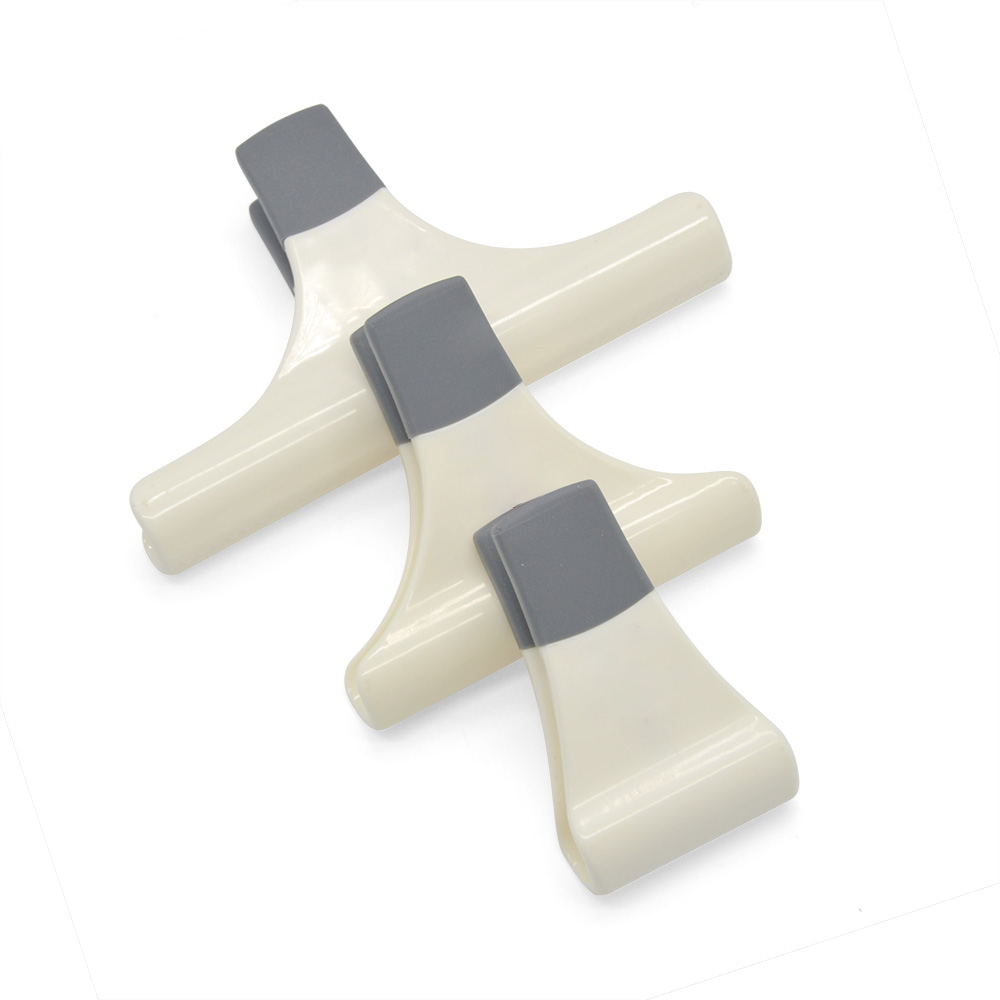
Sealing Clip Factory: Expert Production & Quality
Sealing clips are simple kitchen accessories, but for importers, retailers, distributors, and private-label buyers, sourcing them well requires more than choosing a shape or color. A sealing clip factory should be evaluated on product design, plastic selection, production consistency, packaging options, quality control, and communication. The end product must help consumers close opened food bags, organize kitchen storage, and reduce exposure to air and moisture during everyday use.
The original role of sealing clip factories is clear: they manufacture accessories that help maintain the freshness of food products. As demand grows for convenient food storage solutions, plastic sealing clip manufacturers continue to develop practical products for household and commercial applications. This guide explains how to assess a supplier without relying on unsupported claims or vague marketing language.
Key Takeaways
- A reliable sealing clip factory should explain its material choices, production process, quality checks, and packaging capabilities clearly.
- Buyers should verify food-contact suitability, durability expectations, and any required documentation before placing bulk orders.
- Product design matters: grip strength, mouth width, hinge feel, surface finish, and usability affect customer satisfaction.
- Magnetic bag clips can add kitchen utility, but buyers should confirm magnet strength, placement, and packaging safety with the supplier.
What a Sealing Clip Factory Produces
A sealing clip factory typically produces plastic clips used to close bags for snacks, grains, coffee, frozen food, pet food, and other dry or chilled storage needs. Some clips are narrow and lightweight for small packets; others have a wider mouth for thicker folded bags. The original article also notes that modern sealing clips often use smooth curves and wider openings to improve function and appearance.
For B2B buyers, the important question is not only whether a clip looks acceptable in a catalog. It is whether the factory can make the same product repeatedly at a quality level suitable for your sales channel. A supermarket house brand, promotional item, online marketplace listing, and kitchenware retail line may all require different packaging, color control, barcode labeling, and inspection expectations.
Core Production Considerations
Sealing clip production involves design, material selection, molding, assembly if required, inspection, and packing. Many sealing clips are made from plastic because it is lightweight, colorable, and suitable for a wide range of household storage products. The original source states that factories prioritize durable, food-safe plastics. Buyers should still ask the supplier to identify the specific plastic used and provide any documents needed for the target market.
Key production details to discuss include mold condition, color matching process, surface finish, hinge or spring structure if applicable, and how the factory checks grip performance. If the product includes a magnet, such as a magnetic bag clip, buyers should ask how the magnet is fixed, whether it is enclosed or exposed, and how the factory prevents loose parts during production and shipment.
Comparison Checklist for Supplier Evaluation
| Evaluation Area | What to Check | Questions to Ask the Supplier |
|---|---|---|
| Material | Plastic type, color consistency, suitability for intended use | What material is used, and can you provide relevant food-contact documentation if required? |
| Design | Mouth width, grip strength, edges, curves, opening comfort | Do you have standard designs, and can samples be tested with common bag thicknesses? |
| Production Control | Molding stability, defect handling, batch consistency | What in-process checks are performed during production? |
| Magnetic Function | Magnet position, holding force, secure assembly | How is the magnet attached, and how do you inspect it before packing? |
| Packaging | Retail card, bulk pack, set pack, labeling needs | Can you support our packaging format and provide artwork guidelines? |
| Commercial Terms | MOQ, lead time, sample policy, payment terms | What are the current MOQ, sample cost, production lead time, and shipping options? |
How to Judge Product Quality Before Bulk Orders
Samples are essential. A sealing clip may look correct in a photo but feel weak in use. Test samples with different bag materials: thin snack packs, thicker frozen food bags, paper coffee bags with plastic lining, and folded dry goods bags. Open and close each clip repeatedly to check whether the hinge, grip, or spring remains stable.
- Check the clip edges for sharpness, burrs, or uncomfortable pressure points.
- Measure whether the mouth width matches your intended packaging use.
- Test grip on empty and partially filled bags.
- Compare color and finish across multiple samples, not just one piece.
- For magnetic bag clips, test them on a refrigerator or metal surface under realistic conditions.
- Review packaging samples to confirm count, labeling, barcode placement, and carton protection.
For wholesale sourcing, ask whether pre-shipment inspection is allowed and what acceptance criteria will be used. If your market requires specific safety or food-contact documentation, request it before confirming the order rather than after production is complete.
Plastic Sealing Clips and Magnetic Bag Clips
Plastic sealing clips are popular because they are lightweight, reusable, and easy to produce in different colors and sizes. They are used in modern households for everyday food storage and kitchen organization. Some manufacturers also offer magnetic bag clips, which combine the sealing function with the ability to attach to a metal surface for quick access.
When sourcing magnetic versions, avoid assuming all products perform the same way. Magnet size, placement, and the weight of the clip affect usability. A clip that seals a small snack bag may not be appropriate for heavy bags or thick folded packaging. Buyers should define the intended use clearly and request samples that match the final production design.
OEM, Wholesale, and Private-Label Questions
If you are sourcing from a sealing clip factory for OEM or wholesale distribution, prepare a concise specification sheet. Include target size, color, material expectations, packaging type, quantity range, market destination, and any documentation required by your customer or local regulations. If you need a logo, ask whether it is printed, molded, labeled, or applied through packaging only.
Important questions include: What standard models are available? Is custom tooling required for a new shape? What is the current lead time after artwork approval? How are defective items handled? Can the factory pack assorted colors? What carton size and weight should the buyer expect? These practical details often determine whether a supplier is suitable for repeat orders.
Practical FAQ
What makes a sealing clip factory reliable?
A reliable factory can explain its materials, production process, inspection steps, sample policy, packaging options, and commercial terms. It should answer technical and order-related questions consistently.
Are plastic sealing clips suitable for food storage?
They are commonly used to close food bags, but buyers should confirm the plastic type and request any food-contact documentation required for the destination market.
What should I test in a sealing clip sample?
Test grip strength, opening comfort, edge smoothness, mouth width, hinge durability, color consistency, and packaging quality. For magnetic clips, also test magnet holding performance.
Can a supplier make custom colors or packaging?
Many factories may offer color or packaging options, but buyers should ask about MOQ, color matching method, artwork requirements, sample approval, and any additional cost.
What information should I provide for a wholesale quotation?
Provide product type, size, quantity, packaging format, logo needs, destination market, documentation requirements, and preferred shipping terms so the supplier can quote accurately.
Final Sourcing Advice
A sealing clip is a small item, yet quality problems can affect reviews, returns, and repeat orders. Treat sourcing as a structured process: define the application, compare samples, verify supplier answers, and confirm packaging before mass production. A good sealing clip factory should help buyers understand the product rather than rely on broad claims. With clear specifications and practical testing, buyers can select plastic sealing clips or magnetic bag clips that fit their market and storage needs.
