




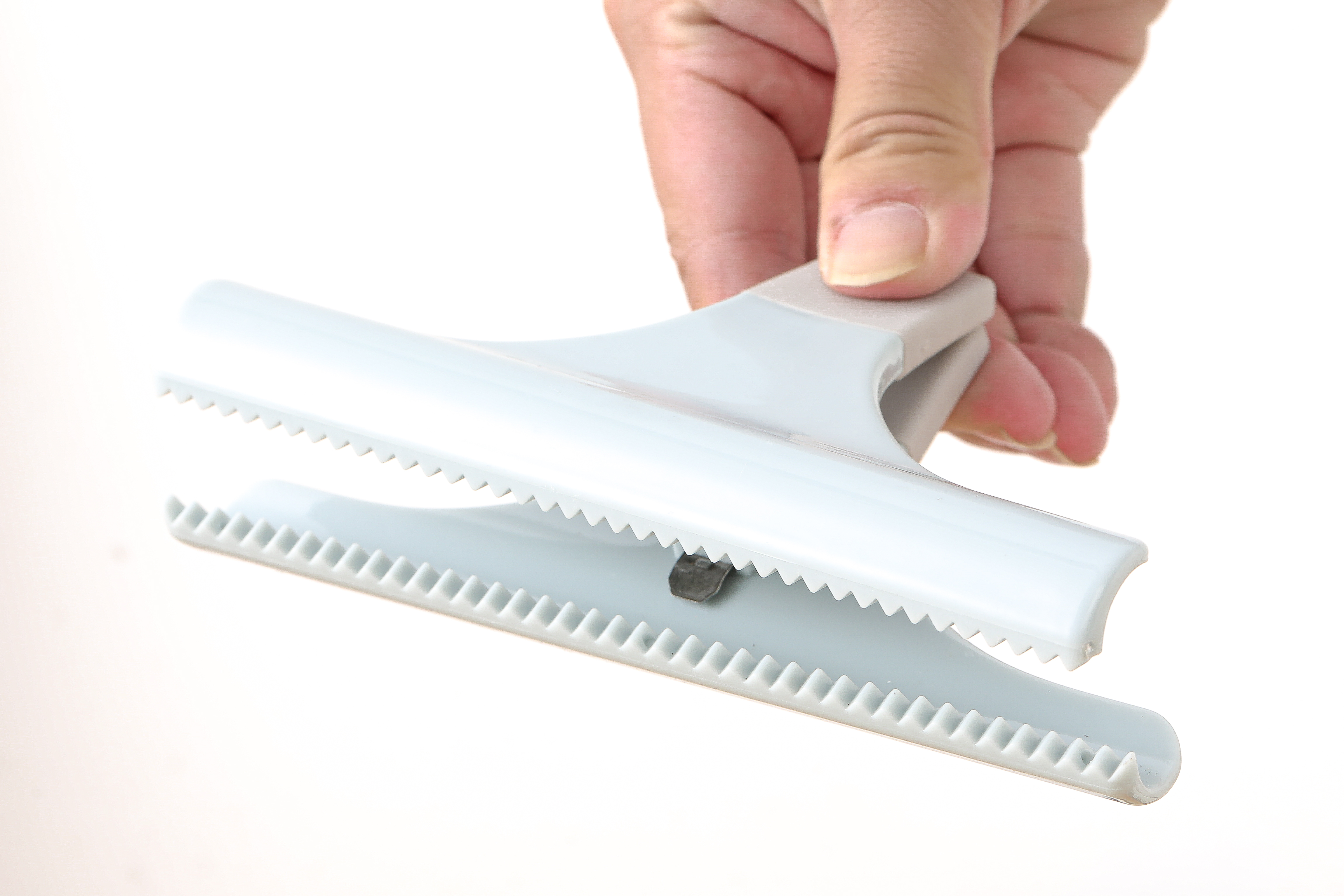
Sealing Clip Factory: Manufacturer and Custom Sourcing Guide
Sealing clips are small components, but they can have a direct impact on packaging reliability, storage convenience, enclosure security and end-user experience. For B2B buyers, the challenge is not only finding a sealing clip factory, but also confirming whether the manufacturer can make the right product consistently, document quality clearly and support the level of customization required for the application.
This guide explains how to evaluate sealing clip manufacturers, compare standard and custom options, and prepare better questions before placing an OEM, wholesale or private-label inquiry. It is written for sourcing teams, distributors, brand owners and product developers who need practical guidance rather than broad marketing claims.
Key Takeaways
- A good sourcing process starts with the application: food packaging, storage, electrical enclosures, automotive-related use or another specific need.
- Plastic and metal sealing clips may serve different performance, cost and durability requirements.
- Custom sealing clips can involve shape, size, material, color, branding or packaging changes, but every change should be confirmed with drawings and samples.
- Buyers should ask suppliers about quality control, tolerances, tooling, sample lead time, production lead time and packaging before ordering.
What a Sealing Clip Factory Typically Provides
A sealing clip factory usually focuses on producing clips that help close, fasten or seal bags, containers, covers or housings. Depending on the design, the clip may support an airtight or water-resistant closure, hold a cover in place, or prevent contents from spilling during handling. Applications can range from household packaging to industrial components, including packaging, automotive-related uses and electrical enclosures.
Factories may offer standard catalog products, customized versions of existing designs or fully custom tooling. A manufacturer with experience in different materials may produce plastic clips, metal clips or assemblies that combine more than one component. However, buyers should not assume that every factory can meet every performance requirement. The correct approach is to share the use case, working environment and expected function in detail.
Standard vs. Custom Sealing Clips
Standard sealing clips are useful when speed, lower development risk and simple procurement matter most. They may be suitable for general packaging or everyday storage products where existing dimensions and structures already fit the application. Custom sealing clips are more appropriate when the clip must match a unique container, fit a specific enclosure, carry brand elements or work under special conditions.
| Selection Point | Standard Sealing Clip | Custom Sealing Clip |
|---|---|---|
| Best for | Common packaging and general closure needs | Unique product dimensions or performance targets |
| Development time | Usually shorter if stock or existing tooling is available | Depends on design review, tooling and sampling |
| Design control | Limited to existing shapes and sizes | Can involve shape, size, material and finish choices |
| Buyer risk | Fit must still be verified with samples | Requires tighter drawing, prototype and approval process |
| Questions to ask | What sizes and materials are available? | What files, tolerances and tooling steps are required? |
Material and Design Considerations
The original sourcing question often begins with material. Sealing clips may be made from plastic or metal, and each option should be evaluated against the real application. Plastic clips may be preferred for lightweight packaging or consumer goods, while metal clips may be considered when strength, repeated use or a different appearance is required. The supplier should confirm which material options are available and whether they are appropriate for the intended working conditions.
Design is equally important. A clip that looks simple can fail if the hinge, grip area, locking structure or contact surface is not suitable. Buyers should check how the clip opens and closes, whether it is comfortable to handle, whether it damages the bag or enclosure, and whether it maintains closure after repeated use. If airtightness or water resistance is important, define how it will be tested rather than relying on general descriptions.
How to Evaluate a Sealing Clip Manufacturer
When comparing sealing clip manufacturers, look beyond product photos. Ask for information that helps you judge consistency, communication and production readiness. A capable supplier should be able to explain how it controls dimensions, handles incoming materials, inspects finished goods and manages packaging before shipment.
- Share drawings, samples or target dimensions before requesting a quotation.
- Ask whether the supplier recommends an existing model or a custom design.
- Request physical samples and test them with the actual bag, container or enclosure.
- Confirm expected tolerances, appearance standards and acceptable defect criteria.
- Discuss packaging method, labeling needs and carton strength for your distribution channel.
- Ask what information is needed before mass production approval.
If the supplier claims advanced machinery, strict quality control or high-volume capability, ask how those capabilities are verified in your order process. Practical evidence may include inspection steps, sample approval records, production photos, dimensional reports or agreed quality checkpoints. Do not rely on vague statements when the clip is critical to product performance.
Custom Sealing Clip Development Process
For custom sealing clips, the development process should be structured. Start with a clear requirement sheet covering application, dimensions, material preference, color, operating environment, expected usage cycles, packaging format and any branding needs. If the clip must connect to another part, provide the mating component or a precise drawing.
The supplier may review manufacturability and suggest changes to wall thickness, locking shape, radius, hinge area or tooling direction. This step is important because a design that works on paper may be difficult or costly to manufacture. Before committing to production, request prototypes or samples and test them in real conditions. Check closing force, sealing performance, user handling, surface finish and consistency across multiple samples.
Quality Checks Before Bulk Orders
Quality control should be discussed before the purchase order, not after a problem appears. For sealing clips, common inspection points include dimensions, color consistency, surface defects, burrs, deformation, opening and closing function, locking strength and packaging condition. If the product is intended to help protect contents from air or water, define the test method, sample size and acceptance standard with the supplier.
Buyers should also clarify how nonconforming products will be handled. Ask whether the factory provides pre-shipment inspection, whether third-party inspection is allowed, and what documents can be provided with the shipment. These questions do not assume any certification or performance result; they simply create a clearer basis for supplier comparison.
Practical FAQ
What information should I send to a sealing clip factory?
Send the application, target size, material preference, photos or drawings, quantity estimate, packaging requirements and any special performance needs such as airtight closure, water resistance or repeated opening and closing.
Can a manufacturer make custom sealing clips?
Many sealing clip manufacturers can discuss custom shapes, sizes or materials, but the exact capability depends on tooling, material availability and engineering review. Ask for the required drawing format, sample process and tooling details.
Should I choose plastic or metal sealing clips?
Choose based on the use case. Consider weight, strength, appearance, cost target, corrosion risk, handling feel and the environment where the clip will be used. Confirm available material options directly with the supplier.
How do I verify sealing performance?
Define the test with the supplier. For example, test the clip on the actual package or enclosure, under realistic handling and storage conditions, and agree on pass or fail criteria before production.
What should I ask before placing an OEM or wholesale order?
Ask about sample approval, production lead time, inspection steps, tolerances, packaging, labeling, payment terms, shipment method and how quality issues are resolved. Keep all confirmed requirements in writing.
Final Sourcing Advice
A sealing clip factory can be a valuable partner when it understands the application and communicates clearly. The best sourcing result comes from matching the clip design to the actual use, testing samples before bulk orders and documenting quality expectations. Whether you need a standard sealing clip or a custom solution, treat the component as a functional part, not only a low-cost accessory.
