




Sealing Clip Factory: Practical OEM Sourcing Guide
For retailers, kitchenware brands, distributors, and promotional product buyers, sourcing from a sealing clip factory is not only about finding a low unit cost. A sealing clip is a small household item, but it needs to perform consistently: closing food bags securely, helping keep contents fresh, reducing spills, and fitting smoothly into everyday kitchen storage routines. When the product is intended for wholesale, private label, or OEM projects, buyers also need to think about customization, packaging, quality control, and supplier communication.
The original product concept is straightforward: sealing clips are used to close packaging bags and support cleaner food storage. Some designs may include secure clip handles, serrated edges, or integrated cutting guides for opening and resealing bags. However, not every factory offers the same design, material, tooling, packaging, or customization capability. The best sourcing decision comes from asking clear questions before confirming an order.
Key Takeaways
- Choose a sealing clip factory based on product fit, quality process, communication, and customization options, not price alone.
- Confirm the clip style, material options, dimensions, color choices, and any cutting or serrated-edge features in writing.
- For OEM or private label orders, ask about tooling, engraving, logo placement, packaging, lead time, and approval samples.
- Request clear answers on quality inspection, carton packing, product consistency, and after-sales handling before placing a bulk order.
What a Sealing Clip Factory Typically Produces
A sealing clip factory focuses on producing clips designed to close opened bags, such as snack bags, dry goods packaging, coffee bags, pet food bags, or kitchen ingredient packs. The basic function is simple: apply pressure across the bag opening so the contents are better protected from air exposure, accidental spills, and pantry clutter.
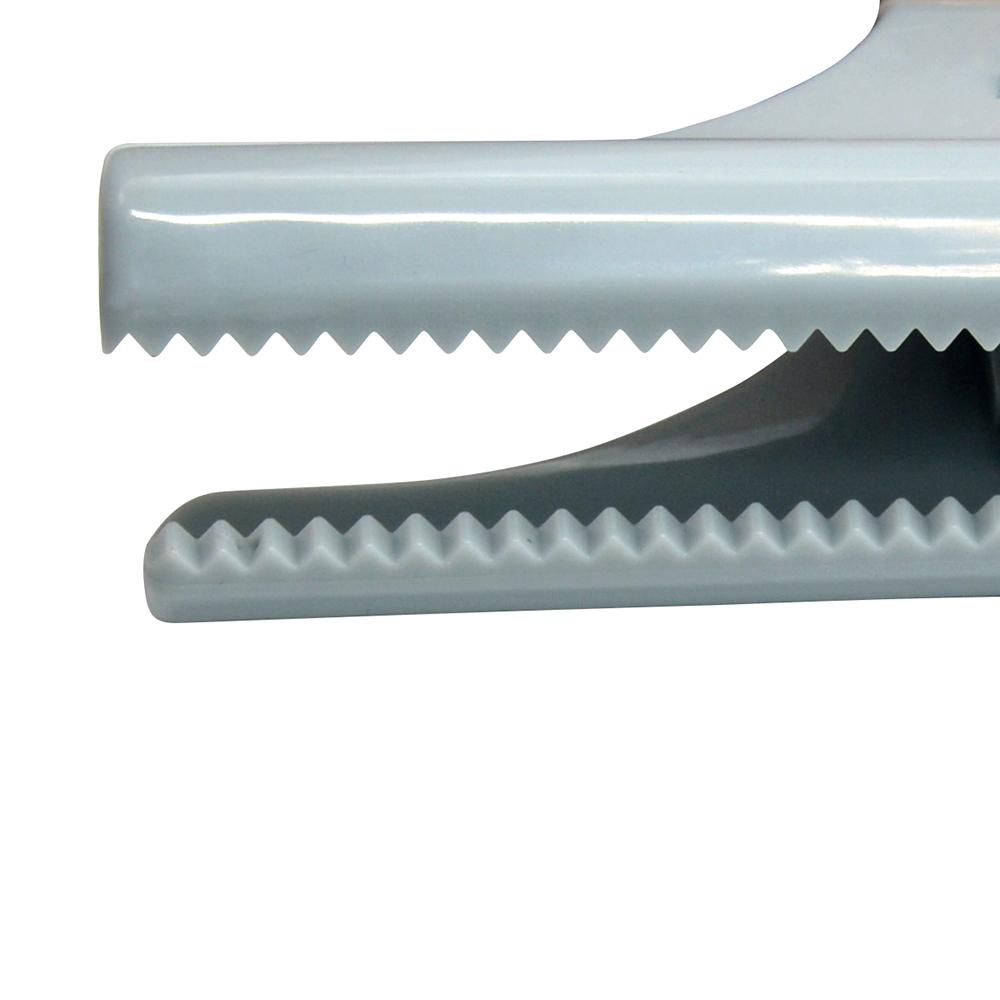
Depending on the design, a sealing clip may have a straight clamp shape, a wider grip, a hanging hole, a sliding mechanism, a serrated area, or a built-in cutting guide. The source material states that some sealing clip manufacturers focus on secure clip handles and serrated edges suitable for cutting and sealing different types of bags. If those features matter to your project, do not assume they are standard. Ask the supplier to show current product drawings, photos, samples, or tooling options.
How to Define Your Buying Requirement
Before contacting a factory, prepare a short sourcing brief. This helps the supplier quote accurately and reduces repeated clarification. A good brief should explain the intended sales channel, expected use case, preferred design, branding needs, packaging format, and target quality level.
- Use case: Will the clips be sold for home kitchens, food storage sets, commercial kitchen supply, promotional gifts, or retail multipacks?
- Design: Do you need a basic bag clip, a clip with a cutter, a serrated edge, a wide handle, or a special shape?
- Customization: Do you need a custom color, logo engraving, printed branding, or a private label package?
- Packaging: Will the product be packed individually, in sets, in blister cards, in cartons, or in display-ready retail packaging?
- Quality expectations: What should the clip withstand in normal use, and how will you inspect grip strength, hinge action, and surface finish?
Customization Options to Discuss
The original article notes that custom sealing clips may involve different shapes, materials, engraving, ergonomic handles, and bright colors. These are useful possibilities, but availability depends on the factory’s existing molds, development experience, and tooling process. Buyers should treat customization as a technical discussion, not just a design preference.
Ask whether the factory can work from your drawing, a reference sample, or a simple concept. If you want an ergonomic handle, confirm how the grip shape will be tested. If you need an engraved or printed logo, ask for the artwork format, printable area, color limitations, and whether branding affects the clip’s grip or opening action. If you want a unique shape or material, ask whether new tooling is required and how samples will be approved before mass production.
Comparison Checklist for Supplier Evaluation
| Evaluation Area | Questions to Ask the Factory | Why It Matters |
|---|---|---|
| Product design | Which sealing clip styles are already available? Are cutters, serrated edges, or wider handles optional? | Existing designs may reduce development time, while special features may require tooling. |
| Materials | What material options are offered for this clip, and what documentation can be provided? | Material choice affects durability, appearance, cost, and target market suitability. |
| Customization | Can you support logo engraving, custom colors, special shapes, or private label packaging? | Brand owners need predictable customization before confirming OEM plans. |
| Samples | Can you provide pre-production samples for size, grip, finish, and packaging approval? | Samples help prevent misunderstandings before bulk production. |
| Quality control | How do you inspect clip strength, hinge function, surface defects, and packing accuracy? | Small defects can cause returns, complaints, and inconsistent user experience. |
| Commercial terms | What are the MOQ, lead time, payment terms, carton details, and shipment options? | These details determine whether the supplier fits your buying plan. |
Quality Checks Before Bulk Orders
Sealing clips may look simple, but small differences in grip pressure, hinge movement, edge finish, and alignment can affect usability. Before confirming a production order, inspect physical samples in the way customers will actually use them. Open and close each clip repeatedly, test it on different bag thicknesses, and check whether the handle feels secure. If the clip includes a cutting or serrated feature, test it carefully and confirm whether instructions or warnings are needed for your market.
Also review the surface finish, color consistency, logo placement, and packaging accuracy. If your order is a multipack, confirm the number of pieces per set, color assortment, barcode placement, carton quantity, and carton markings. For B2B orders, it is reasonable to ask the factory how inspections are documented and whether pre-shipment photos, videos, or third-party inspection can be arranged.
Packaging, Branding, and Retail Readiness
Packaging can change how a small kitchen accessory performs commercially. A loose bulk pack may suit distributors or kit assemblers, while retail buyers may need printed cards, hang holes, display boxes, or private label packaging. Discuss packaging early because it affects quotation, lead time, carton size, and freight cost.
For branded programs, provide a complete packaging brief: logo files, colors, product name, barcode requirements, warning text if applicable, and destination market language. Avoid assuming that a factory will create compliant retail copy for your market. The buyer should confirm any labeling, claims, and import requirements with qualified professionals or local regulations.
Common Mistakes When Choosing a Sealing Clip Supplier
- Comparing only by unit price: A lower price may not include packaging, logo work, tooling, inspection, or stable material selection.
- Skipping samples: Photos cannot confirm grip strength, hinge feel, or comfort in the hand.
- Using vague customization requests: “Make it better” is not a specification. Provide dimensions, color references, and performance expectations.
- Ignoring cartons and logistics: Small products can become costly if packaging is bulky or carton details are unclear.
- Assuming every feature is standard: Cutters, serrated edges, engraved logos, and ergonomic handles should all be confirmed with the supplier.
Practical FAQ
What should I ask a sealing clip factory first?
Start with available designs, material options, customization capability, sample process, MOQ, lead time, packaging choices, and quality inspection methods.
Can sealing clips be customized for private label orders?
Often they can, but the exact options depend on the supplier. Ask about logo engraving or printing, custom colors, packaging artwork, and whether new tooling is needed.
How do I judge sealing clip quality from a sample?
Test grip strength on different bags, check repeated opening and closing, review surface finish, confirm edges are clean, and inspect logo and packaging accuracy.
Are sealing clips suitable for both household and commercial kitchen use?
They can be used in many storage environments, but buyers should match the design, size, and durability expectations to the intended user and confirm details with the supplier.
What information is needed for an accurate quotation?
Provide the target quantity, design, size, material preference if known, color, logo needs, packaging format, destination, and any inspection or shipping requirements.
Final Sourcing Advice
A reliable sealing clip factory should help you turn a simple kitchen storage item into a consistent, well-specified product. Focus on clear communication, approved samples, realistic customization, and documented quality expectations. When every detail is confirmed before production, sealing clips can serve retail, wholesale, promotional, and kitchenware programs with fewer delays and fewer surprises.
