




Sewing Scissors China: Practical Sourcing Guide for Buyers
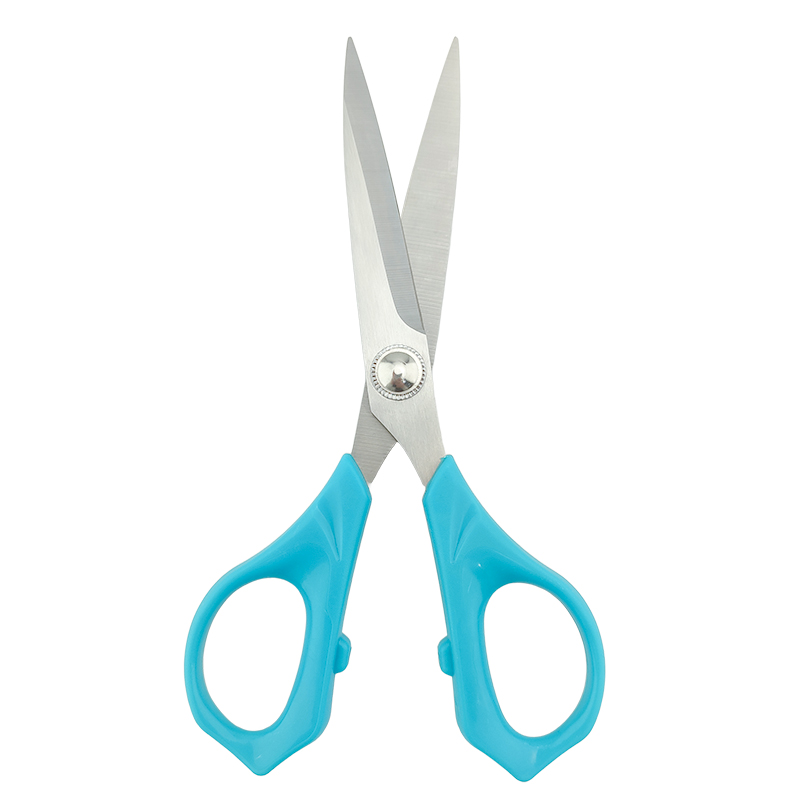
China remains one of the most active sourcing markets for sewing scissors, tailoring scissors, craft scissors, and related sewing tools. For importers, distributors, sewing kit brands, and private-label buyers, the opportunity is broad: many suppliers can produce a wide range of blade shapes, handle styles, colors, and packaging formats. The challenge is knowing how to compare products and suppliers without relying only on a catalog photo or a low unit quote.
This guide explains what to check when sourcing sewing scissors from China, how to evaluate a tailoring scissors manufacturer, and which questions to ask before placing a wholesale, OEM, or promotional order. It also uses the AquaGrip Precision Scissors as an example of the type of product details buyers should verify during sampling.
Key Takeaways
- Compare sewing scissors by cutting performance, handle comfort, pivot smoothness, finish, and packaging suitability.
- Do not assume blade grade, compliance status, or testing results unless the supplier provides written documentation.
- Samples should be tested on the actual materials your customers cut, such as cotton, denim, felt, thread, or craft fabric.
- For OEM orders, confirm artwork, color matching, packaging files, inspection criteria, and lead time before deposit.
Why China Is a Major Source for Sewing Scissors
China’s sewing tool supply chain is attractive because it supports both standard wholesale items and customized retail programs. Buyers can often source tailor scissors, embroidery scissors, thread snips, craft scissors, and sewing accessory sets from the same region or supplier network. This makes consolidation easier for brands that sell complete sewing kits or craft ranges.
However, a large supply base also means quality levels vary. Two scissors that look similar online may differ in blade alignment, edge sharpness, handle material, screw tension, polishing, or packaging strength. A professional sourcing process should therefore focus on verification rather than assumptions.
Product Features to Evaluate Before Ordering
Good sewing scissors should cut cleanly from the base of the blade to the tip. For fabric users, this matters because uneven cutting can pull threads, fray edges, and slow down production. Buyers should check the following points during sample review:
- Blade sharpness: Test several fabric types, not only thin paper.
- Tip accuracy: Fine-tip cutting is useful for trimming corners, appliqué, thread, and small pattern details.
- Pivot action: The opening and closing movement should feel smooth, not loose or gritty.
- Handle comfort: Ergonomic handles can reduce hand strain during repeated cutting.
- Surface finish: Inspect for burrs, uneven edges, scratches, or rough handle seams.
- Consistency: Test more than one sample if you plan to buy in volume.
The original AquaGrip Precision Scissors description highlights a stainless steel blade, a turquoise ergonomic handle, a reinforced pivot, and fine-tip accuracy. Those are useful product attributes, but a buyer should still ask for the exact blade material grade, handle material, hardness target, and production tolerances if those details are important for the intended market.
Supplier Comparison Checklist
When comparing a tailoring scissors manufacturer or trading supplier, use a structured checklist. This helps purchasing teams compare quotations more fairly and avoid choosing a supplier based only on the lowest price.
| Evaluation Area | What to Check | Questions to Ask |
|---|---|---|
| Product sample | Cutting feel, blade alignment, tip accuracy, handle comfort | Can the approved sample be sealed as the production standard? |
| Materials | Blade and handle material information | What is the exact material grade and can it be documented? |
| OEM options | Logo, color, packaging, barcode, instructions | What customization options are available and what are the artwork requirements? |
| Quality control | Inspection process, defect limits, sample retention | What checks are performed before shipment? |
| Commercial terms | MOQ, lead time, payment, carton details | What are the current MOQ and delivery schedule for this model? |
| Compliance | Market-specific documentation if required | Which test reports or declarations can the supplier provide? |
How to Review Samples Like a Professional Buyer
Request samples that match the quoted specification, not a generic showroom item. If your order requires a turquoise handle, retail card, logo print, or specific blade length, ask whether the sample reflects that exact configuration. If not, note what still needs approval.
During testing, cut woven cotton, thick fabric, thread, felt, or the materials your customers commonly use. Check whether the scissors cut cleanly at the tip, whether the blades separate under pressure, and whether the handle remains comfortable after repeated use. For B2B orders, it is wise to record sample comments in writing and share a clear approval sheet with the supplier.
OEM and Wholesale Sourcing Questions
For private-label or wholesale sewing scissors, commercial clarity is as important as product appearance. Before confirming an order, ask the supplier practical questions such as:
- What is the minimum order quantity for the standard product and for custom color or logo?
- Can the supplier provide packaging dielines and artwork guidelines?
- How is color matching handled for plastic or coated handles?
- What inspection standard will be used for blade sharpness, appearance, and packaging defects?
- Are spare samples kept for comparison if a dispute occurs?
- What export carton size, gross weight, and packing method will be used?
- Which documents are available for the destination market, if required by the buyer?
These questions do not imply that every supplier offers the same answers. They help buyers identify gaps early, especially when sourcing for retail chains, online marketplaces, sewing schools, or craft distributors.
Use and Care Guidance for End Users
Even well-made sewing scissors perform best when used correctly. If you are building a retail listing or instruction insert, include simple care advice. Recommend that customers use fabric scissors for fabric only, because cutting cardboard, wire, or adhesive materials can dull the edge. Scissors should be stored dry, kept away from children, and wiped clean after use. If the pivot becomes stiff, users should follow the supplier’s maintenance guidance rather than forcing the blades.
Clear care instructions reduce returns and help customers understand the difference between sewing scissors, craft scissors, kitchen scissors, and utility scissors.
FAQ
Are sewing scissors from China suitable for professional use?
They can be, but suitability depends on the specific supplier, materials, workmanship, and quality control. Always test samples on real fabrics before placing a bulk order.
What should I confirm before ordering OEM sewing scissors?
Confirm the blade specification, handle material, color, logo method, packaging design, MOQ, lead time, inspection criteria, and any destination-market documentation you require.
Can I rely on product photos to judge quality?
No. Photos show shape and style, but they cannot prove sharpness, pivot smoothness, blade alignment, or long-term comfort. A physical sample review is essential.
What makes the AquaGrip Precision Scissors relevant to buyers?
The product description mentions a stainless steel blade, turquoise ergonomic handle, reinforced pivot, and fine-tip accuracy. Buyers can use those points as a checklist and ask the supplier for exact supporting details.
How can I reduce risk when sourcing from a new scissors supplier?
Start with samples, define written specifications, confirm packaging, request pre-shipment inspection, and keep an approved sample as the benchmark for mass production.
