




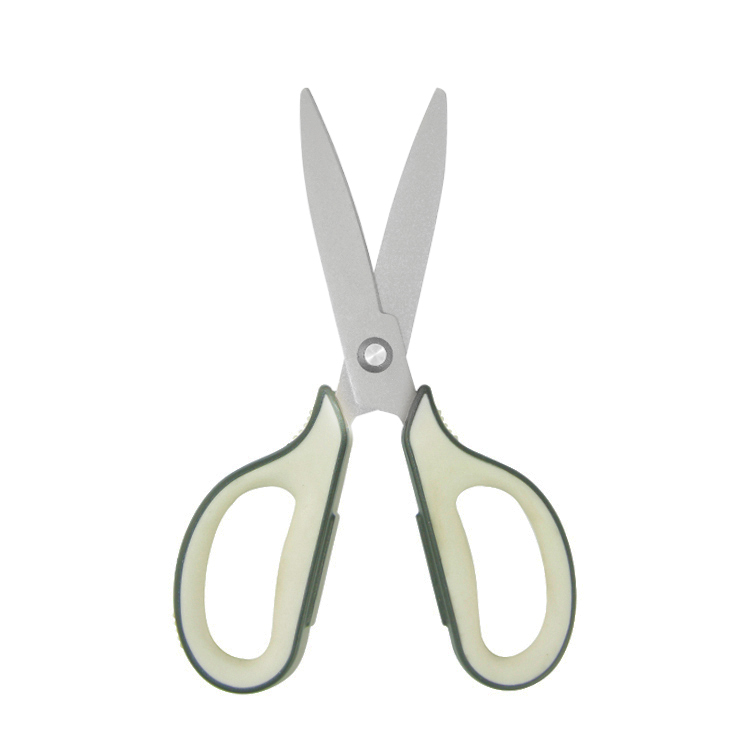
Sharp Office Scissors: Practical Sourcing Guide for Workplaces
Sharp office scissors are a small item, but they affect everyday productivity in offices, schools, studios, mailrooms, and stationery retail channels. A pair that cuts cleanly through paper, labels, packaging film, or light craft materials can reduce frustration and waste. A poor pair can bend paper, pinch fingers, loosen at the pivot, or become dull too quickly.
The original product introduction highlights sharp office scissors with stainless steel blades, ergonomic handles, and a dual-tone aesthetic. It also notes options for custom office scissors from a China scissors supplier. For buyers, distributors, and purchasing teams, the key question is not simply whether scissors look good on a desk. The better question is how to evaluate quality, consistency, customization, packaging, and supplier communication before placing an order.
Key Takeaways
- For office use, cutting smoothness, pivot stability, handle comfort, and blade durability matter more than appearance alone.
- Ask suppliers to confirm blade material, handle material, blade thickness, total length, packaging, and customization options in writing.
- Request samples before bulk purchasing, especially for wholesale, OEM, or branded stationery programs.
- Do not assume compliance, certifications, MOQ, or test results unless the supplier provides current documentation.
What Makes Office Scissors Suitable for Daily Use?
Office scissors are usually expected to handle routine cutting rather than heavy industrial tasks. Common uses include trimming paper, opening envelopes, cutting tape, shaping labels, preparing presentation materials, and light crafting. Because these tasks happen frequently, a good pair should feel controlled and predictable.
The blade should close evenly from the pivot to the tip. If there is a visible gap, cutting may be inconsistent. The pivot should be tight enough to prevent wobbling but not so tight that the scissors require excessive force. The handles should fit the intended user group, whether the scissors are for shared office drawers, school supply kits, administrative workstations, or retail stationery shelves.
For B2B sourcing, consistency across cartons is as important as the quality of a single sample. A buyer should compare multiple sample pairs, not just one carefully selected piece. Check whether each pair cuts the same way, whether the handles are smooth, and whether the finish is consistent.
Blade and Handle Features to Review
The source article describes stainless steel blades, which are commonly selected for office scissors because they can offer corrosion resistance and stable cutting performance when properly manufactured. However, buyers should ask the supplier to specify the exact material description used for the product, as well as any available test or inspection information. Avoid assuming a particular steel grade unless it is documented.
Handle comfort is also important. Ergonomic handles, as mentioned in the original text, can help reduce discomfort during repeated cutting. For office procurement, this matters for teams that cut documents, packaging, or craft materials throughout the day. The handle openings should be large enough for comfortable use and should not have sharp plastic edges or molding defects.
The dual-tone aesthetic described in the original article can be useful for retail display or corporate supply programs where appearance matters. Still, color should not distract from basic checks: blade alignment, handle strength, smooth opening and closing, and clean cutting action.
Comparison Checklist for Buyers
Before purchasing sharp office scissors in bulk, use a simple checklist to compare samples and supplier quotations. This helps prevent decisions based only on unit price or product photos.
| Item to Check | Why It Matters | Questions to Ask the Supplier |
|---|---|---|
| Blade material | Affects sharpness, durability, and corrosion resistance | What material is used, and can it be stated on the specification sheet? |
| Cutting performance | Determines daily usability | Can samples cut paper cleanly from base to tip without tearing? |
| Pivot stability | Loose pivots reduce precision | How is pivot tightness inspected during production? |
| Handle design | Influences comfort and safety | What handle material and size options are available? |
| Customization | Important for branding or retail lines | Can logo, color, packaging, or barcode requirements be supported? |
| Packaging | Protects goods and supports retail presentation | What standard and custom packaging options are available? |
| Quality documentation | Supports purchasing approval | Are inspection reports, product photos, or compliance documents available? |
Custom Office Scissors and OEM Questions
Custom office scissors may include logo printing, handle color selection, packaging design, barcode labels, instruction inserts, or product assortment planning. These options can be useful for stationery brands, promotional suppliers, corporate gift distributors, and office supply wholesalers.
When discussing customization with a China scissors supplier or any manufacturing partner, be specific. A vague request such as “make it high quality” is difficult to verify. Instead, prepare a short product brief. Include target length, blade finish, handle color, packaging format, intended market, quantity estimate, and any retail labeling needs.
Buyers should ask practical commercial questions early:
- What is the minimum order quantity for standard colors and for custom colors?
- What logo methods are available, and where can the logo be placed?
- Can the supplier provide a pre-production sample for approval?
- What artwork format is required for packaging or branding?
- How are defective units handled if they are found after receipt?
- What export carton size and gross weight apply to the selected packaging?
Do not assume timelines, pricing, or certifications. Ask for written confirmation and keep approved samples for comparison when the bulk order arrives.
How to Evaluate a Scissors Supplier
A reliable supplier should communicate clearly and provide product details without overpromising. For sharp office scissors, useful information includes product dimensions, blade material, handle material, packaging method, available colors, customization limitations, lead time estimate, and inspection process. If a supplier claims a certification or test result, request a current copy and verify that it applies to the exact product being purchased.
Sample evaluation should be structured. Cut several sheets of standard copy paper, a shipping label, thin card stock, and tape. Listen for scraping or grinding sounds. Check whether the scissors return smoothly after repeated use. Inspect the blade tips for alignment and the handles for cracks, burrs, or uneven surfaces.
For wholesale buyers, carton-level consistency is critical. Ask whether production is inspected by batch and whether photos or videos can be provided before shipment. If your market has specific packaging, labeling, or safety requirements, confirm them with your compliance team rather than relying on general supplier statements.
Use and Care for Longer Service Life
Even sharp office scissors need basic care. Use them for suitable materials only. Office scissors are generally not designed for wire, thick plastic, metal strapping, or other hard materials. Cutting unsuitable items can damage the blade edge or loosen the pivot.
- Keep scissors dry after use, especially if they contact adhesive, moisture, or coated materials.
- Wipe adhesive residue from the blades with a suitable cloth and cleaner.
- Store scissors closed in a drawer, holder, or retail sleeve to protect the tips.
- Do not drop them, as impact can affect blade alignment.
- Assign separate scissors for tape or glue-heavy tasks if possible.
For shared office environments, it may be practical to keep several pairs in fixed locations: reception, printer area, packing station, and meeting room. This reduces misuse and makes it easier to identify when replacements are needed.
FAQ
What are sharp office scissors best used for?
They are best used for paper, envelopes, labels, tape, light card, and general desk tasks. They should not be treated as heavy-duty cutting tools unless the supplier specifically states that use case.
Can office scissors be customized for a brand?
Often, yes. Custom office scissors may support logo, handle color, or packaging changes. Buyers should ask about MOQ, artwork requirements, sample approval, and any extra cost before ordering.
How should I compare samples from different suppliers?
Use the same cutting tests for each sample, inspect blade alignment, check handle comfort, and record any defects. Comparing multiple pieces from each supplier gives a more realistic view than testing only one pair.
Should I choose the lowest-priced scissors?
Not automatically. A lower price may be acceptable for some programs, but buyers should also consider cutting performance, packaging quality, consistency, supplier communication, and after-sales handling.
What should I ask a China scissors supplier before bulk ordering?
Ask for product specifications, sample availability, customization options, packaging details, estimated lead time, quality inspection process, and any relevant documentation for your target market.
Final Sourcing Advice
Sharp office scissors are simple products, but successful purchasing depends on clear specifications and disciplined sample review. Focus on blade performance, handle comfort, pivot stability, packaging, and supplier transparency. For OEM or wholesale projects, put every important requirement in writing and approve a physical sample before production. This approach helps buyers select scissors that are practical for daily office use and suitable for reliable supply programs.
