




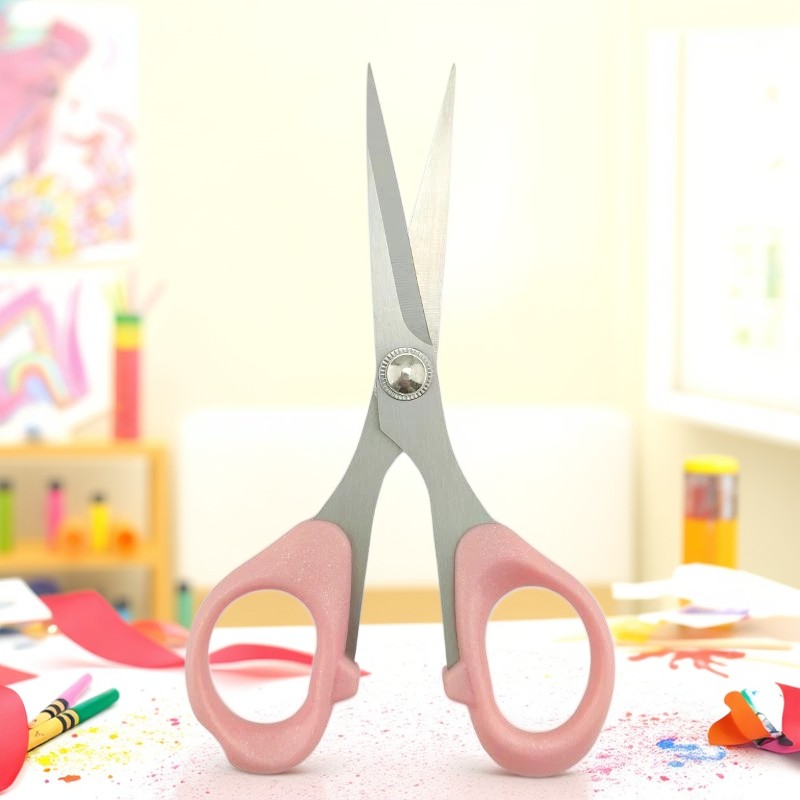
Sharp Sewing Scissors: Precision and Style Combined
Sharp sewing scissors are one of the most important tools in a sewing kit. A clean cut affects seam accuracy, fabric handling, pattern matching, and the final appearance of a garment or craft project. When scissors drag, chew, or shift fabric layers, even a carefully marked pattern can lose precision.
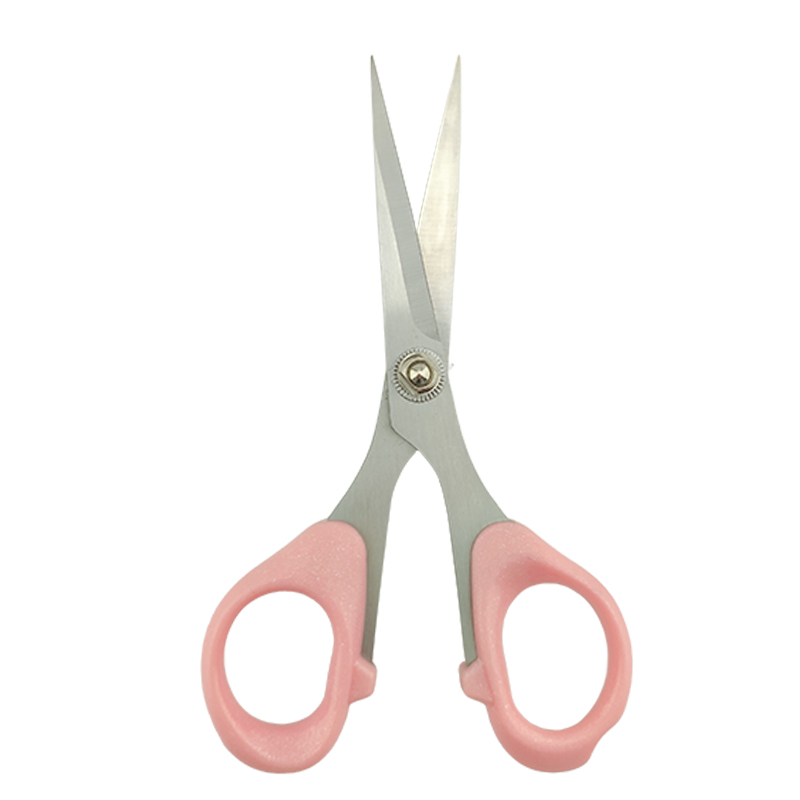
The scissors discussed here are designed for sewing, tailoring, crafting, and general trimming tasks. The original product description highlights razor-sharp stainless steel blades, pastel pink handles, a soft textured grip, a compact design, and an adjustable central screw for blade alignment. Those details make them suitable for users who want a practical cutting tool that is comfortable to handle and easy to store.
Key Takeaways
- Sharp sewing scissors help produce cleaner fabric edges and more accurate cutting lines.
- Stainless steel blades, as stated in the original product information, support reliable everyday cutting performance.
- Pastel pink ergonomic handles with a soft texture can improve comfort during longer cutting sessions.
- An adjustable central screw is useful for maintaining blade alignment and smooth movement.
- Good use and care habits are essential: reserve sewing scissors for fabric, store them dry, and avoid cutting paper or wire.
Why Sharp Sewing Scissors Matter
Fabric is not like paper. It can stretch, fray, slip, compress, or shift as you cut. Sharp sewing scissors reduce the amount of force needed, which helps the blades glide through woven fabric, lightweight cloth, linings, felt, and many craft materials. This can be especially helpful when cutting curves, notches, darts, and small pattern pieces.
Dull scissors can create uneven edges and loose threads. They may also cause hand fatigue because the user has to squeeze harder to complete each cut. For beginners, this can make sewing feel more difficult than it needs to be. For experienced tailors and crafters, it can slow down production and create extra cleanup work.
Blade Performance and Cutting Accuracy
The original product description states that these scissors use razor-sharp stainless steel blades. For sewing use, blade sharpness is important because the scissor tips and cutting edge must both perform well. A good pair should be able to start a cut cleanly, continue smoothly along a marked line, and finish without snagging fabric at the tip.
When assessing sewing scissors, consider the materials you cut most often. Lightweight cotton, linen, dress fabrics, interfacing, and felt may place different demands on the blade. If you regularly cut thick layers, upholstery textiles, or specialty materials, ask the supplier whether the scissors are suitable for those uses. Do not assume that all sewing scissors are designed for heavy industrial cutting.
Comfort, Grip, and Handle Design
Comfort matters because cutting is a repeated motion. The pastel pink handles described in the original article give the scissors a distinctive appearance, but the more important feature is usability. A soft textured handle can help reduce slipping and improve control, especially during longer sessions.
Ergonomic handling is also about fit. A handle that feels comfortable for one person may not be ideal for another. Before buying multiple pairs for a workshop, classroom, or sewing team, check whether the handle size suits different users. If possible, test the opening width, finger space, and cutting motion. The goal is controlled cutting without wrist strain or excessive squeezing.
Adjustable Central Screw: What It Does
The adjustable central screw is a useful feature because it affects blade tension and alignment. If the screw is too loose, the blades may separate slightly and fold fabric instead of cutting it. If it is too tight, the scissors may feel stiff and tiring to use. Proper adjustment helps the blades meet cleanly from the pivot point to the tip.
Users should adjust carefully and in small increments. After adjustment, test the scissors on scrap fabric rather than on a final pattern piece. If the blades still do not cut properly after cleaning and careful adjustment, they may need professional sharpening or replacement.
Comparison and Selection Checklist
Choosing sewing scissors is easier when you compare practical details rather than relying only on appearance. Use the checklist below when selecting a pair for home sewing, craft work, tailoring, or small workshop use.
| Selection point | Why it matters | What to check |
|---|---|---|
| Blade sharpness | Supports clean cuts and reduces fabric drag | Test on scrap fabric and look for smooth edges |
| Blade material | Affects durability and maintenance needs | This product is described as having stainless steel blades |
| Handle comfort | Reduces fatigue during repeated cutting | Check grip texture, finger space, and hand fit |
| Blade alignment | Helps the scissors cut from pivot to tip | Look for smooth movement and an adjustable screw |
| Storage size | Important for sewing boxes and mobile kits | Confirm that the compact design suits your kit |
| Intended use | Prevents damage from unsuitable materials | Reserve for fabric and ask about thicker materials if needed |
Best Uses for These Sewing Scissors
These sharp sewing scissors are best suited to fabric cutting, tailoring preparation, craft trimming, and detail work where control is important. Their compact design makes them convenient for a sewing box, craft kit, classroom station, or home workspace. They may also be useful for finishing tasks, such as trimming threads or refining small fabric pieces, depending on the project.
For best results, assign one pair specifically to fabric. Many sewing problems begin when fabric scissors are used on paper patterns, cardboard, plastic packaging, adhesive materials, or wire. Those materials can dull or damage the cutting edge, making the scissors less effective when you return to fabric.
Use and Care Tips for Longer Service
- Wipe the blades after use, especially if cutting linty or treated materials.
- Store the scissors in a dry place to reduce the risk of surface corrosion or residue buildup.
- Keep them closed when not in use to protect the tips and cutting edge.
- Avoid dropping them, as impact can affect blade alignment or tip accuracy.
- Use scrap fabric to test sharpness before cutting final pattern pieces.
- Adjust the central screw only when needed, and make small changes.
- Consider professional sharpening if the blades become dull but the scissors are otherwise in good condition.
Buying Notes for Sewing Groups and Small Workshops
If you are purchasing scissors for a sewing class, craft business, tailoring shop, or workshop, evaluate them with real usage in mind. Ask the supplier practical questions before placing a larger order: What materials are the scissors intended to cut? Are replacement or sharpening recommendations available? How should the central screw be adjusted? Is packaging suitable for storage or resale? Are there care instructions for end users?
For wholesale, OEM, or branded sourcing, avoid relying on assumptions. Confirm product dimensions, packaging, labeling, color options, inspection standards, and any required documentation directly with the supplier. If compliance, testing, or certifications are important for your market, request current documents rather than assuming they are included.
FAQ
Can these scissors cut thick fabric?
They are described as suitable for delicate and tough materials, but the exact thickness limit is not specified. Test on scraps first and ask the supplier if you plan to cut heavy textiles regularly.
Should I use sewing scissors for paper patterns?
It is better not to. Cutting paper can dull fabric scissors over time. Keep a separate pair for paper patterns and packaging.
What is the benefit of the adjustable screw?
The screw helps control blade tension and alignment. Proper tension allows smoother cutting and better contact between the blades.
How do I know when scissors need sharpening?
If they push fabric, leave jagged edges, snag at the tips, or require extra force, cleaning, adjustment, or sharpening may be needed.
Are pastel pink handles only decorative?
The color is an appearance feature, but the original description also notes a soft textured handle intended to improve comfort and reduce slipping.
Final Thoughts
A reliable pair of sharp sewing scissors can make cutting more accurate, comfortable, and predictable. This product’s stated stainless steel blades, ergonomic pastel pink handles, compact form, and adjustable central screw cover the main features many sewers look for. The best results will still come from proper use: keep them dedicated to fabric, store them carefully, and maintain blade alignment over time.
