




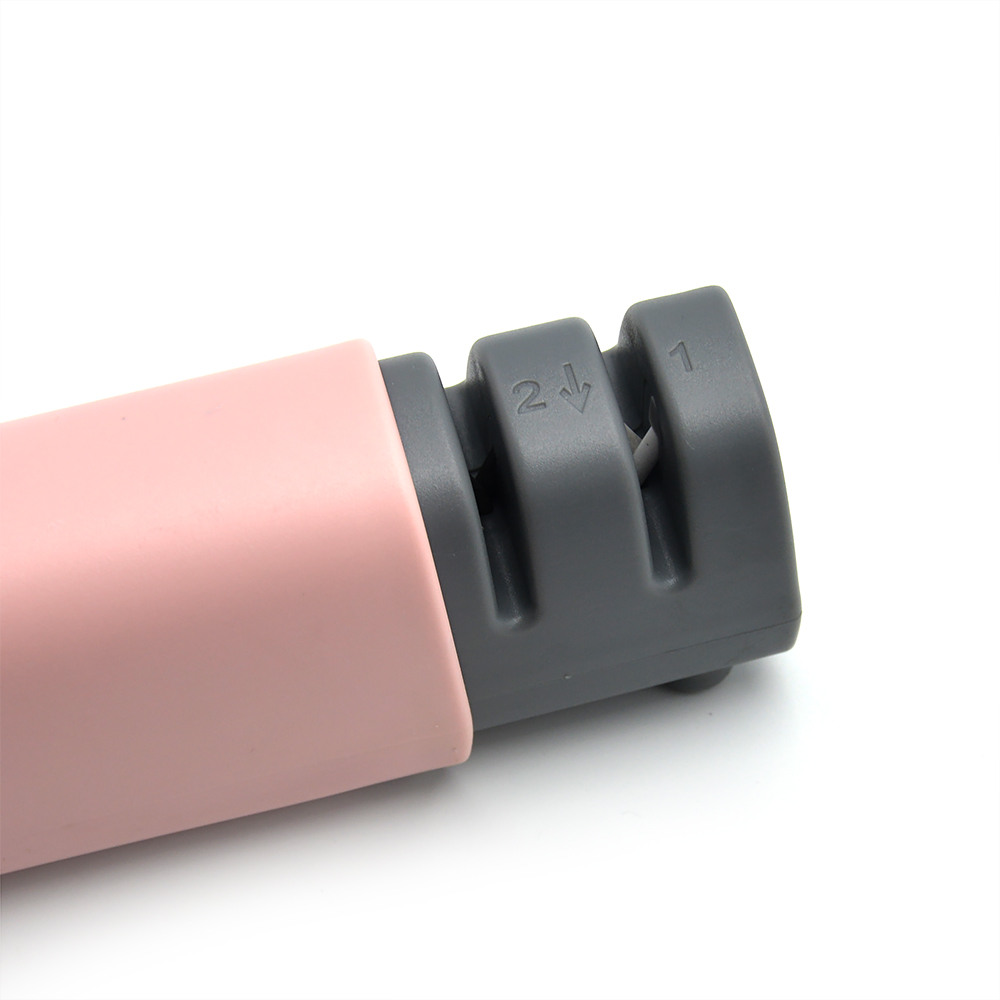
Sharpener Factory: Choosing Reliable Suppliers & Innovations
A pencil sharpener is a small product, but for retailers, stationery brands, distributors, school suppliers, and promotional product buyers, it can create large sourcing headaches if quality is inconsistent. A sharpener that breaks pencil lead, dulls quickly, jams, or leaves shavings everywhere may look inexpensive on a quotation sheet, but it can cause complaints after delivery. Choosing the right sharpener factory is therefore not only about unit price. It is about matching product design, materials, inspection standards, packaging, and communication to the market you serve.
This guide explains how to evaluate a sharpener supplier for wholesale, OEM, or private-label projects. It also reviews common product options, key quality questions, and practical steps for building a more reliable long-term supply relationship.
Key Takeaways
- Start sourcing by defining the intended user: student, office worker, artist, classroom, or promotional recipient.
- Ask factories how they control blade sharpness, pencil fit, shaving removal, assembly consistency, and packaging durability.
- Compare manual, multi-hole, battery-operated, and electric sharpeners by use case rather than price alone.
- Do not rely only on catalog photos; request samples, test with different pencils, and document performance expectations.
- For OEM or wholesale orders, clarify customization, lead time, inspection process, carton details, and after-sales handling before placing a bulk order.
The Foundation of a Good Pencil Point
The original purpose of a sharpener is simple: create a clean point without wasting the pencil or breaking the lead. In practice, that depends on several details working together. The blade must cut smoothly, the pencil entry hole must hold the pencil at the correct angle, the casing must be stable, and the shavings container, if included, should fit securely. A weak point in any of these areas can affect the user experience.
Manual pocket sharpeners are often used by students or for low-cost stationery sets. Desktop manual sharpeners may be preferred in classrooms or offices where stability matters. Electric and battery-operated models are chosen when speed and convenience are more important. Because each use case has different expectations, buyers should begin by identifying how the product will be used, how often it will be used, and whether it will be sold as a standalone item or bundled with pencils, erasers, rulers, or art supplies.
How to Evaluate a Sharpener Factory
A reliable sharpener factory should be able to explain its production workflow in practical terms. Buyers do not need to know every engineering detail, but they should understand how the supplier checks incoming materials, controls blade installation, tests finished units, and handles defective items. For manual sharpeners, consistent blade positioning is essential. For electric models, buyers should also ask about motor performance, power source, assembly safety checks, and how the supplier tests for jamming or overheating during normal use.
Price comparisons are useful, but they should be based on equal assumptions. A quote may differ because of casing material, blade type, packaging, accessory parts, color customization, inspection level, or carton packing method. Instead of asking only for the lowest price, provide a clear product brief and request a quotation that separates standard features from optional upgrades.
Product Types and Sourcing Considerations
Different sharpener designs serve different markets. A supplier with a broad catalog may offer pocket-sized manual sharpeners, sharpeners with shaving containers, multi-hole models for different pencil diameters, battery-operated units, and electric sharpeners for offices or classrooms. The right choice depends on the buyer's channel and end user.
| Sharpener type | Best suited for | Key sourcing checks |
|---|---|---|
| Single-hole manual sharpener | Basic school sets, promotional packs, low-cost stationery | Blade alignment, casing strength, lead breakage rate, bulk packing quality |
| Multi-hole manual sharpener | Art pencils, colored pencils, mixed stationery ranges | Hole diameter accuracy, clean cutting on different pencil sizes, container fit |
| Manual sharpener with container | Students, home desks, office drawers | Shavings capacity, lid security, ease of emptying, plastic durability |
| Battery-operated sharpener | Home, school, mobile office use | Power requirements, motor consistency, jamming resistance, battery compartment design |
| Electric desktop sharpener | Classrooms, offices, high-frequency use | Motor performance, noise, shaving bin capacity, safety features, packaging protection |
Materials, Blades, and Quality Control Questions
The original article notes that high-carbon steel may be used for blades and durable plastics or metals may be used for casings. When sourcing, buyers should not assume these details apply to every model. Ask the supplier which blade material is used for the exact item quoted, whether alternatives are available, and how blade sharpness is inspected. Also ask whether replacement blades are available for any model that requires service or long-term use.
Useful quality-control questions include:
- What pencil sizes and pencil types are used during factory testing?
- How many sharpening cycles are checked during routine inspection?
- How does the factory detect dull blades, loose screws, cracked casings, or poor container fit?
- For electric models, what functional checks are performed before packing?
- Can the supplier provide pre-shipment inspection photos, videos, or third-party inspection support if requested?
Buyers should also test samples with the pencils commonly sold in their own market. Standard graphite pencils, colored pencils, softer art pencils, and budget pencils may behave differently. A sharpener that works well with one pencil may not perform equally with another.
Innovation in Sharpener Design
Modern sharpener design focuses on convenience, cleanliness, and wider compatibility. Multi-hole sharpeners help users sharpen pencils of different diameters. Larger shavings containers reduce how often the product needs to be emptied. Battery-operated and electric models reduce effort in classrooms, offices, or high-use environments. Some designs also focus on easy-grip bodies, transparent containers, compact storage, or shapes suitable for children's stationery ranges.
For B2B buyers, innovation should be evaluated through the lens of market fit. A novelty shape may attract attention, but it still needs to sharpen reliably. A large electric model may look professional, but it may not suit a low-cost school supply tender. Before approving a new design, compare the feature to the user's actual need, the target price, packaging space, and expected return rate.
OEM, Private Label, and Wholesale Planning
If you plan to customize a sharpener, prepare a written specification before contacting suppliers. Include product type, target market, preferred colors, logo position, packaging style, estimated order quantity, and any required retail labeling. Because factories may have different customization options, ask which parts can be customized and whether new tooling, artwork setup, or sample approval is required.
Commercial details should be confirmed directly with the supplier rather than assumed. Ask about minimum order quantity, sample cost, production lead time, payment terms, packaging options, carton dimensions, spare parts, and how defects are handled after delivery. If your market requires specific safety, labeling, or import documentation, ask the supplier what documents they can provide for the exact model and order. Do not treat general claims as proof; match documentation to the product being purchased.
Building a Long-Term Supplier Relationship
A strong supplier relationship reduces sourcing risk over time. After the first order, track defect feedback, customer comments, packaging damage, delivery timing, and consistency between samples and bulk goods. Share this information with the factory in a structured way. Good suppliers can use clear feedback to adjust inspection points, improve packing, or recommend a more suitable model.
For repeat orders, maintain an approved sample, artwork file, packaging specification, and inspection checklist. This helps prevent misunderstandings when staff change or when a product is reordered months later. A dependable sharpener supplier should communicate clearly, respond to technical questions, and be willing to confirm details in writing before production begins.
Practical FAQ
What should I test when receiving sharpener samples?
Test several pencil types, check whether the point is clean, count how often leads break, inspect the shavings container, and review packaging strength. For electric models, test repeated use and check for jamming under normal conditions.
Is the lowest-priced sharpener usually the best choice for wholesale?
Not necessarily. A lower price may reflect simpler materials, fewer inspections, basic packaging, or reduced customization. Compare total value, including defect risk, user experience, and suitability for your sales channel.
What information should I give a sharpener factory for OEM work?
Provide product type, estimated quantity, target price range, logo requirements, color references, packaging artwork needs, market destination, and any compliance or labeling requirements your business must meet.
How can I reduce quality problems before shipment?
Approve a reference sample, create a checklist, confirm packaging details, and request pre-shipment inspection. For larger or higher-risk orders, consider arranging an independent inspection before the goods leave the factory.
Which sharpener type is best for schools or offices?
For frequent use, desktop manual or electric models may be more practical than small pocket sharpeners. The best option depends on use frequency, budget, noise expectations, ease of emptying, and maintenance needs.
