




Sharpener Factory: How Buyers Can Source High-Quality Knife Sharpeners
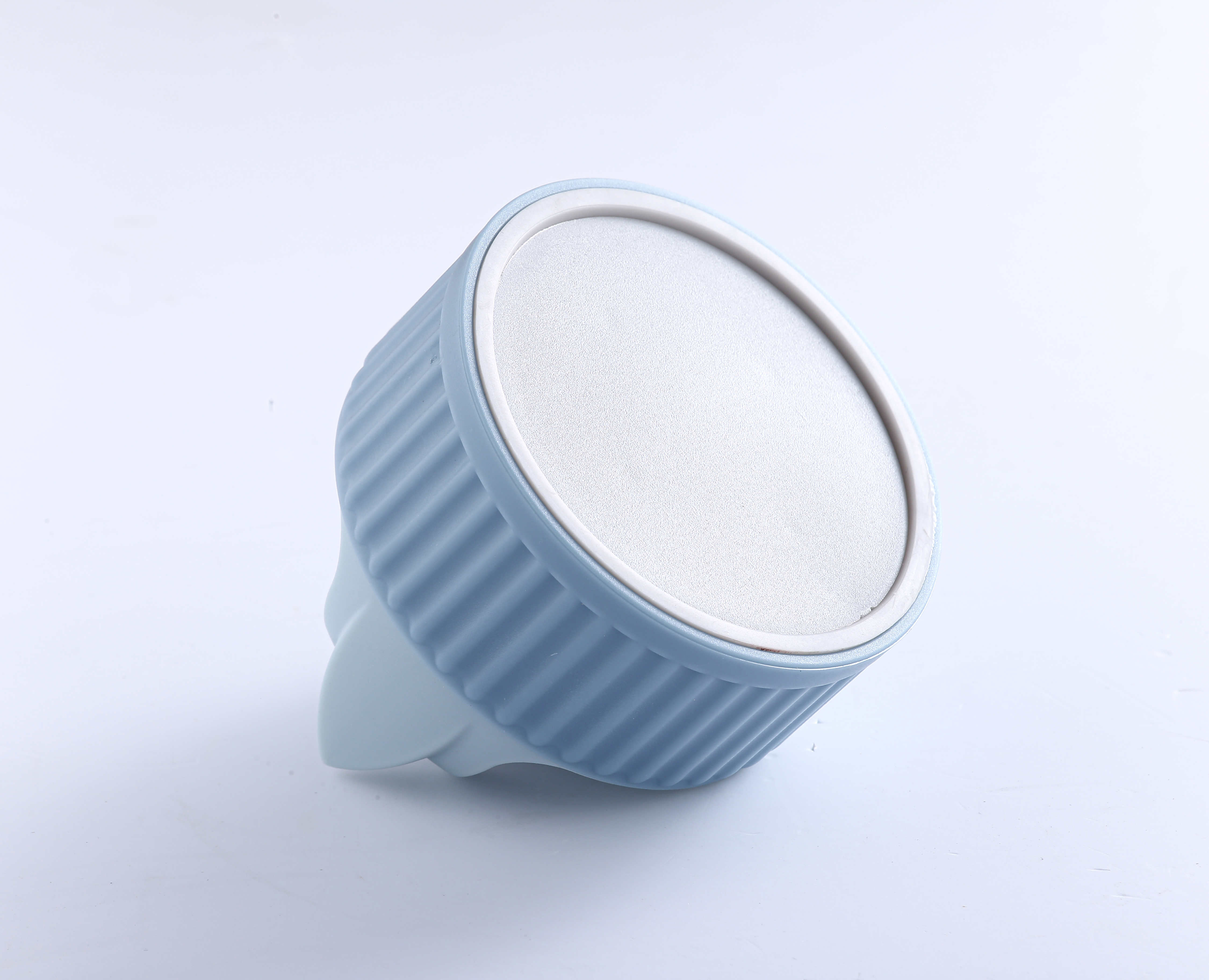
For retailers, kitchenware brands, distributors, and OEM buyers, choosing a sharpener factory is not only about finding a product that looks good on a shelf. A knife sharpener must be safe to handle, consistent in use, simple for consumers to understand, and durable enough for repeated sharpening tasks. The original Bonet Houseware article highlights a 3-stage knife sharpener with coarse diamond rods, ceramic stones, a final polishing stage, a grip-friendly base, and a ribbed finish. This guide expands that topic into a practical sourcing checklist for buyers who need to compare suppliers with care.
Key Takeaways
- A 3-stage knife sharpener should clearly separate edge resetting, honing, and polishing functions.
- Buyers should verify materials, durability, packaging, instructions, and safety details before placing orders.
- Do not rely only on product appearance; request samples and test sharpening performance on common kitchen knives.
- For OEM or wholesale sourcing, ask the supplier about customization options, quality control process, lead time, MOQ, and after-sales support.
What a Sharpener Factory Buyer Should Evaluate First
A reliable sharpener supplier should be able to explain how the product is designed, how each sharpening stage works, and how quality is checked before shipment. For a manual knife sharpener, buyers should look at the full user experience: how the handle feels, whether the base remains stable, whether the slots are clearly labeled, and whether the product can be used safely by non-professional consumers.
If you are sourcing for retail or private label programs, request product samples before discussing large-volume orders. Test the sharpener with knives of different conditions: dull edges, lightly worn edges, and blades that only need a finishing pass. Document the results and compare several suppliers under the same conditions. This approach provides better sourcing evidence than brochure claims alone.
Understanding the 3-Stage Knife Sharpener Design
The featured product is described as a 3-stage knife sharpener. This type of design is popular because it separates the sharpening process into clear steps. The first stage uses coarse diamond rods to reset the blade's edge. This is typically the stage used when a knife is noticeably dull and needs more aggressive edge correction.
The second stage uses ceramic stones to refine and hone the edge. This step can help smooth the rougher edge created by the coarse stage. The final stage is intended to deliver a polished finish for cleaner cutting. For end users, the benefit of a staged system is that they do not need to guess which abrasive to use for every task, as long as the instructions are clear.
When evaluating a 3-stage sharpener factory, ask whether the supplier can provide clear user guidance for each slot. Poor instructions can lead to misuse, unnecessary blade wear, or customer complaints. For private label projects, confirm whether the supplier can adapt the instruction sheet, packaging text, or slot labels for your sales market.
Comparison Checklist for Sourcing Knife Sharpeners
| Evaluation Area | What to Check | Questions to Ask the Supplier |
|---|---|---|
| Sharpening stages | Coarse, honing, and polishing functions are easy to identify. | What material is used in each slot, and how should each stage be used? |
| Stability | The base feels grip-friendly and stable during normal use. | How is slip resistance checked during production or inspection? |
| Ergonomics | The handle or body shape is comfortable for common hand positions. | Can you provide samples for user handling tests? |
| Finish and appearance | The ribbed finish and outer surface are consistent and free from obvious defects. | What cosmetic defect standards are used before packing? |
| Packaging and instructions | Retail box, manual, warnings, and usage steps are clear. | Can packaging be customized for OEM or wholesale orders? |
Quality Control Points Before Wholesale Orders
Before confirming a wholesale order, buyers should create a practical inspection checklist. The checklist should include visual inspection, slot alignment, body assembly, base stability, packaging accuracy, and instruction clarity. If the product is intended for a specific market, ask the supplier what documentation is available and what testing the buyer may need to arrange independently.
It is important not to assume a material grade, certification, or test result unless the supplier provides evidence. Ask for the latest product specification sheet, material information, packaging artwork, and any available test reports. If your business requires compliance with a particular regulation or retailer standard, confirm responsibilities in writing before production begins.
OEM and Private Label Questions to Ask
Many buyers searching for a sharpener factory are interested in OEM, private label, or customized packaging. Commercial details vary by supplier and project, so buyers should ask direct questions rather than making assumptions. Useful questions include:
- What customization options are available for color, logo placement, packaging, and instructions?
- What is the minimum order quantity for standard products and customized versions?
- What is the normal sample lead time and production lead time?
- How are in-process inspections and final inspections handled?
- Can the supplier provide product photos, packaging dielines, or instruction templates for review?
- What are the payment terms, shipping terms, and procedure for handling defective goods?
These questions help buyers compare suppliers on process reliability, not just unit cost. A low quote can become expensive if packaging is unclear, defect standards are not agreed, or the product does not match the approved sample.
How to Test Samples in a Real Kitchen Setting
Sample testing should be simple, repeatable, and documented. Use the same knife types for each supplier sample where possible. Start by checking the product body for sharp plastic edges, loose parts, uneven finish, or poor balance. Then test the sharpener on a stable countertop. The grip-friendly base should help reduce movement during normal sharpening, but buyers should still observe how it performs with different hand pressure.
For the 3-stage design, test each slot separately according to the supplier's instructions. Check whether the coarse stage removes too much material, whether the ceramic stage feels smooth, and whether the final stage improves the cutting feel. After testing, clean the product as instructed and check whether residue is easy to remove. These details influence customer satisfaction and return rates.
Choosing a Sharpener Supplier for Long-Term Programs
A good sourcing decision balances product performance, communication, quality consistency, packaging support, and delivery planning. For kitchenware distributors and brand owners, the supplier should respond clearly to technical questions and provide consistent samples. If the supplier cannot explain the product structure, inspection method, or customization limits, that may create risk later.
For long-term programs, consider starting with a controlled order before scaling up. Keep an approved sample, approved packaging file, and written quality standard. These references make future production easier to manage and reduce disagreement if product details change.
FAQ
What is the advantage of a 3-stage knife sharpener?
A 3-stage sharpener separates coarse edge resetting, honing, and final polishing. This gives users a clearer process for maintaining different levels of blade dullness.
Are coarse diamond rods and ceramic stones suitable for all knives?
They are common in manual sharpeners, but suitability depends on the knife type and the supplier's instructions. Buyers should ask which knives are recommended or not recommended.
What should OEM buyers confirm before ordering?
Confirm customization scope, MOQ, lead time, packaging requirements, inspection standards, sample approval process, and how quality issues will be handled.
How can buyers avoid overclaiming product performance?
Use only verified supplier information and your own test results. Avoid claiming certifications, material grades, or performance results unless documentation supports them.
Why does the base design matter?
A grip-friendly base can improve stability during use. Buyers should test it on common countertop surfaces and include stability in sample evaluation.
