




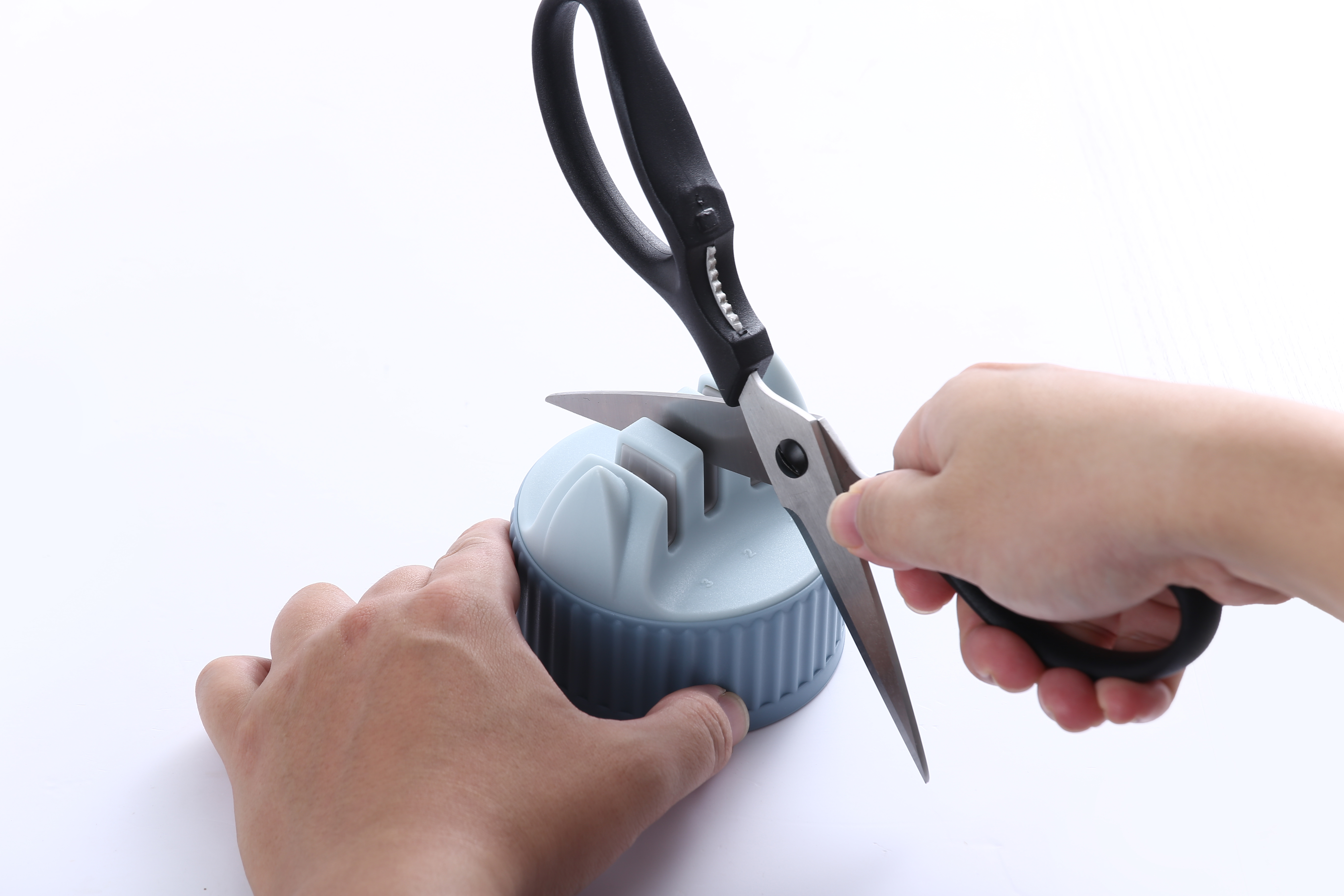
Sharpener Factory: How B2B Buyers Can Evaluate High-Quality Suppliers
A sharpener factory plays an important role in the kitchenware supply chain. For distributors, importers, private-label brands, and promotional product buyers, the goal is not simply to find a low unit price. The better question is whether a supplier can deliver sharpeners that are consistent, safe to use, suitable for the target market, and supported by clear production and quality processes.
The original article highlighted several useful ideas: sharpener factories serve both professional and home kitchen needs, many products use abrasive materials such as tungsten steel or diamond abrasives, and buyers should assess durability, design, and supplier reliability. This rewritten guide expands those points into a practical sourcing checklist for wholesale and OEM buyers.
What a Sharpener Factory Typically Produces
Kitchen sharpeners come in several formats, including handheld pull-through sharpeners, compact countertop sharpeners, sharpening rods, manual multi-stage sharpeners, and electric sharpeners. A factory may specialize in one format or offer a broader kitchen tool catalog. Before contacting suppliers, buyers should define the intended retail channel, price segment, blade compatibility, and packaging expectations.
For example, a home-use sharpener may prioritize simple operation, compact storage, and an ergonomic grip. A professional kitchen buyer may focus on repeatable sharpening performance, stability during use, and clear instructions for different knife types. If the product is part of a private-label line, appearance and packaging consistency can be as important as the sharpening mechanism itself.
Key Materials and Sharpening Components to Discuss
The abrasive element is one of the most important parts of a sharpener. The source article mentioned tungsten steel and diamond abrasives, both commonly discussed in the sharpener category. However, buyers should not assume every model uses the same components. Ask the factory to confirm the abrasive material, the intended sharpening stage, the compatible blade types, and the expected use limitations.
Some sharpeners are designed for coarse edge repair, while others are meant for fine honing or routine maintenance. Multi-stage designs may combine different abrasive actions. Buyers should request product drawings, component descriptions, and usage instructions so that marketing claims match the actual product. Avoid broad claims such as professional-grade or universal unless the supplier can explain what the product can and cannot sharpen.
Supplier Evaluation Checklist
A reliable sharpener supplier should be able to answer operational questions clearly. The following checklist helps buyers compare factories without relying only on catalog photos.
| Evaluation Area | What to Ask | Why It Matters |
|---|---|---|
| Product range | Which sharpener types are currently produced? | Shows whether the factory fits your target channel. |
| Abrasive materials | Are components tungsten steel, diamond abrasive, ceramic, or another material? | Helps verify performance claims and positioning. |
| Customization | Can the factory support color, logo, packaging, or structural changes? | Important for OEM and private-label projects. |
| Quality control | What inspections are performed before shipment? | Reduces risk of inconsistent batches. |
| Documentation | Can the supplier provide product instructions and component details? | Supports accurate listings and customer education. |
| Commercial terms | What are the MOQ, lead time, sample policy, and payment terms? | Clarifies whether the project is commercially realistic. |
Quality Control Questions Before Ordering
Sharpener quality depends on more than appearance. A product may look attractive but perform inconsistently if the sharpening angle, abrasive placement, handle stability, or assembly tolerance is poorly controlled. Ask the supplier how they check incoming components, assembly accuracy, grip stability, and finished-product appearance.
Buyers should also request pre-production samples and compare them with mass-production samples later. If the order includes custom colors, such as an ice blue design or another branded color, confirm the approved color standard and ask how color consistency will be controlled. If an ergonomic handle is part of the product concept, test it with different hand sizes and usage angles rather than relying on photos.
OEM and Private-Label Sourcing Guidance
For OEM sharpener projects, clear specifications prevent misunderstandings. Provide the factory with a written brief that includes target market, use scenario, approximate retail positioning, color requirements, logo placement, packaging style, instruction language, and any testing or documentation your market requires. Do not assume the supplier knows your local retail rules or customer expectations.
A practical OEM brief should include:
- Target user: home cook, restaurant buyer, gift set customer, or outdoor user.
- Sharpener type: handheld, countertop, multi-stage, rod, or electric.
- Preferred abrasive components, if already defined.
- Branding requirements, including logo size and location.
- Packaging format, carton marking, and barcode requirements.
- Sample approval process and acceptable appearance standards.
- Questions about MOQ, production lead time, and spare parts support.
If the factory cannot confirm a detail immediately, that is not always a problem. What matters is whether the supplier answers transparently, offers samples, and avoids unsupported claims.
Balancing Design, Durability, and User Safety
Design matters because a sharpener must be easy to position and control. A stable base, comfortable grip, and intuitive sharpening direction can reduce misuse. The original article referred to ergonomic and aesthetic product design; in sourcing terms, buyers should translate that into measurable review points. Does the sharpener slip on a smooth countertop? Is the handle comfortable during repeated pulls? Are the sharpening slots easy to understand? Are there clear warnings for unsuitable knives?
Durability should also be evaluated through normal-use handling. Open and close packaging, inspect molded parts, check for loose components, and test repeated sharpening motions. If the supplier makes performance claims, ask how those claims are validated and whether the same checks apply to every production batch.
How to Compare Quotes Without Choosing Only the Lowest Price
Low pricing can be attractive, especially for wholesale programs, but it may hide trade-offs in abrasive quality, packaging thickness, inspection level, or after-sales support. When comparing quotes, make sure each supplier is pricing the same product structure, components, packaging, and customization scope.
Request a side-by-side quotation that separates tooling costs, sample costs, unit price, packaging cost, carton specifications, and estimated lead time. Ask whether the quote is based on an existing mold or a new customized design. For importers, carton size and gross weight can influence freight cost, so they should be reviewed alongside the product price.
Key Takeaways
- A sharpener factory should be evaluated on product consistency, component clarity, quality control, and communication.
- Ask suppliers to confirm abrasive materials, compatible knife types, and usage limitations.
- For OEM projects, provide a written brief covering design, packaging, branding, samples, and commercial terms.
- Do not rely on appearance alone; test comfort, stability, assembly, and sharpening usability.
Practical FAQ for Sharpener Buyers
What should I ask a sharpener factory first?
Start with product range, abrasive materials, customization options, MOQ, sample availability, lead time, and quality inspection process. These answers quickly show whether the factory matches your project.
Can I request a custom color or logo?
Many suppliers may offer color, logo, or packaging customization, but capabilities vary. Ask about the process, sample cost, approval method, and whether the customization affects lead time or MOQ.
Are tungsten steel and diamond abrasives the only options?
No. They are common terms in the category, but available materials depend on the product design. Ask the supplier to identify the abrasive component used in each sharpening stage.
How do I verify product quality before mass production?
Approve a physical sample, document the agreed specifications, and request a pre-shipment inspection. Compare production units with the approved sample for appearance, assembly, packaging, and basic usability.
Should a wholesale buyer choose the cheapest sharpener supplier?
Not automatically. Compare the full quotation, including components, packaging, inspection, customization, lead time, and communication reliability. A slightly higher unit cost may reduce complaints and replacement risk.
