




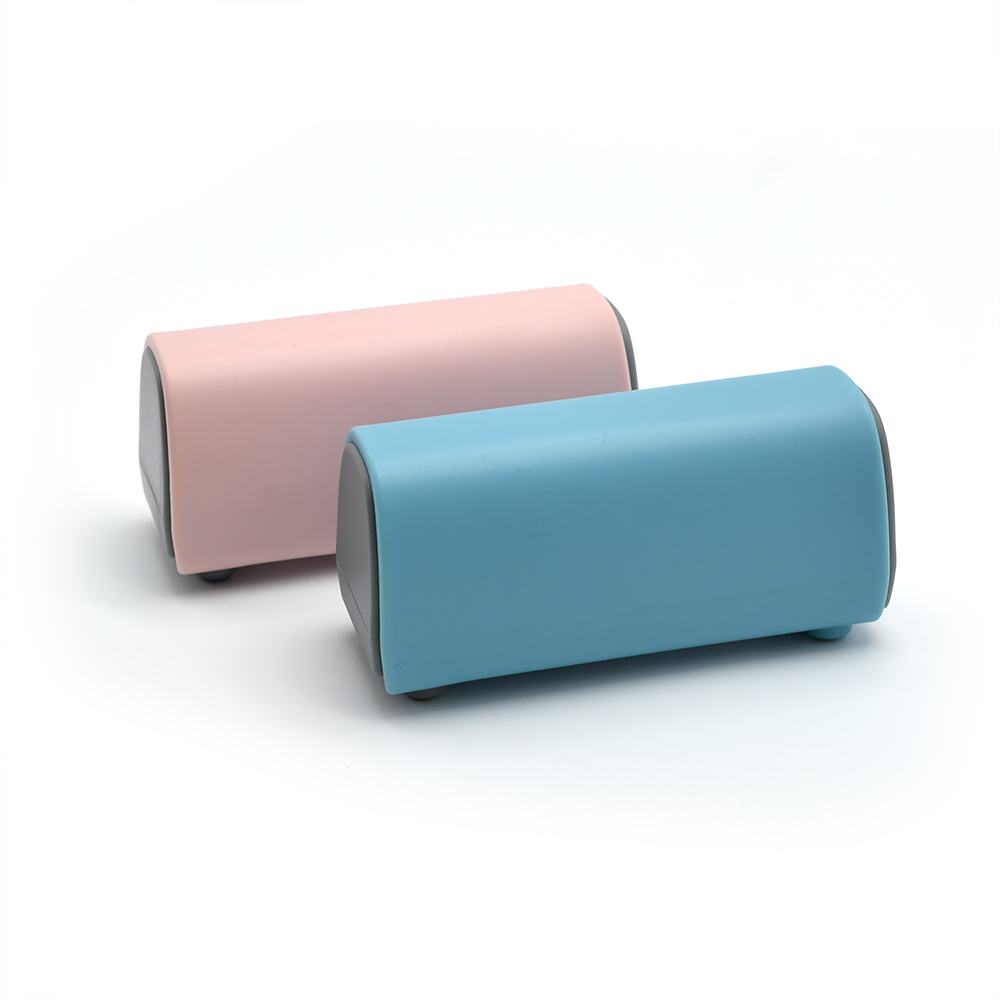
Sharpener Factory: Practical Sourcing Guide for Quality Buyers
A reliable edge matters in kitchens, workshops, outdoor kits, and retail tool assortments. For B2B buyers, however, choosing a knife sharpener is not only about how sharp a blade becomes on day one. It is also about repeatable production, safe handling, suitable abrasive choices, packaging consistency, and clear communication with the factory or supplier. The original promise of a sharpener factory is simple: turn raw materials and product concepts into useful sharpening tools. The sourcing work behind that promise deserves careful attention.
Key Takeaways
- Separate factory capabilities from supplier service before comparing offers.
- Ask for confirmed material, abrasive, packaging, and inspection details instead of assuming specifications.
- Match sharpener type to the intended user: home kitchen, professional food service, outdoor use, or workshop applications.
- Request samples and check consistency, safety, instructions, and carton durability before bulk ordering.
What a Sharpener Factory Actually Does
A sharpener factory is responsible for transforming product designs into finished goods. Depending on the product type, this may include abrasive component sourcing, body molding or assembly, handle fitting, labeling, packaging, and final inspection. Common sharpener categories may use diamond abrasives, ceramic elements, tungsten carbide components, or other sharpening surfaces, but buyers should always ask the supplier to confirm the exact material and construction of each model.
Good sourcing begins by understanding what the factory directly controls. Some manufacturers produce key parts in-house, while others assemble components purchased from specialized vendors. Neither model is automatically better. What matters is traceability, stable quality control, and the ability to explain how defects are prevented. When discussing a product, ask where critical parts come from, how they are checked, and what happens if a batch fails inspection.
Factory, Supplier, or Trading Partner: Know the Difference
The original article correctly notes that the supplier is the link between production and the market. In practice, buyers may work with a direct factory, an export supplier, a brand owner, or a trading company. A direct factory may offer closer access to production details. A supplier may provide broader product selection, documentation support, and more responsive communication. For retailers, distributors, and private-label buyers, the best partner is usually the one that answers technical and commercial questions clearly.
Before placing an order, clarify who is responsible for product development, quality claims, packaging artwork, export documents, after-sales communication, and shipment coordination. If OEM or private-label work is required, confirm whether the partner can manage logo placement, user instructions, barcode labels, retail cartons, and master carton marks. Do not assume these services are included; make them part of the written quotation.
Compare Sharpener Options Before Requesting a Quote
Different sharpening tools serve different users. A simple pull-through sharpener for a home kitchen is not evaluated the same way as a compact outdoor sharpener or a workshop sharpening tool. Use the table below as a practical checklist when preparing a request for quotation.
| Buying checkpoint | Why it matters | Questions to ask the supplier |
|---|---|---|
| Abrasive type | Affects sharpening feel, durability, and suitable blade types. | Is the abrasive diamond, ceramic, tungsten carbide, or another material? Can this be confirmed in writing? |
| User application | Retail buyers need products that match customer skill level and use case. | Is this model intended for kitchen knives, outdoor tools, workshop use, or general household use? |
| Safety and grip | Sharpening involves force and blade contact, so stability matters. | How is the handle, base, or grip designed to reduce slipping during normal use? |
| Instruction quality | Clear instructions reduce misuse and customer complaints. | Are English instructions available? Can warnings and usage steps be customized? |
| Packaging durability | Retail presentation and shipping protection both affect landed quality. | What packaging options are available, and can samples be checked before mass production? |
| Inspection process | Consistent batches matter more than a single good sample. | What appearance, function, and packaging checks are performed before shipment? |
Quality Control Questions Buyers Should Ask
Quality language can be vague, so convert it into practical questions. Instead of asking whether the sharpener is high quality, ask how quality is measured. For example, what are the acceptance criteria for appearance, assembly tightness, abrasive placement, edge contact, and packaging? Are there retained samples from approved production? Is there a process for handling color deviation, loose parts, incorrect labels, or damaged cartons?
Buyers should also test samples in conditions close to real use. Check whether the sharpener sits firmly on a counter, whether the hand position feels safe, and whether the product instructions are easy to understand. If the product will be sold through retail channels, review shelf appeal and barcode placement. If it will be supplied to food service or outdoor markets, focus on durability, portability, cleaning, and user safety messaging. Avoid relying only on catalog photos.
OEM and Wholesale Sourcing Guidance
For OEM or wholesale programs, the quotation should include more than a unit price. Ask for product name or model reference, material description, packaging format, logo method, carton quantity, lead time estimate, sample policy, payment terms, and shipping responsibilities. If certifications, compliance documents, or test reports are important for your market, ask what documents are available for the specific model and whether they are current. Do not treat general factory statements as proof for a particular item.
A professional buyer should also prepare a clear product brief. Include the target market, retail price level, preferred packaging, expected order quantity, language requirements, and any restrictions on materials or claims. The clearer the brief, the easier it is for the supplier to recommend a suitable sharpener and avoid unnecessary revisions.
How to Move From Sample to Bulk Order
- Shortlist models based on application, abrasive type, packaging, and target price.
- Request samples and written specification details for each candidate.
- Test usability, safety, instructions, and packaging under realistic conditions.
- Confirm artwork, labeling, carton marks, and any required documents before production.
- Approve a final sample or reference standard when possible.
- Arrange pre-shipment inspection or internal checks before the goods leave the factory.
This process may feel slower than choosing from a catalog, but it reduces avoidable disputes. Many sourcing problems happen because buyers approve a photo instead of a specification, or because packaging and instructions are discussed too late. A clear approval trail protects both buyer and supplier.
FAQ
What should I ask a sharpener factory first?
Start with the intended application, abrasive material, product construction, packaging options, and inspection process. Then ask which details can be confirmed in a written specification or sample approval document.
Is a direct factory always better than a supplier?
No. A direct factory may provide closer production access, while a supplier may offer broader selection, export support, and faster communication. Evaluate the partner by transparency, responsiveness, and ability to control quality.
Can I request private-label packaging?
Often yes, but it must be confirmed. Ask about logo methods, artwork requirements, packaging materials, minimum order expectations, barcode placement, and approval steps before production begins.
How do I avoid overclaiming product performance?
Use only confirmed specifications and verified documents. Avoid claiming a specific material, test result, certification, or performance level unless the supplier provides evidence for that exact product.
What makes a sharpener suitable for retail buyers?
Retail suitability depends on clear positioning, safe and intuitive use, consistent packaging, understandable instructions, reliable batch quality, and after-sales support from the supplier.
Final Thoughts
A sharpener factory can be an important partner for brands, distributors, and retailers that need dependable sharpening products. The best results come from careful comparison, specific questions, sample testing, and written confirmation of details. Whether sourcing for kitchens, workshops, or outdoor use, buyers should look beyond broad quality claims and build a practical approval process that supports consistent, market-ready products.
