




Sharpener Factory: How to Source Quality Knife Sharpeners
Choosing a sharpener factory is not only about finding a low unit price. For kitchenware retailers, importers, promotional product buyers, and culinary supply distributors, the better question is whether a supplier can provide a consistent product that fits your target market, packaging needs, and quality expectations. A knife sharpener is a small tool, but poor performance, uncomfortable handling, or unclear product claims can quickly lead to returns and customer dissatisfaction.
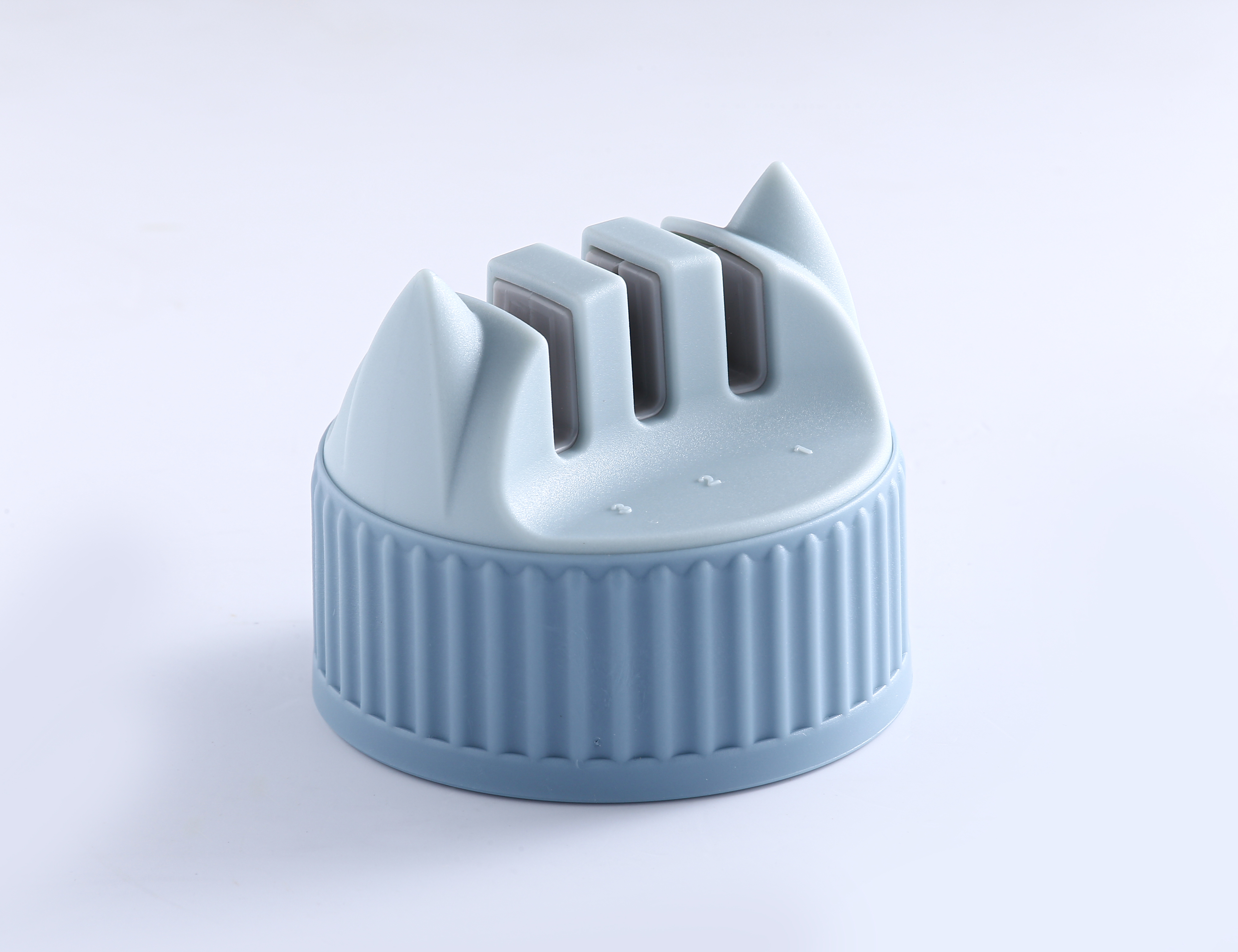
The original product discussed is a 3-Stage Knife Sharpener with a powder blue design, a ribbed easy-grip barrel, and precisely engineered slots. Those are useful starting points for product positioning, but B2B buyers should still verify all commercial and technical details directly with the factory before placing an order. This guide explains how to evaluate a sharpener supplier with practical sourcing questions and comparison criteria.
Key Takeaways
- A reliable sharpener factory should be evaluated on product consistency, communication, packaging support, and quality control process.
- For a 3-stage knife sharpener, ask how each stage is intended to be used and which knife types are suitable.
- Do not rely only on appearance; check grip comfort, slot alignment, user instructions, and sample performance.
- Before wholesale purchasing, confirm MOQ, lead time, customization options, packaging details, and after-sales handling.
What a Sharpener Factory Should Help You Clarify
A capable sharpener factory should do more than ship cartons. It should help buyers understand the product range, available designs, packaging choices, and quality inspection points. If you are sourcing for resale, ask whether the supplier can provide clear product descriptions, user guidance, carton information, and photos suitable for your marketplace or retail channel.
Because sharpeners are used with knives, instructions matter. A supplier should be able to explain basic use, limitations, cleaning recommendations, and safety notes without exaggerating performance. If a factory cannot answer simple questions about the product, it may be difficult to resolve issues after delivery.
Evaluating the 3-Stage Knife Sharpener for Your Market
A 3-stage sharpener is often attractive to buyers because it gives consumers a clear sharpening sequence. However, not every 3-stage sharpener is identical. For the powder blue 3-Stage Knife Sharpener described in the original article, the visible appeal comes from its color and compact form, while functional details include the ribbed easy-grip barrel and precisely engineered slots.
Before adding it to a wholesale program, request samples and test them with the type of knives your customers commonly use. Ask the supplier to explain the purpose of each slot and the recommended sharpening motion. Also confirm whether the packaging includes instructions, because a consumer who uses the wrong angle, excessive pressure, or an unsuitable knife may be disappointed even when the product itself is acceptable.
Supplier Comparison Checklist
Use a structured checklist to compare suppliers instead of relying only on product photos. The table below can help purchasing teams document questions and reduce sourcing risk.
| Evaluation Area | What to Check | Questions to Ask the Supplier |
|---|---|---|
| Product design | Grip shape, slot layout, color, overall usability | Can you provide samples of the 3-stage sharpener for hand-feel and use testing? |
| Performance guidance | Intended use of each sharpening stage | Which knife types are suitable, and are any knives not recommended? |
| Quality control | Appearance, assembly, slot alignment, packaging condition | What inspection steps are used before shipment? |
| Packaging | Retail box, insert card, instructions, barcode space | What packaging options are available, and can artwork be reviewed before production? |
| Commercial terms | MOQ, lead time, payment terms, reorder process | What are the current MOQ and production lead time for this model? |
| Customization | Color, logo, label, language versions | Which customization options are available, and what are the setup requirements? |
Quality Signals to Look for in Samples
Sample review is one of the most important steps in sourcing sharpeners. Start with the basics: check whether the product sits firmly on a flat surface, whether the grip feels comfortable, and whether the sharpening slots appear clean and evenly formed. For the ribbed easy-grip barrel mentioned in the source article, test whether the texture is comfortable for different hand sizes and whether it remains easy to hold during repeated use.
Next, test the product with ordinary kitchen knives in a controlled and safe way. Record how many passes are recommended by the supplier and whether the instructions match the actual user experience. Avoid making broad claims such as professional-grade performance unless the supplier provides verifiable support and your own testing confirms the positioning for your market.
Questions to Ask Before Placing a Wholesale Order
Clear communication before ordering is the best way to avoid misunderstandings. Send your questions in writing and keep the supplier responses for internal records. A practical inquiry should include:
- What is the current MOQ for the selected 3-stage knife sharpener?
- What is the standard lead time for samples and bulk production?
- Can the powder blue color be ordered as shown, and are other colors available?
- What packaging formats can be supplied for retail or online sales?
- Can user instructions be customized for different languages?
- What inspection process is used for appearance, assembly, and packaging?
- How are defective or damaged goods handled after delivery?
- Are product photos, dimensions, and carton details available for listing preparation?
These questions do not assume capabilities that have not been provided. Instead, they help buyers confirm whether the factory can support the actual needs of a retail or distribution program.
Balancing Design, Cost, and Customer Expectations
A sharpener with an attractive powder blue appearance may stand out in a kitchenware assortment, but design alone should not drive the purchase decision. Your customers will judge the product by ease of use, comfort, instructions, and durability in everyday handling. If your brand serves entry-level home cooks, simple packaging and clear directions may matter more than advanced claims. If you sell to culinary stores, sample performance and consistent finishing may receive closer attention.
Cost should be reviewed in context. A lower price may not be beneficial if packaging is weak, instructions are unclear, or reorder communication is unreliable. On the other hand, a higher-priced option should be supported by tangible advantages that your customers can understand. Ask the factory to separate product cost, packaging cost, customization cost, and shipping-related information where possible.
Practical FAQ for Sharpener Sourcing
What is a 3-stage knife sharpener?
A 3-stage knife sharpener uses three sharpening slots or steps, typically intended to guide the user through different sharpening or finishing actions. The exact function of each stage should be confirmed with the supplier for the specific model.
Should I request samples before buying wholesale?
Yes. Samples allow you to check grip comfort, slot quality, packaging, instructions, and actual user experience before committing to a bulk order.
Can a factory customize a knife sharpener?
Possibly, but it depends on the supplier. Ask about available options such as color, logo placement, packaging artwork, and instruction language. Also confirm any MOQ or setup requirements.
What claims should I avoid in product listings?
Avoid claims about material grade, certifications, test results, or professional performance unless the supplier provides reliable documentation and your compliance review supports those statements.
How do I choose between several sharpener suppliers?
Compare samples, communication speed, inspection process, packaging support, commercial terms, and how clearly each supplier answers technical and after-sales questions.
Final Sourcing Advice
A good sharpener factory should make your buying decision easier by providing clear information, consistent samples, and realistic answers. For the 3-Stage Knife Sharpener, focus on the confirmed features: powder blue design, ribbed easy-grip barrel, and precisely engineered slots. Then verify all other details through samples and supplier documentation. This approach helps buyers build a reliable sharpener assortment without overstating product claims or overlooking practical retail needs.
