




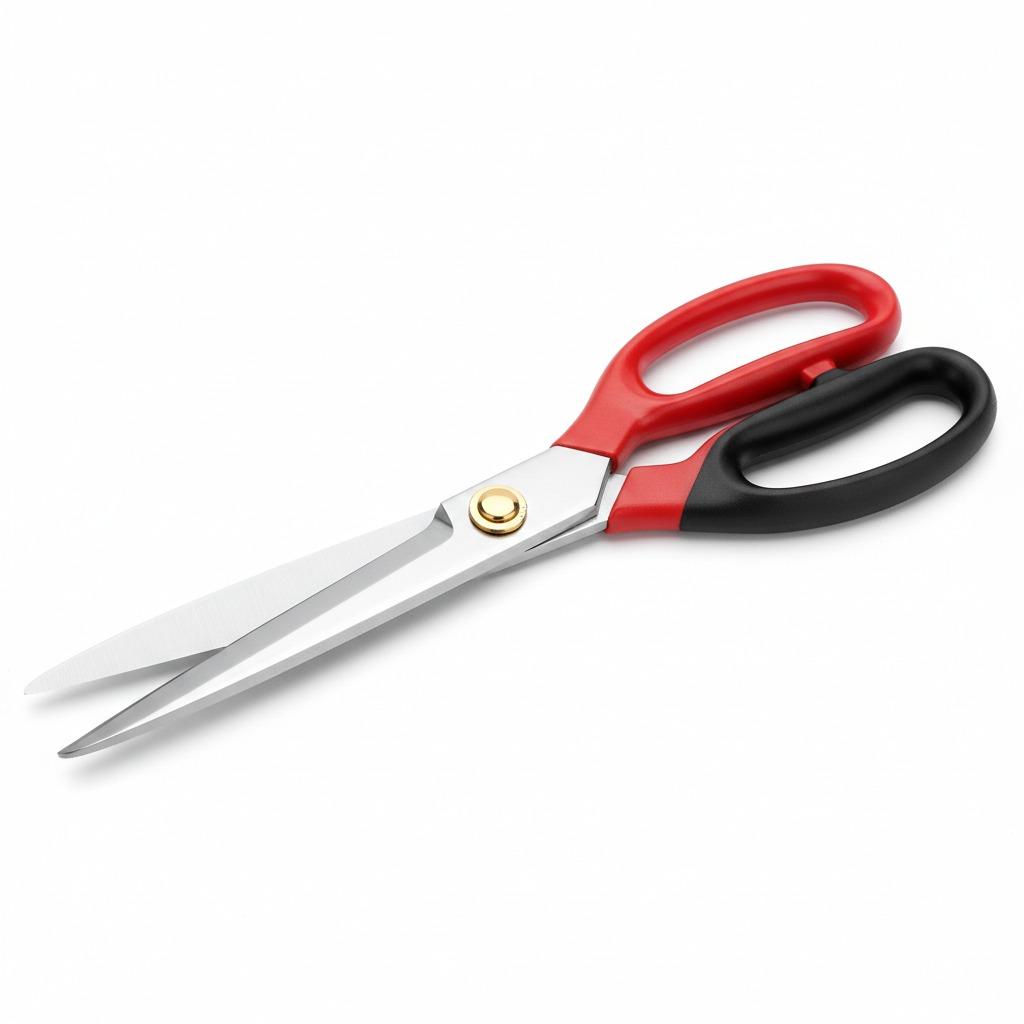

Signs Your Tailor Shears Need Professional Sharpening
Tailor shears are precision cutting tools, not general household scissors. In sewing rooms, alteration shops, upholstery workrooms, and home studios, a clean cut affects everything that follows: seam accuracy, edge finish, pattern matching, and fabric waste. When shears become dull, the problem is not always obvious at first. You may simply press harder, cut slower, or blame the fabric.
Professional sharpening is different from a quick home touch-up. A trained sharpener can restore the cutting edge, check blade alignment, and adjust the pivot tension without removing unnecessary metal. If your tailor scissors are starting to behave differently, use the signs below to decide whether they need service.
Key Takeaways
- Jagged fabric edges, thread pulling, and skipped cuts are the most common signs of dull tailor shears.
- Extra hand pressure can damage fabric and may also strain your wrist during long cutting sessions.
- Loose, misaligned, or gapped blades may need adjustment as well as sharpening.
- Use tailor shears only on fabric and store them dry, clean, and closed.
- If the shears are valuable or used professionally, choose a sharpening service experienced with scissors, not only knives.
1. Fabric Edges Look Jagged, Fuzzy, or Frayed
The clearest warning sign is a poor edge immediately after cutting. Sharp tailor shears should leave a smooth line through common sewing fabrics. If cotton, lining, denim, or lightweight synthetics begin to look chewed, fuzzy, or uneven, the blade edge may be rounded or nicked.
This matters because a damaged cut edge can affect seam allowance accuracy. Fraying also creates extra cleanup work before stitching. On delicate fabrics, a rough cut may be impossible to hide. If you notice fraying across several different fabrics, do not assume every textile is the problem. Test the shears on a stable scrap fabric and compare the result with a known sharp pair if available.
2. You Need More Force Than Usual
Good tailor shears should cut with controlled pressure. They do not need to feel effortless through every material, especially heavy fabric, but they should slice rather than crush. When you begin pushing the blades forward, squeezing harder, or using your other hand to pull the fabric tight just to complete a cut, the edge is likely no longer doing its job.
Extra force creates two problems. First, it can shift the fabric layers and distort the pattern line. Second, it increases fatigue during repetitive cutting. For tailors, sample makers, and sewing hobbyists who cut for long sessions, this can become a real productivity and comfort issue.
3. The Blades Snag, Pull Threads, or Skip Sections
Snagging is a sign that small imperfections exist along the cutting edge. These may be too small to see, but they can catch individual threads. Skipping happens when the blades close but fail to cut a portion of the fabric, leaving uncut bridges along the line.
Pay special attention to where the problem occurs. If the shears cut well near the pivot but fail near the tips, the tips may be dull, bent, or misaligned. If the shears snag in one repeated spot, there may be a nick. If they fail along the whole length, the edge may be generally worn.
4. The Blades Feel Loose, Tight, or Misaligned
Not every cutting problem comes from a dull edge. Tailor shears depend on correct blade contact. If the pivot screw or fastener is too loose, the blades can separate as they close, allowing fabric to fold between them instead of cutting. If the pivot is too tight, the shears may feel stiff and tiring to use.
Close the shears slowly and watch the blades. They should meet cleanly along the cutting path. If you see a visible gap, wobble, rubbing, or uneven closure, sharpening alone may not solve the issue. A professional service can often assess both edge condition and alignment. Avoid forcing the pivot if you are unsure how your shears are designed.
5. The Tips No Longer Cut Cleanly
The tips of tailor shears are important for notches, curves, trimming, and controlled starts or stops. Dull or misaligned tips can cause small tears or leave threads uncut. This is especially frustrating when cutting pattern notches, corners, seam allowances, or detailed garment pieces.
To test the tips, cut a small piece of scrap fabric using only the last inch of the blades. Do not stab or twist the fabric. If the tips fold, push, or leave threads behind, the shears need attention. Tip problems are a strong reason to use a professional sharpener because careless grinding can change the point shape.
Quick Checklist: Do Your Tailor Shears Need Service?
| What You Notice | Likely Cause | What to Do | Urgency |
|---|---|---|---|
| Jagged or frayed fabric edge | Dull or rounded cutting edge | Book professional sharpening | High |
| More hand pressure required | Edge wear or blade drag | Clean first, then test; sharpen if unchanged | Medium to high |
| Threads snag in one spot | Small nick or damaged area | Use a scissor sharpening specialist | High |
| Fabric folds between blades | Loose pivot or poor blade contact | Ask for adjustment and sharpening assessment | High |
| Tips do not cut | Dull, bent, or misaligned tips | Do not grind at home; seek service | High |
| Stiff opening and closing | Dirt, corrosion, or tight pivot | Clean and oil lightly; service if still stiff | Medium |
When Cleaning Is Enough—and When It Is Not
Before sending shears out, perform basic care. Wipe the blades with a soft dry cloth to remove lint, adhesive residue, or fine fibers. If needed, use a cleaner appropriate for the blade material and dry the tool completely. Add a tiny drop of suitable oil at the pivot, then open and close the shears several times and wipe away excess.
Cleaning may solve stiffness caused by lint or residue, but it will not repair a rounded bevel, a nicked edge, or poor alignment. If clean shears still fail the scrap-fabric test, sharpening is the next step.
Why Professional Sharpening Is Safer Than DIY Grinding
Home sharpening tools can be useful for some everyday scissors, but tailor shears require more care. The blade geometry, pivot tension, and contact between the two blades all affect cutting performance. Removing too much metal or changing the angle can shorten tool life and make the shears worse.
When choosing a sharpening provider, ask practical questions: Do they regularly sharpen fabric shears? Do they adjust scissor tension? Can they handle long tailor shears? Do they sharpen by hand, machine, or both? Will they inspect for blade damage before grinding? These questions are more useful than choosing only by price.
How to Keep Tailor Shears Sharp Longer
- Use them only for fabric; avoid paper, cardboard, plastic, wire, and packaging.
- Cut on a suitable surface so the blades do not hit pins, tables, or hard objects.
- Keep pins and clips away from the cutting line.
- Wipe the blades after use, especially after cutting linty or treated fabrics.
- Store shears closed in a sleeve, case, or dedicated drawer.
- Do not drop them; a fall can damage the tips or alignment.
- Label fabric shears clearly if other people share the workspace.
Practical FAQ
How often should tailor shears be professionally sharpened?
There is no single schedule for every user. Heavy workshop use may require service much sooner than occasional home sewing. Instead of relying only on time, check cut quality, pressure, snagging, and tip performance regularly.
Can I sharpen tailor shears with aluminum foil or sandpaper?
These common tricks may make some scissors feel temporarily different, but they do not properly restore tailor shear geometry. They can also worsen nicks or uneven edges. For quality fabric shears, professional service is the safer option.
Should I replace dull shears instead of sharpening them?
If the shears are inexpensive, badly damaged, or uncomfortable to use, replacement may make sense. If they fit your hand well and cut accurately when sharp, professional sharpening is usually worth considering.
What should I tell the sharpening service?
Explain what you cut, where the shears fail, and whether the problem is at the tips, middle, or full blade length. Ask the provider to check alignment and pivot tension, not only the edge.
Can dull shears damage fabric?
Yes. Dull blades can crush, pull, or fray fabric fibers, especially on delicate or loosely woven materials. Stopping early and servicing the shears helps reduce waste and rework.
