




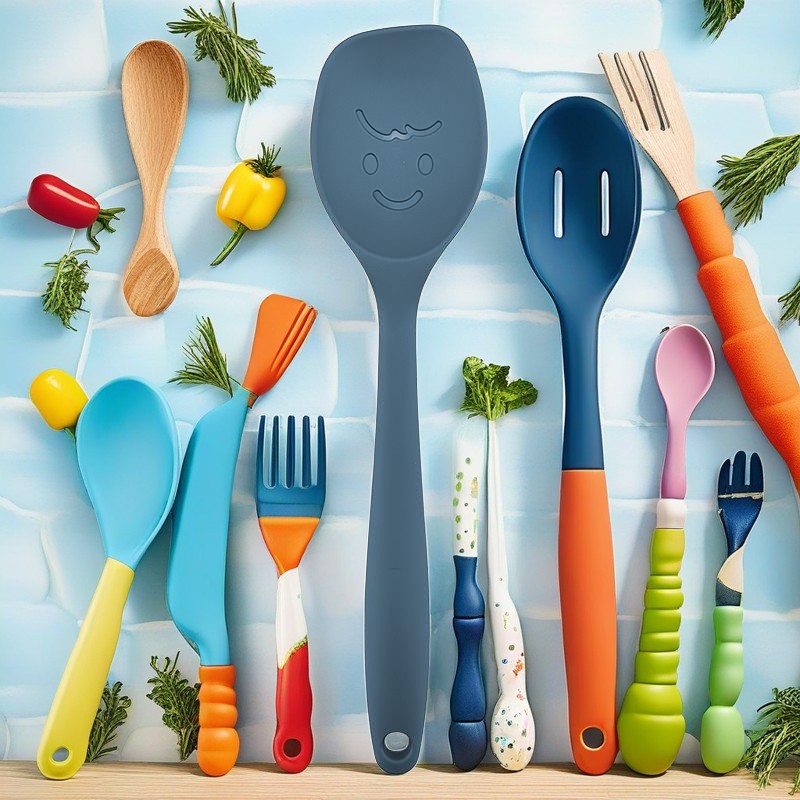
Silicone Cooking Utensils: Practical Tools for Everyday Kitchens
Silicone cooking utensils have become common in home kitchens because they are easy to handle, suitable for many cooking tasks, and gentle on cookware surfaces. A silicone spoon, such as the Sukuu silicone spoon described in the original product introduction, is a simple example: it is presented as a red silicone spoon with a deep bowl, an ergonomic handle, heat resistance, and suitability for stirring and serving hot dishes.
This guide explains what makes silicone utensils useful, where they fit best, what to check before buying, and how to care for them. Rather than treating a silicone spoon as a decorative accessory, it is more helpful to evaluate it as a working kitchen tool: Can it stir thick foods? Can it serve soup or risotto? Will it be comfortable to hold? Is it appropriate for nonstick cookware? These are the practical questions that matter in daily use.
Key Takeaways
- Silicone cooking utensils are valued for their flexible feel, cookware-friendly surface, and usefulness with hot foods.
- A silicone spoon with a deep bowl can help with stirring, mixing, scooping, and serving portions.
- For nonstick pots and pans, silicone is often preferred over metal because it is gentler on coated surfaces.
- Buyers should check heat-resistance details, cleaning instructions, handle comfort, and product safety information before purchase.
- Good care habits, such as avoiding direct flame and cleaning promptly, can help extend the service life of silicone utensils.
What Are Silicone Cooking Utensils?
Silicone cooking utensils are kitchen tools made with silicone as the main contact material. Common examples include spoons, spatulas, ladles, turners, tongs, and baking tools. They are often chosen for tasks that involve coated cookware, hot sauces, soups, eggs, batters, and delicate foods.
The original article highlights a Sukuu silicone spoon made with premium silicone and designed in a vivid red color. It also mentions heat resistance, a deep spoon bowl, and an ergonomic handle. Those features are relevant because a cooking spoon is used repeatedly: it must move smoothly through food, fit comfortably in the hand, and avoid damaging the pan surface.
When comparing silicone tools, it is important not to rely only on appearance. Color may help a utensil fit a kitchen style or make it easier to identify in a drawer, but the more important questions are about safety, usability, cleaning, and durability.
Why Silicone Works Well with Nonstick Cookware
Nonstick cookware requires careful utensil selection. Metal spoons or sharp-edged tools can scratch coatings, especially when used with pressure. Silicone utensils are generally softer at the contact point, making them a practical option for stirring sauces, turning ingredients gently, and serving from nonstick pots or pans.
The original description specifically notes that the Sukuu silicone spoon is gentle on nonstick cookware and helps avoid scratches or damage to pots and pans. That is a useful feature for home cooks who frequently prepare soups, risotto, stews, or sauced dishes in coated cookware.
Even with silicone, users should avoid aggressive scraping, cutting inside the pan, or using a damaged utensil with rough edges. A utensil can only protect cookware when it is used correctly. If a silicone spoon becomes torn, hardened, or develops exposed internal material, it is sensible to replace it.
How to Choose a Silicone Spoon for Daily Cooking
A silicone spoon looks simple, but small design differences affect daily performance. The spoon bowl, handle shape, weight, flexibility, and cleaning requirements all matter. For example, a deep bowl can help when serving soup, stew, sauce, grains, or vegetables. It can also be useful for mixing ingredients when a flat spatula does not hold enough food.
The ergonomic handle mentioned in the original product description is also important. A comfortable handle can reduce hand fatigue during repeated stirring, especially when cooking thick dishes such as risotto, porridge, or dense sauces. If buying online, shoppers should review product images, dimensions if provided, and customer feedback about grip and balance.
- Check the heat guidance: Look for the supplier’s stated temperature range and any warnings about direct flame or broiler use.
- Review the bowl shape: A deeper bowl is better for serving liquids, while a flatter head may be better for folding or scraping.
- Consider cookware compatibility: Choose utensils intended for nonstick, ceramic-coated, or enamel cookware if those are used often.
- Ask about cleaning: Confirm whether the utensil is dishwasher-safe or whether hand washing is recommended.
- Inspect construction: Avoid rough seams, loose handles, or gaps where food can collect.
Comparison Checklist: Silicone Spoon vs. Common Alternatives
| Utensil Type | Best For | Cookware Surface | Points to Check |
|---|---|---|---|
| Silicone spoon | Stirring, mixing, serving soups and sauces | Often suitable for nonstick cookware | Heat guidance, handle comfort, bowl depth, cleaning instructions |
| Wooden spoon | Stirring thick foods and traditional cooking | Generally gentle, but can absorb odors or moisture | Drying care, cracks, staining, food residue |
| Metal spoon | Serving from stainless steel cookware or mixing bowls | Not ideal for many nonstick surfaces | Scratching risk, hot handle, edge sharpness |
| Nylon utensil | Light cooking tasks and serving | Often used with nonstick cookware | Heat limits, stiffness, discoloration over time |
Best Uses for a Deep Silicone Cooking Spoon
A deep silicone spoon is most useful when the task involves both movement and serving. It can stir ingredients without the hard scraping action of metal, then scoop portions directly to a bowl or plate. This makes it convenient for weeknight cooking, where fewer tools and easier cleanup are helpful.
Common uses include stirring soup, serving stew, mixing rice dishes, portioning pasta sauce, folding ingredients in a mixing bowl, and scooping vegetables from a pan. The original article mentions using the spoon for hot dishes, soup, and risotto. Those are good examples because they require a utensil that can move through liquid or semi-thick food while holding enough volume to serve.
However, silicone spoons are not always the right tool for every task. They are not knives, whisks, or high-pressure scrapers. For searing meat, lifting heavy roasts, or scraping burned residue from a pan, another tool may be better. A good kitchen setup includes several utensil types rather than expecting one spoon to do everything.
Use and Care Tips for Longer Service Life
Proper care helps silicone utensils remain pleasant to use. First, follow the manufacturer’s cleaning and heat instructions. Silicone may be heat resistant, but that does not mean every silicone tool can be left on a hot burner, exposed to direct flame, or rested against the side of a very hot pan for long periods. Always check the supplier’s guidance.
- Wash the spoon before first use to remove dust from packaging or storage.
- Clean it soon after cooking, especially after oily sauces, tomato-based foods, or strongly colored ingredients.
- Avoid cutting food against the silicone surface with knives or sharp tools.
- Store it where the spoon head will not be crushed, bent sharply, or damaged by sharp metal utensils.
- Replace the utensil if it becomes sticky, cracked, torn, badly stained, or difficult to clean.
If odors remain after cooking, a gentle wash with warm water and mild dish soap is usually the first step. For persistent smells, users can check whether the supplier recommends any deeper cleaning method. Avoid harsh cleaners unless the product instructions specifically allow them.
What Buyers Should Confirm Before Purchase
For consumer shoppers, the main goal is to choose a utensil that fits actual cooking habits. A red silicone spoon may look attractive in a kitchen, but the better buying decision comes from matching the spoon to cookware, recipes, hand comfort, and cleaning preferences.
Before buying any silicone cooking utensil, ask practical questions: What is the stated heat-resistance range? Is the utensil intended for nonstick cookware? Is it one-piece or assembled from multiple materials? How should it be cleaned? Are there any restrictions, such as avoiding open flame or prolonged contact with hot pan edges? Does the handle length suit the size of the pots and pans used at home?
If sourcing for a retail assortment, kitchenware bundle, or hospitality use, buyers should request complete product details from the supplier rather than assuming specifications. Ask about material information, packaging options, labeling requirements, available colors, quality checks, and applicable compliance documents for the target market. Commercial details such as minimum order quantity, lead time, and customization should be confirmed directly with the supplier.
FAQ
Are silicone cooking utensils safe for nonstick pans?
Silicone utensils are commonly chosen for nonstick cookware because they are gentler than metal tools. Still, users should avoid aggressive scraping and replace utensils with damaged edges.
Can a silicone spoon be used with hot soup or risotto?
Yes, a heat-resistant silicone spoon is suitable for stirring and serving hot dishes when used according to the manufacturer’s heat guidance. The original product description specifically mentions soup and risotto as examples.
Why choose a deep silicone spoon bowl?
A deeper bowl helps hold liquids and semi-thick foods, making the spoon useful for serving soup, sauce, stew, rice dishes, and mixed ingredients.
How should silicone utensils be cleaned?
Follow the supplier’s instructions. In general, wash promptly with mild dish soap and warm water, and confirm whether dishwasher cleaning is recommended for the specific product.
What should B2B buyers ask a silicone utensil supplier?
Ask for material details, heat-use guidance, packaging options, compliance documents for your sales market, available colors, customization options, MOQ, lead time, and quality inspection process.
