




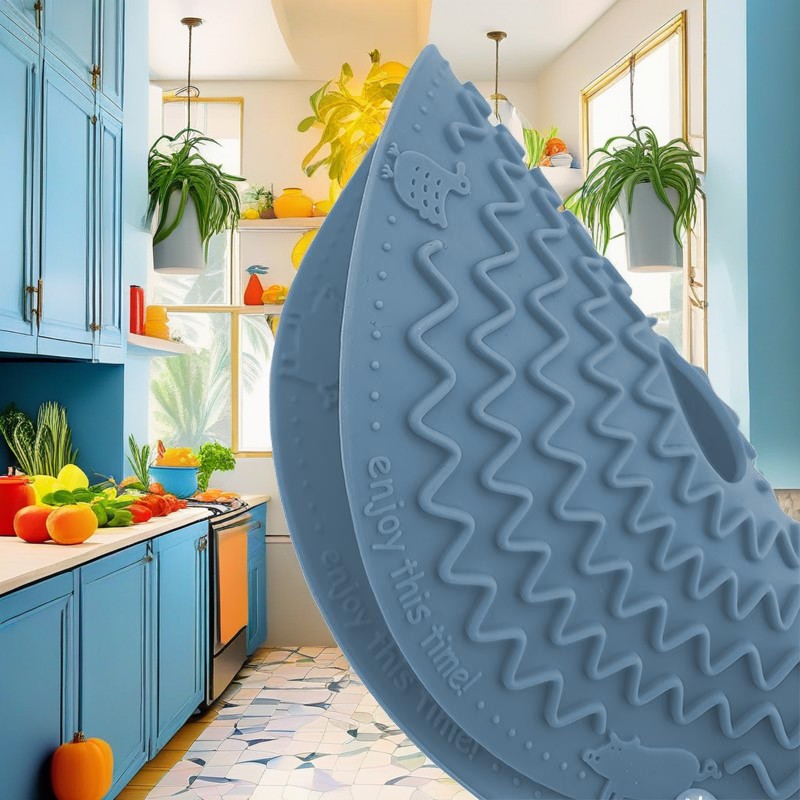
Silicone Kitchen Mat: A Practical Heat-Resistant Kitchen Guide
A silicone kitchen mat is a simple accessory, but it can solve several everyday kitchen problems at once. It can create a protective layer under a hot pan, help reduce slipping during prep, provide a cleaner work surface for sticky ingredients and serve as a reusable alternative to disposable liners in many household tasks. The original article highlights the main reasons people choose silicone mats: heat resistance, versatility, easy maintenance, durability and reusable design. This rewritten guide expands those points into practical selection and use advice for home kitchens.
Not every mat is designed for the same purpose, so shoppers should look beyond color and size. A mat used mainly under hot cookware may need different features from one used for pastry work, pet bowls or countertop organization. The best choice depends on how you cook, how you clean and where the mat will be stored.
Key Takeaways
- A silicone kitchen mat can help protect countertops from hot pans, moisture, crumbs and minor messes.
- Its non-slip surface can improve stability when opening jars, handling utensils or placing bowls.
- Cleaning is usually simple, but buyers should confirm whether a specific mat is dishwasher safe.
- Reusable silicone mats can reduce reliance on single-use liners, towels or disposable surface covers.
- Before buying, check size, thickness, temperature guidance, edge design, storage method and care instructions.
Why a Silicone Kitchen Mat Is Useful
The main appeal of a silicone kitchen mat is flexibility. In a busy kitchen, the same mat may be used as a resting place for a warm baking tray, a non-slip base under a mixing bowl, a temporary prep surface or a protective layer under small appliances. This multi-use nature is especially helpful in kitchens with limited counter space, where every surface has to work harder.
Silicone also has a naturally grippy feel, which can help stabilize items that might slide on stone, tile, stainless steel or laminate counters. When placed under a cutting board, jar, bowl or utensil holder, it can make small tasks feel more controlled. However, it should not be treated as a replacement for a proper cutting board unless the product is specifically described as suitable for that use.
Heat Resistance: What to Check Before Use
The original article describes silicone kitchen mats as heat resistant and useful under hot baking sheets or pots. That is one of their most common applications. A heat-resistant mat can help reduce the risk of heat marks, discoloration or surface stress on countertops and tables. Still, the safe temperature range can vary by product, so users should always check the supplier’s care label or product instructions.
For everyday use, avoid placing a mat directly over an active flame, electric burner, grill plate or other direct heat source unless the manufacturer clearly states that it is safe. A mat can protect a countertop from residual heat, but it is not automatically designed for stovetop cooking. If you often move hot roasting pans, cast iron cookware or trays from the oven, choose a mat large enough to keep the entire base of the cookware off the counter.
Common Uses Around the Kitchen
A silicone kitchen mat can be more than a hot pad. Its texture and washable surface make it useful in several parts of the home kitchen. Here are practical applications to consider:
- Counter protection: Place it under hot pans, kettles or trays to help guard the surface below.
- Non-slip prep: Use it under mixing bowls, measuring cups or jars that need extra grip.
- Baking support: Use it as a clean work area for kneading, shaping dough or handling sticky ingredients if the mat is intended for food contact.
- Serving support: Place it under dishes on a table to reduce sliding and catch minor drips.
- Pet bowl stability: Use it under food or water bowls to help reduce movement and contain spills.
- Appliance base: Put it under small countertop items to reduce slipping and collect crumbs or moisture.
These uses show why a reusable mat can be practical beyond cooking. It can support cleaning, organizing and serving routines without adding complicated equipment to the kitchen.
Comparison and Selection Checklist
When comparing silicone kitchen mats, focus on measurable and practical details. The table below can help shoppers decide what to ask or verify before purchasing.
| Feature to Check | Why It Matters | Question to Ask |
|---|---|---|
| Size and shape | A mat should match the cookware, counter area or appliance it will support. | Will it fully cover the area where hot or messy items are placed? |
| Heat guidance | Temperature limits vary and affect safe use. | What maximum temperature does the supplier recommend? |
| Surface texture | Texture can improve grip and stability. | Is the surface smooth, ribbed or patterned for non-slip use? |
| Cleaning method | Some mats can be rinsed quickly, while others may be dishwasher safe. | Is dishwasher cleaning allowed, or is hand washing recommended? |
| Material information | The original article references food-grade silicone, BPA-free and non-toxic qualities. | Can the supplier confirm the material details for this specific mat? |
| Storage | Flexible mats should be easy to store without warping or collecting dust. | Can it be rolled, hung or stored flat? |
Cleaning and Maintenance Tips
One reason silicone kitchen mats are popular is easy maintenance. Many everyday spills can be rinsed away under water, and mild dish soap is usually enough for grease or sticky residue. If a product is labeled dishwasher safe, that can add convenience; if it is not labeled, hand washing is the safer default.
- Rinse the mat soon after contact with sauces, oils or dough to prevent residue from drying.
- Use a soft sponge rather than abrasive pads that may damage the surface.
- Dry the mat fully before storing it to reduce trapped moisture.
- Store it flat or loosely rolled, depending on the product’s shape and flexibility.
- Inspect it regularly for cuts, cracking, deep stains or persistent odors, and replace it if it no longer cleans well.
For strong odors, washing with warm water and mild detergent may help. Avoid harsh solvents unless the supplier’s care instructions specifically allow them. If the mat is used for food preparation, keep it separate from non-food uses such as pet bowls or plant pots.
Reusable Design and Waste Reduction
The original article notes that silicone kitchen mats are reusable and can help reduce waste compared with disposable alternatives. This is a practical advantage when a mat replaces paper towels, foil sheets or single-use counter covers for certain tasks. Reusability also depends on proper care. A mat that is cleaned promptly, stored correctly and used within its recommended temperature range is more likely to remain useful over time.
That said, reusable does not mean indestructible. Sharp knives, direct flame, rough scrubbing and improper storage can shorten its service life. Treat the mat as a protective kitchen surface, not as an all-purpose shield for every condition.
Practical FAQ
Can a silicone kitchen mat be used under hot cookware?
Yes, heat resistance is one of the common reasons to use a silicone kitchen mat. Always confirm the temperature range for the specific product and avoid direct contact with flames or active burners unless the supplier clearly permits it.
Is it safe to use as a cutting board?
Only use it for cutting if the product is designed and described for that purpose. Many silicone mats are better suited for grip, baking prep, heat protection or spill control rather than knife work.
How do I clean a silicone kitchen mat?
Rinse it under water and wash with mild dish soap when needed. If the supplier states that it is dishwasher safe, machine washing may be an option. Dry it completely before storage.
Can it go under pet bowls or appliances?
Yes, a non-slip silicone mat can help stabilize pet bowls or small appliances and catch drips or crumbs. If used for pets or appliances, consider keeping that mat separate from food-prep mats.
What should I ask before buying?
Ask about size, recommended temperature range, cleaning method, material details, intended food-contact use and storage guidance. These questions help ensure the mat fits your actual kitchen routine.
Final Thoughts
A silicone kitchen mat is useful because it combines heat protection, grip, easy cleaning and reusability in one compact item. For the best results, choose a mat based on the tasks you perform most often, then follow the care instructions supplied with the product. Used correctly, it can become a practical everyday surface for cooking, baking, serving and organizing without adding clutter to the kitchen.
