




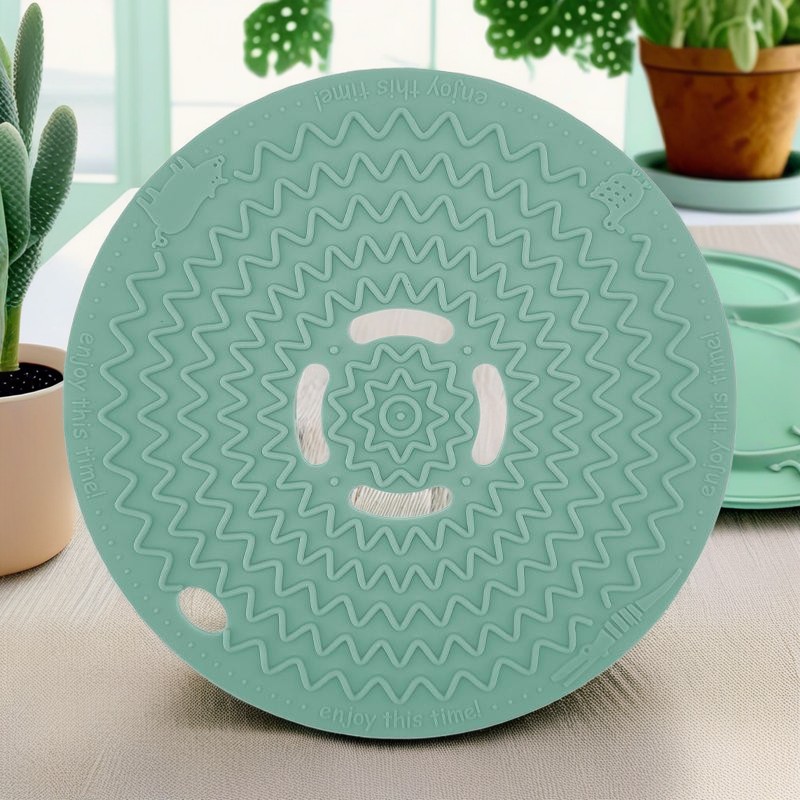
Silicone Kitchen Mat: A Practical Multi-Use Tool for Everyday Homes
A silicone kitchen mat is a simple accessory, but it can solve several everyday problems in the kitchen and beyond. The original product description highlights a heat-resistant silicone mat made from food-grade silicone, with a non-slip texture, decorative patterning, dishwasher-safe cleaning, compact storage, and a built-in hanging hole. Those features make it useful for protecting counters, gripping jar lids, stabilizing cutting boards, and even providing slow-treat enrichment for pets.
This guide explains what a silicone kitchen mat is, how to use it safely, what to check before buying, and how to care for it so it remains practical over time.
What Is a Silicone Kitchen Mat?
A silicone kitchen mat is a flexible, washable mat designed to create a protective or grippy surface. Unlike a fabric towel, silicone does not absorb liquids in the same way, so it can be easier to wipe clean after light messes. Unlike rigid trivets, a flexible mat can also be used for gripping, wrapping, or stabilizing items.
According to the source material, this type of mat is made from food-grade silicone and is intended for a range of household uses. It may be placed under hot cookware, used to help open tight lids, set beneath a cutting board, or used as a textured surface for pet treats. Because product details can vary by supplier, buyers should always confirm the exact temperature resistance, care instructions, dimensions, and intended food-contact use before purchase.
Common Uses in the Kitchen
The main value of a multi-purpose silicone mat is flexibility. Instead of owning separate items for every task, one mat can support several routine jobs. Common uses include:
- Countertop protection: Use it as a buffer under hot pots, pans, or serving dishes, within the temperature limits stated by the supplier.
- Jar and lid grip: The non-slip surface can help you hold a stubborn jar lid more securely.
- Cutting board stability: Place the mat under a cutting board to reduce sliding during food preparation.
- Meal prep surface: Use it as a clean, defined area for holding utensils, bowls, or ingredients while cooking.
- Drying support: Place small hand-washed items on the mat temporarily, then clean and dry it after use.
These uses are practical, but they still require common sense. Do not use a mat directly over a flame, on a stovetop burner, or in any situation not recommended by the product instructions.
Use Beyond Cooking: Pet Enrichment and Household Tasks
The original article notes that a silicone kitchen mat can also be used by pet owners as an enrichment tool. A textured surface can hold a thin layer of pet-safe peanut butter, yogurt, or another suitable treat, encouraging slower licking and keeping a pet occupied for a short time. This can be helpful for some pets during grooming, crate time, or calm indoor routines.
Pet use should be supervised. Confirm that any food used is safe for the animal, avoid ingredients such as xylitol, and stop using the mat if the pet tries to chew or tear it. After pet use, wash the mat thoroughly before using it again in the kitchen, or consider keeping a separate mat only for pet enrichment.
A silicone mat can also be helpful around the home as a temporary protective layer under small appliances, craft items, or grooming tools. However, if the mat is used outside food preparation, it is best to separate household-use mats from food-contact mats.
Selection Checklist: What to Compare Before Buying
Not all silicone mats are identical. Before choosing one, compare the details that affect daily use, cleaning, and storage.
| Feature to Check | Why It Matters | Question to Ask |
|---|---|---|
| Material description | Food-contact use depends on the silicone and production details. | Is it stated as food-grade silicone by the supplier? |
| Heat resistance | Important when using the mat as a trivet or counter protector. | What is the exact temperature limit and use condition? |
| Surface texture | Affects grip for lids, boards, and pet enrichment spreads. | Is the texture easy to clean after sticky foods? |
| Size and thickness | Determines whether it fits cookware, counters, or storage spaces. | What are the exact dimensions and thickness? |
| Cleaning method | Dishwasher-safe care can save time. | Is it dishwasher safe, and are there rack-placement limits? |
| Storage design | A hanging hole or compact shape keeps drawers organized. | Can it hang or roll without losing shape? |
How to Use a Silicone Mat Safely
For best results, match the mat to the task. When using it under hot cookware, place it on a flat, stable surface and make sure the pan does not exceed the supplier's temperature guidance. When using it for grip, keep the mat dry if the task requires friction, such as opening a jar. When stabilizing a cutting board, lay the mat flat so the board does not rock.
Avoid cutting directly on the mat unless the supplier clearly states that the mat is intended for knife contact. Sharp blades can damage silicone surfaces. Also avoid placing the mat in direct contact with heating elements, open flames, or rough tools that may puncture or tear it.
Cleaning and Care Tips
The source states that the mat is dishwasher safe, which is useful after contact with sauces, oils, or pet treats. Even so, hand washing is often convenient for quick cleanup. Use warm water, mild dish soap, and a soft sponge. Rinse thoroughly, especially if the textured side has held sticky foods.
- Wash the mat before first use.
- Clean it after each food or pet use.
- Dry it fully before storing to prevent trapped moisture in drawers.
- Store it flat, rolled loosely, or hanging from the built-in hole if provided.
- Inspect it regularly and replace it if it becomes cracked, torn, sticky, or difficult to clean.
If odors remain after strong foods, try soaking the mat in warm soapy water, then rinsing and air drying. Always follow the supplier's care instructions first.
Key Takeaways
- A silicone kitchen mat can work as a trivet, grip aid, counter protector, cutting board stabilizer, and pet enrichment surface.
- Useful features from the original product description include heat resistance, food-grade silicone, non-slip texture, dishwasher-safe cleaning, compact storage, and a hanging hole.
- Confirm exact specifications with the supplier, especially temperature limits, dimensions, and approved use conditions.
- Keep food-prep and pet-use mats separate if hygiene is a concern.
FAQ
Can I put a hot pan on a silicone kitchen mat?
Many silicone mats are designed for heat-resistant use, but the safe temperature range depends on the product. Check the supplier's stated limit before placing hot cookware on it.
Is a silicone kitchen mat safe for food preparation?
The source describes the mat as made from food-grade silicone. Still, buyers should confirm the material description and any food-contact guidance provided by the supplier.
Can I use the same mat for my pet and my kitchen?
You can clean it after use, but for hygiene it is better to keep one mat for pet enrichment and another for food preparation.
How do I store it?
Let it dry completely, then store it flat, loosely rolled, or hang it using the built-in hole if the mat includes one.
When should I replace a silicone mat?
Replace it if it is torn, deeply scratched, sticky after washing, has trapped residue, or no longer lies flat enough for safe use.
