




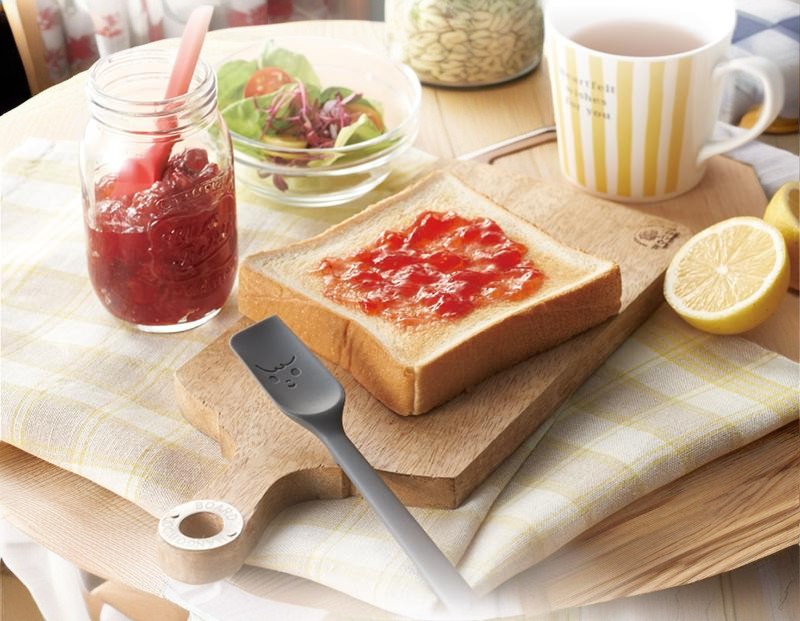
Silicone Spoon: Practical Guide to a Cheerful Kitchen Utensil

A silicone spoon is one of those small kitchen tools that earns its place through repeated daily use. It can help with mixing, scooping, spreading, folding, and serving, especially when you want a flexible utensil that is comfortable to handle. The original Bonet Houseware article introduced a cheerful black Smiling Spatula with a face detail, a circular cut-out in the handle, and a seamless design intended for easy cleaning. This guide takes that idea further with practical advice for shoppers who want to choose a useful silicone cooking utensil without relying on vague product claims.
Key Takeaways
- A silicone spoon is best chosen by matching its shape to your most common tasks: spreading, stirring, scooping, or serving.
- The Smiling Spatula design is especially relevant for breakfast tasks such as spreading jam on toast or scooping spreads from jars.
- Look closely at handle comfort, edge flexibility, cleaning needs, and storage before buying.
- Do not assume heat resistance, dishwasher safety, or material grade unless the supplier clearly states and documents it.
- A seamless utensil can be easier to wipe clean because there are fewer joints where food residue may collect.
What Makes a Silicone Spoon Useful?
The value of a silicone spoon comes from its balance of flexibility and control. Unlike a rigid serving spoon, a silicone utensil can often bend slightly against the side of a bowl, jar, or pan. That makes it useful when you want to scrape out jam, blend a small dressing, fold soft ingredients, or serve thicker foods without wasting what clings to the container.
For home cooks, the appeal is not only the material but the shape. A spoon-like head is better for scooping and serving, while a spatula-style edge is better for spreading and scraping. The Smiling Spatula described in the original article sits closer to the spreading and scooping side of this category, which makes it particularly suitable for breakfast preparation, condiments, salad dressings, and small-batch mixing.
Understanding the Smiling Spatula Design
The product shown in the original article has a black silhouette and a smiling face detail. This kind of visual design can be helpful in casual home kitchens, family breakfast settings, gift bundles, or countertop utensil displays. While appearance should not be the only reason to buy a cooking tool, a pleasant design can encourage everyday use, especially when the utensil is left visible in a crock or hung from a hook.
The circular cut-out in the handle is also worth noting. A handle hole may support hanging storage, though buyers should check the size and placement if they plan to use it with a specific rack. The original article also mentions a seamless design, which is useful because utensils with fewer joints are generally simpler to rinse and wipe after handling sticky spreads, sauces, or dressings.
Best Everyday Uses for a Silicone Spoon
A silicone spoon or smiling spatula performs best when used for practical, repetitive kitchen jobs. It is not meant to replace every utensil, but it can reduce how often you reach for separate spreaders, small spoons, and scrapers.
- Spread strawberry jam, nut butter, soft cheese, or other toppings on toast.
- Blend small amounts of salad dressing directly in a bowl or cup.
- Scoop thicker condiments from jars while reducing leftover residue.
- Fold soft ingredients such as yogurt, sauces, or batters gently.
- Serve small portions at breakfast, snack time, or casual meals.
If you frequently cook over high heat, confirm the utensil's stated temperature guidance before using it in a hot pan. The source article does not provide a heat-resistance rating, so it is better to treat that as a question for the supplier rather than an assumed feature.
Comparison and Buying Checklist
Before choosing a silicone spoon, compare it with the tasks you actually perform. The table below gives a simple checklist for consumers and small kitchenware buyers.
| Selection Point | Why It Matters | What to Check Before Buying |
|---|---|---|
| Head shape | Determines whether the tool is better for spreading, scraping, scooping, or serving. | Choose a flatter edge for spreads and a deeper spoon shape for serving. |
| Handle comfort | Affects control during repetitive tasks such as mixing dressings or scraping jars. | Check length, grip feel, and whether the circular cut-out suits your storage method. |
| Seamless design | Can make cleaning easier after sticky foods. | Inspect for grooves, joints, or hard-to-reach crevices. |
| Material information | Helps buyers understand safety and use limits. | Ask for clear food-contact and care information instead of relying on general wording. |
| Care instructions | Protects the utensil and helps avoid premature wear. | Confirm whether hand washing or dishwasher cleaning is recommended. |
Use and Care Tips
Good care keeps a silicone spoon looking clean and performing well. After using it with jam, salad dressing, oil-based sauces, or strongly colored foods, rinse it promptly so residue does not dry onto the surface. A soft sponge and mild dish soap are usually suitable for routine cleaning, but always follow the supplier's care instructions if they are provided.
Avoid cutting directly against the silicone surface with knives or sharp tools. Store the utensil where the head is not crushed under heavy cookware, since long-term pressure can affect the shape of flexible kitchen tools. If the handle has a hanging hole, hanging storage may be a convenient way to keep it dry and easy to reach.
Questions to Ask Before Purchase
Because the original article does not list detailed specifications, careful buyers should ask practical questions before purchasing in quantity or adding the item to a product range. What material description is available? Are there written food-contact statements? What are the recommended temperature limits? Is the utensil dishwasher safe, or is hand washing preferred? Are the dimensions, weight, and packaging details available? If buying for resale, also ask about labeling, artwork, carton information, and any customization options rather than assuming they are included.
For consumers buying one piece, the decision is simpler: choose the utensil if its size, flexibility, appearance, and cleaning method match your breakfast and everyday food-prep habits.
FAQ
Is a silicone spoon the same as a spatula?
Not always. A spoon is usually better for scooping and serving, while a spatula is better for spreading, scraping, and folding. Some utensils, including the Smiling Spatula style, combine features of both.
Can I use this type of utensil for breakfast prep?
Yes. The original article specifically describes uses such as spreading strawberry jam on toast, blending salad dressings, and scooping spreads, making it well suited to breakfast and snack preparation.
Is the Smiling Spatula easy to clean?
The source describes a seamless design, which can make cleaning simpler because there are fewer joints. Still, follow any supplier care instructions provided with the product.
Can I use it in hot cookware?
Do not assume a heat rating unless it is supplied by the seller or manufacturer. Ask for temperature guidance before using any silicone utensil in high-heat cooking.
What should I check if buying for resale or wholesale?
Ask about material documentation, care instructions, packaging, dimensions, customization options, lead time, MOQ, and any compliance documents required for your target market.
