




Silicone Spoon for Cooking: A Practical Guide for Everyday Kitchens
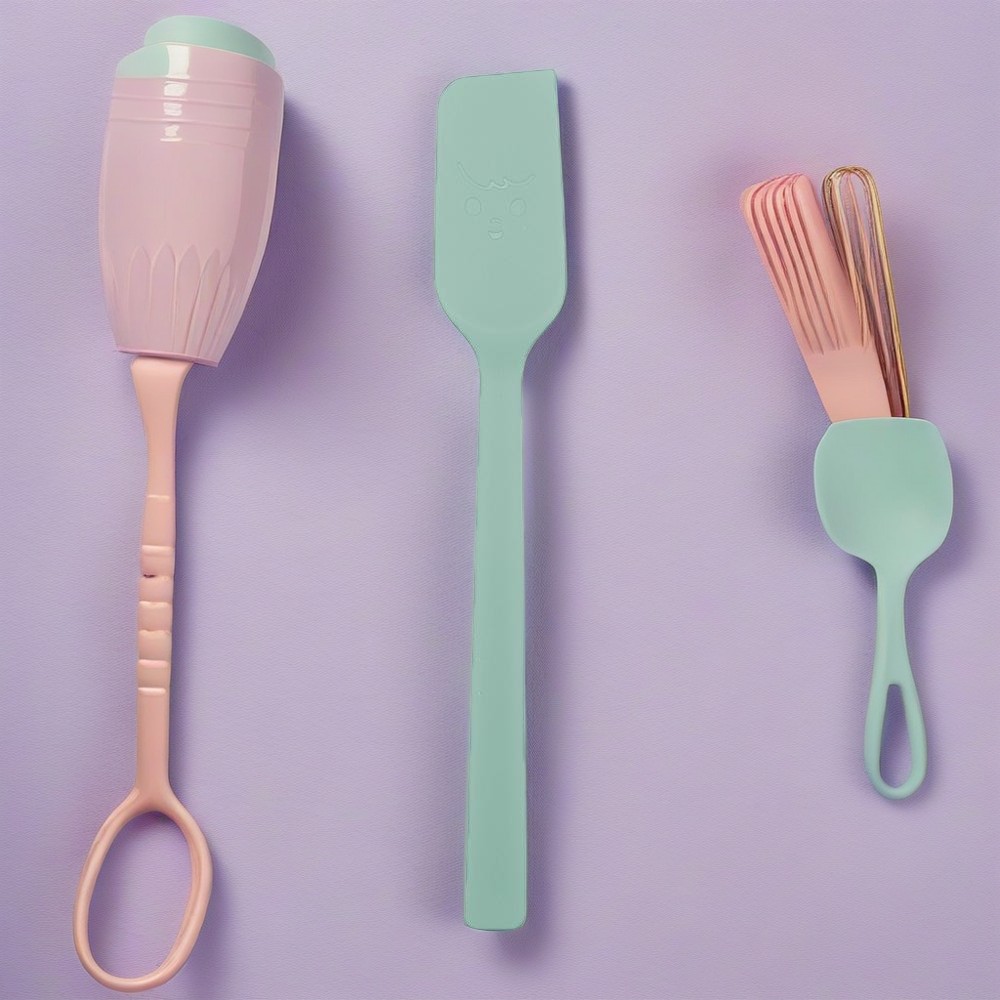
A silicone spoon for cooking is a simple tool, but it can make daily food preparation easier when chosen and used correctly. The original appeal is clear: silicone cooking utensils are designed to be practical, comfortable to handle, suitable for stirring and serving, and gentle on nonstick cookware. For home cooks, cafés, catering teams, and anyone setting up a kitchen, the right spoon can reduce scratching, simplify cleanup, and cover many routine tasks from mixing batter to stirring sauces.
This guide explains what to look for before buying a silicone spoon, how to use it safely, and how to care for it so it stays useful in everyday cooking. It avoids exaggerated claims and focuses on realistic selection criteria that any buyer can check before purchasing.
What Is a Silicone Spoon Used For?
A silicone spoon is commonly used for stirring, mixing, folding, scraping, and serving. Because silicone has a softer contact surface than metal, it is often chosen for nonstick pans, coated pots, mixing bowls, and bakeware. It is especially helpful when a recipe requires frequent stirring, such as sauces, soups, porridge, custards, scrambled eggs, and simmered dishes.
The spoon shape matters. A deeper spoon is useful for serving soups or stews, while a shallower spoon works well for stirring and folding ingredients. Some silicone utensils are closer to spatulas, with a flatter edge for scraping bowls. Before buying, consider whether you need one all-purpose spoon or a small set of silicone cooking utensils for different kitchen jobs.
Key Benefits of Silicone Cooking Utensils
The main advantage of a silicone cooking spoon is its balance of flexibility and strength. The original article notes that silicone spoons are valued for durability, heat resistance, and a soft but sturdy surface that helps protect nonstick cookware from scratches. These qualities are useful in both home kitchens and professional food preparation environments.
- Gentle contact: Silicone is less likely than metal to scratch nonstick coatings when used properly.
- Useful for many tasks: One spoon can stir sauces, mix ingredients, fold batter, and serve cooked food.
- Comfort during cooking: An ergonomic handle can help provide a secure grip during longer cooking sessions.
- Easy cleaning: Silicone surfaces are generally simple to wash by hand, especially soon after use.
- Modern color options: Silicone utensils are available in many colors, including bright or soft tones that can help organize kitchen tools.
These benefits depend on the actual product design and material quality, so buyers should check the supplier’s information instead of assuming every silicone spoon performs the same way.
How to Choose a Silicone Spoon for Cooking
When comparing silicone spoons, focus on practical details rather than only color or shape. A spoon used for cooking should feel stable in the hand, reach comfortably into pans, and be suitable for the type of food you prepare most often. If you cook in deep pots, a longer handle can help keep hands farther from steam. If you often mix thick dough or dense ingredients, the spoon should not feel too flexible.
Ask the seller or supplier clear questions before purchasing, especially if you are buying in bulk for a restaurant, retail store, or kitchenware program. Useful questions include: What heat-resistance range is stated for this product? Is it intended for stovetop stirring, baking preparation, or serving only? Is the handle one-piece or assembled? What cleaning method does the supplier recommend? Are there any care limitations, such as avoiding open flame or sharp tools?
Comparison Checklist for Buyers
| Selection Point | Why It Matters | What to Check |
|---|---|---|
| Heat resistance | Cooking utensils may contact hot pans, sauces, or steam. | Ask for the stated temperature guidance from the supplier and follow it. |
| Surface softness | A softer edge helps reduce scratching on nonstick cookware. | Check that the spoon edge is smooth, flexible enough, and free from rough seams. |
| Handle comfort | Long cooking tasks require a secure and comfortable grip. | Hold the spoon if possible; look for an ergonomic handle shape. |
| Spoon depth and shape | Different shapes suit stirring, serving, folding, or scraping. | Match the spoon design to soups, sauces, baking, or general cooking. |
| Cleaning method | Proper cleaning helps maintain hygiene and appearance. | Confirm whether hand washing or dishwasher cleaning is recommended. |
| Intended use | Not every utensil is designed for every cooking condition. | Ask whether it is suitable for stovetop use, oven-adjacent work, or serving. |
Use Tips for Nonstick Cookware
Silicone utensils are often preferred for nonstick cookware because they are less abrasive than metal. Even so, careful use is important. Do not press the spoon edge hard into a pan coating, and avoid using the spoon to cut food or scrape burnt residue. If food sticks badly, soak the pan and clean it with appropriate tools rather than forcing the silicone spoon against the surface.
For best results, pair a silicone spoon with moderate cooking habits. Stir sauces gently, fold ingredients with a smooth motion, and keep the spoon away from direct flame. If the utensil rests on a hot pan edge for too long, check the supplier’s heat guidance to make sure this use is acceptable. A utensil can be heat resistant without being suitable for every high-heat condition.
Cleaning and Care
Silicone cooking utensils are generally easy to clean, but food residue, oil, and strong colors can remain if the spoon is left unwashed for too long. Clean it soon after cooking with warm water and mild dish soap. Pay attention to any seam lines, handle joints, or decorative areas where residue might collect.
- Rinse the spoon after use to remove sauces, oils, or starches.
- Wash with mild detergent and a soft sponge or cloth.
- Avoid abrasive pads that may roughen the surface.
- Dry thoroughly before storing to reduce moisture buildup.
- Store away from knives or sharp metal tools that could nick the silicone.
If a silicone spoon develops an odor after contact with garlic, spices, or oily foods, wash it promptly and allow it to air out fully. Always follow the supplier’s care instructions where available.
When to Replace a Silicone Spoon
A good cooking spoon should remain smooth, stable, and comfortable. Replace it if the surface becomes torn, sticky, cracked, badly stained, or difficult to clean. Also replace it if the handle loosens or the spoon head separates from the handle. Damaged utensils can trap food residue and may not perform reliably during cooking.
For kitchens that cook frequently, it is useful to inspect utensils on a regular schedule. This is especially important in shared kitchens, small restaurants, and catering operations where tools are used many times per day.
Key Takeaways
- A silicone spoon for cooking is useful for stirring, mixing, folding, scraping, and serving.
- Its soft contact surface makes it a practical choice for nonstick cookware when used properly.
- Check heat guidance, handle comfort, spoon shape, and cleaning recommendations before buying.
- Do not assume all silicone utensils have the same performance; ask the supplier specific questions.
- Clean promptly and replace the spoon if it becomes damaged or hard to sanitize.
FAQ
Can I use a silicone spoon in a hot pan?
Many silicone cooking utensils are described as heat resistant, but the safe temperature range depends on the specific product. Check the supplier’s stated heat guidance and avoid direct flame unless the product instructions clearly allow it.
Is a silicone spoon safe for nonstick cookware?
A silicone spoon is generally a good choice for nonstick cookware because its surface is softer than metal. Use gentle stirring motions and avoid scraping aggressively against the pan coating.
What foods are best for a silicone cooking spoon?
It works well for sauces, soups, stews, scrambled eggs, batters, cooked grains, and general mixing. For cutting, lifting heavy roasts, or scraping burnt food, choose a tool designed for that job.
How should I clean a silicone spoon?
Wash it with warm water, mild dish soap, and a soft sponge. Dry it before storage and avoid sharp or abrasive cleaning tools. Follow the supplier’s cleaning instructions if provided.
What should bulk buyers ask before ordering?
Ask about the stated heat-resistance range, intended use, cleaning guidance, packaging options, available colors, material information, and whether sample inspection is possible before placing a larger order.
