




Silicone Spoon Guide: How to Choose and Use a Practical Kitchen Tool
A silicone spoon is one of those kitchen tools that earns its place through everyday use. It can help stir sauces, fold batter, scrape bowls, spread soft ingredients, and serve food without the hard edge of metal. For home cooks, bakers, and anyone building a practical utensil set, the key is not simply buying a silicone tool because it looks appealing. It is choosing the right shape, flexibility, handle feel, and cleaning routine for the tasks you actually do.
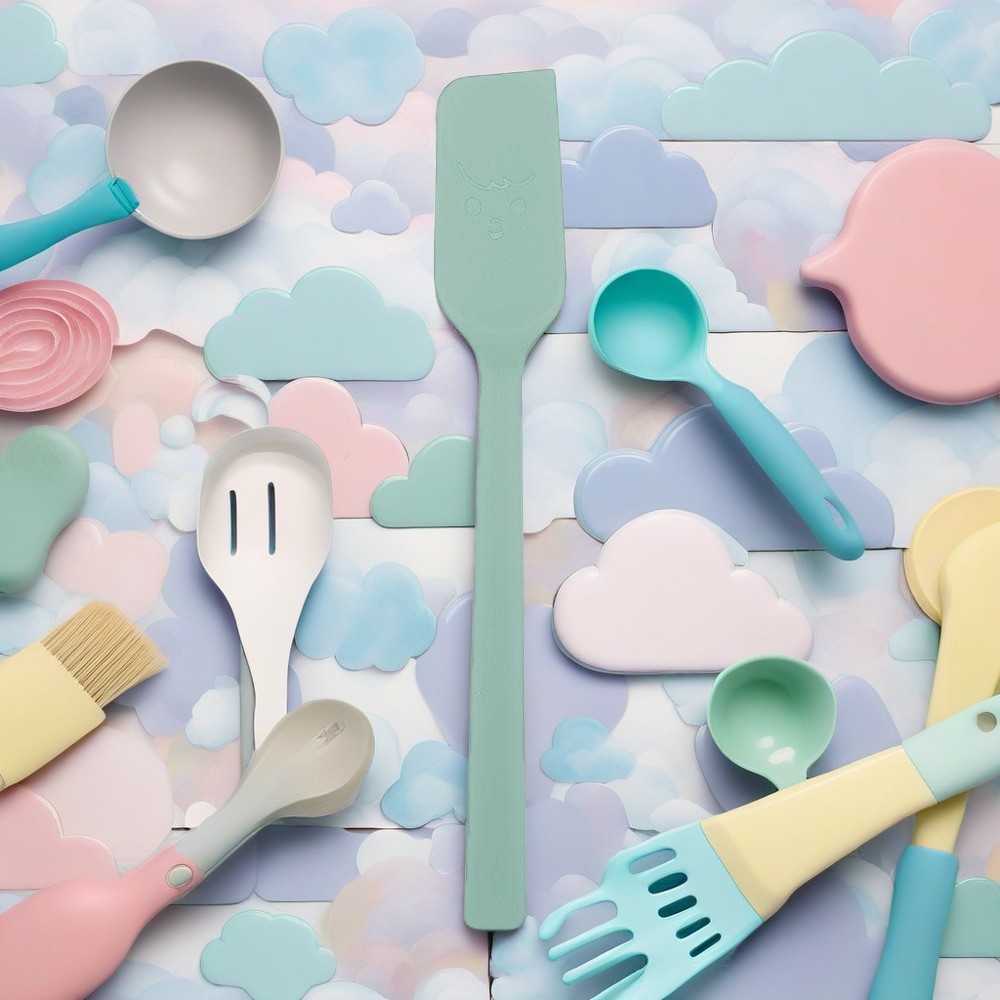
The original product notes describe a Mint Silicone Spatula made from durable, heat-resistant silicone, with a soft, smooth surface, a comfortable grip, and a playful embossed cartoon face on the head. They also mention a silicone can scraper and spreader with an embossed paw-print detail, described as a food-grade silicone tool that can help reduce food waste by reaching what is left inside cans or jars. This guide explains how to evaluate such utensils in a practical, use-focused way.
Key Takeaways
- Choose a silicone spoon or spatula by task: stirring, scraping, folding, spreading, or serving.
- Flexible edges are useful for bowls and pans, while firmer heads are better for heavier mixtures.
- Heat resistance is important, but always confirm the supplier’s stated temperature limits before use.
- Clean silicone promptly after oily, strongly colored, or aromatic foods to reduce staining and odor transfer.
- Decorative details can be enjoyable, but they should not make cleaning difficult.
Why Choose a Silicone Spoon for Cooking?
Silicone utensils are popular because they are soft enough for many delicate cooking surfaces and flexible enough to follow the curve of bowls, pans, and jars. Compared with a rigid metal spoon, a silicone spoon or spatula can remove more batter from a mixing bowl or sauce from the side of a pan. Compared with some wooden utensils, silicone is generally easier to rinse clean and does not absorb liquid in the same way.
A silicone spoon is especially helpful for tasks where scraping matters. When making pancakes, cakes, sauces, dressings, mashed vegetables, or spreads, the ability to press along the side of a bowl saves ingredients and reduces cleanup. The smooth surface described in the Mint Silicone Spatula also supports quick mixing and spreading, while the comfortable grip matters during repeated stirring or baking prep.
Silicone Spoon, Spatula, or Scraper: What Is the Difference?
The terms are often used loosely, but shape affects performance. A spoon-shaped silicone tool is useful for scooping and stirring. A spatula usually has a flatter head, which is better for folding, scraping, and spreading. A can scraper or jar scraper is usually narrower or more contoured so it can reach corners and edges where food is often left behind.
| Tool type | Best for | What to check before buying |
|---|---|---|
| Silicone spoon | Stirring sauces, serving soft foods, mixing small batches | Bowl depth, handle comfort, head firmness |
| Silicone spatula | Folding batter, scraping bowls, spreading icing or sauces | Flexible edge, angled head, smooth surface |
| Silicone can scraper | Removing food from cans, jars, and narrow containers | Head size, edge shape, ease of cleaning around details |
| Decorative silicone utensil | Everyday cooking with a playful design element | Whether embossed areas are easy to wash and dry |
Design Features That Matter in Daily Use
Small design choices can make a large difference. The original Mint Silicone Spatula description highlights an angled, flexible head. This is useful because an angled head can reach bowl walls and pan corners more easily than a straight, stiff shape. A flexible edge can also help scrape sauces, batters, and spreads without leaving as much residue behind.
Handle comfort is another practical factor. A utensil may look compact and attractive, but if the handle is too short, too thin, or slippery when wet, it becomes less pleasant to use. When comparing options, think about how you cook: do you stir thick mixtures, reach into tall jars, or use deep pots? Match the handle length and head size to those habits.
Decorative details, such as the embossed cartoon face or paw-print detail mentioned in the source text, can make a utensil more personal. However, design should not interfere with hygiene. Raised or recessed patterns should be simple enough to clean thoroughly, especially after sticky ingredients, pet food, sauces, or oily mixtures.
How to Select a Silicone Spoon or Spatula
Before purchasing, review the product description carefully and ask practical questions. The original article mentions durable, heat-resistant silicone, but it does not provide a specific temperature rating. That means a cautious buyer should confirm the stated heat limit with the seller before using the utensil in high-heat cooking, leaving it in a hot pan, or placing it near a flame.
- Define the main task. For baking, prioritize a flexible spatula edge. For soups and serving, choose a deeper spoon shape. For jars and cans, look for a narrow scraper.
- Check the material description. If food contact is important, confirm whether the supplier states the material is food-grade and ask for any available documentation.
- Confirm heat guidance. Ask for the recommended maximum temperature and whether the tool is intended for stovetop use, baking prep, or only mixing and serving.
- Inspect the head and handle connection. A smooth transition is easier to clean than deep seams or hard-to-reach gaps.
- Consider storage. A hanging hole or slim profile may matter if drawer space is limited.
Use and Care Tips for Longer Service
Good care keeps silicone utensils more pleasant to use. Wash the tool before first use and after every cooking session. Warm water, dish soap, and a soft sponge are usually enough for everyday cleaning. If food dries on the surface, soak the utensil briefly rather than scraping aggressively with sharp objects.
Silicone can pick up odors or stains from ingredients such as garlic, curry, tomato sauce, chili oil, or strongly colored foods. Cleaning soon after use helps. For lingering odors, wash thoroughly and allow the utensil to air-dry completely before storing. Avoid storing a damp silicone tool in a closed container, because trapped moisture can create unpleasant smells.
Even when a silicone utensil is described as heat-resistant, avoid resting it directly on hot cookware for long periods unless the supplier’s instructions specifically allow it. Do not cut against the silicone surface with knives, and avoid contact with open flames or exposed heating elements. If the surface becomes cracked, sticky, torn, or difficult to clean, it is time to replace the tool.
When a Silicone Can Scraper Makes Sense
A silicone can scraper and spreader is a practical addition if you often use canned ingredients, nut butters, sauces, condiments, or pet food. The source description notes that this type of tool can work as both a pet-care and cooking accessory and is intended to help avoid leaving food behind. Its value is simple: it reaches places that ordinary spoons often miss.
If one utensil is used for pet food and human food, hygiene becomes especially important. Many households prefer to keep separate tools for those uses. If you do use one tool across different tasks, wash and dry it carefully between uses, and make sure any embossed details are free from residue.
Practical FAQ
Can I use a silicone spoon in a nonstick pan?
Silicone utensils are commonly chosen for delicate cookware surfaces because they are softer than metal. Still, check both the cookware instructions and the utensil’s heat guidance before use.
Is a silicone spatula better than a wooden spoon?
Neither is always better. Silicone is useful for scraping bowls and flexible mixing, while wood can feel sturdy for heavy stirring. Many kitchens benefit from both.
How do I know if a silicone utensil is safe for food contact?
Look for a clear food-contact or food-grade statement from the seller, and ask for supporting documentation if needed. Do not assume details that are not listed.
Why does my silicone spoon smell after cooking?
Strong ingredients and oils can leave odors if the utensil is not cleaned promptly. Wash soon after use, rinse well, and let it dry fully before storage.
Should I choose a decorative silicone spoon?
Decorative elements can be enjoyable, such as embossed faces or paw prints, but choose designs that are easy to clean and do not reduce the tool’s usefulness.
Final Thoughts
A good silicone spoon, spatula, or scraper should make common cooking tasks easier: stirring, folding, scraping, spreading, and cleaning out containers. Focus on shape, flexibility, handle comfort, cleanability, and verified product information. A mint-colored spatula with a playful embossed face or a paw-print can scraper can add personality, but practical performance should come first. When in doubt, ask the supplier specific questions about material, heat limits, cleaning guidance, and intended use before making a purchase.
