




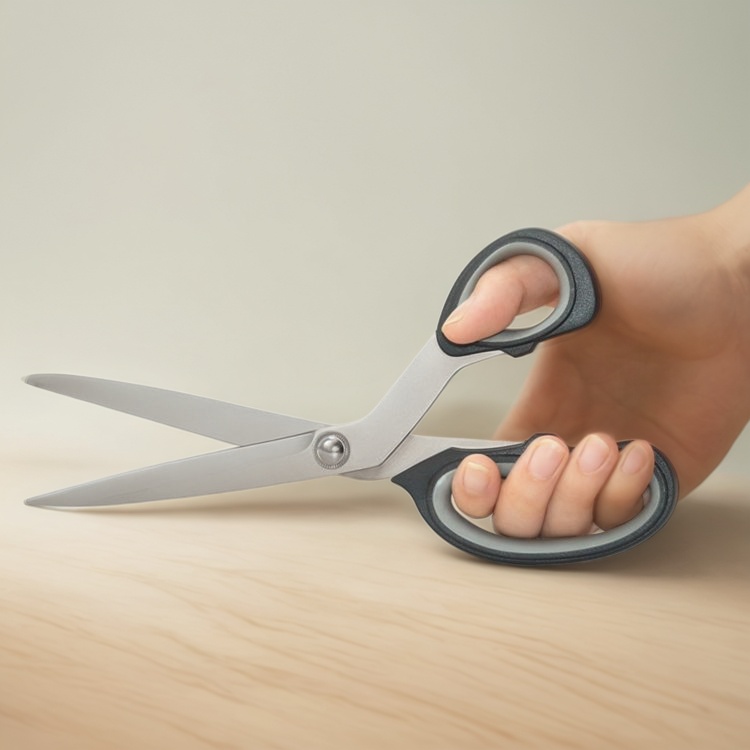
Soft Grip Scissors: Ergonomic Comfort and Precision
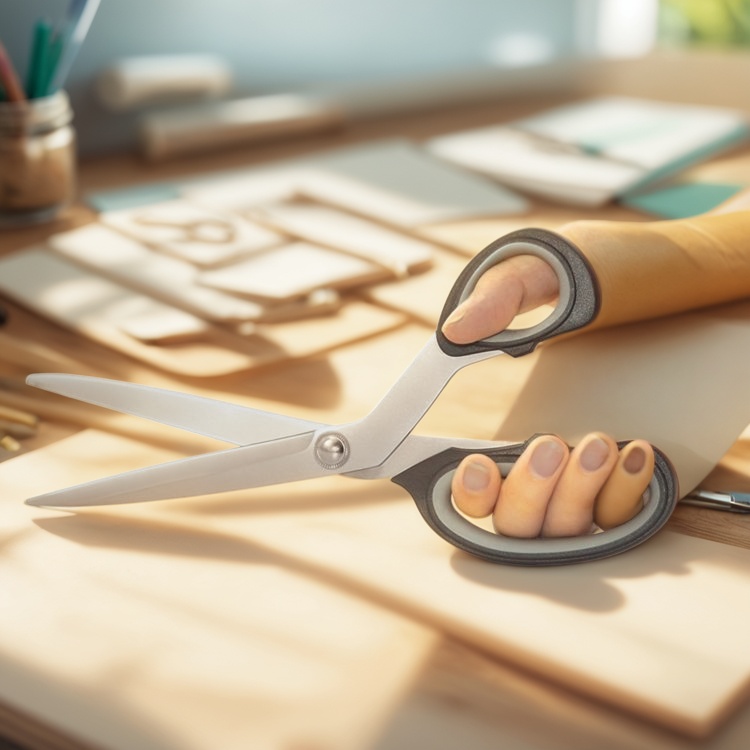
Soft grip scissors are designed to make everyday cutting tasks easier on the hand while maintaining the control needed for clean, accurate cuts. For homes, offices, classrooms, craft rooms, and light professional use, the handle can matter as much as the blade. A comfortable grip helps reduce pressure points, while a stable cutting action supports better precision when trimming paper, fabric, packaging, labels, and thin plastic sheets.
The original product description highlights several useful points: stainless steel blades, oversized loops, slip-free rubberized handles, and a design intended to support both right- and left-handed users. Those details make soft grip scissors a practical category to evaluate when comfort, control, and repeat use are important. This guide explains what to look for, how to compare options, and what questions buyers should ask before selecting scissors for personal use or wholesale sourcing.
Key Takeaways
- Soft grip scissors are useful when cutting comfort and hand control are priorities.
- Stainless steel blades can support sharpness and durability, but buyers should still ask about blade thickness, edge retention, and intended materials.
- Oversized loops and rubberized handles may help reduce hand strain during longer cutting sessions.
- For sourcing or OEM projects, confirm samples, packaging, quality checks, materials, and compliance requirements directly with the supplier.
What Makes Soft Grip Scissors Different?
The main distinction is the handle. Standard household scissors often use hard plastic handles, which can feel fine for short tasks but uncomfortable during repetitive cutting. Soft grip scissors add a rubberized or cushioned contact surface to improve hand feel and reduce slipping. This can be especially useful for craft projects, office preparation, school activities, and routine packaging tasks where the scissors are used repeatedly.
Ergonomic household scissors also focus on the shape of the handle openings. Oversized loops give the fingers more space and may make the scissors easier to control for different hand sizes. If the model is designed for both right- and left-handed users, buyers should still test whether the blade orientation, handle angle, and visibility of the cutting line feel comfortable in real use.
Blade Quality and Cutting Performance
The original article states that the scissors use stainless steel blades. Stainless steel is a common choice for household scissors because it can provide a sharp edge and resist everyday corrosion better than some untreated metals. However, not all stainless steel blades perform the same. Cutting quality depends on blade geometry, pivot tension, sharpening quality, blade thickness, and how well the two blades meet during the cut.
For general household use, look for scissors that cut smoothly from the base of the blade to the tip without tearing paper or snagging thin materials. For craft or office work, a precise tip can help with detailed trimming. For fabric, test on the types of material you actually expect to cut; scissors that work well on paper may not always perform well on textiles over time.
Comparison Checklist for Buyers
| Selection Factor | What to Check | Why It Matters |
|---|---|---|
| Handle comfort | Soft touch area, loop size, grip stability | Reduces slipping and improves control during repeated use |
| Blade material | Confirm stainless steel type if specified by the supplier | Helps assess durability, corrosion resistance, and maintenance needs |
| Cutting action | Smooth opening, closing, and full-length cutting | Prevents hand fatigue and uneven cuts |
| User fit | Right-hand, left-hand, or ambidextrous usability | Ensures comfort for different users in homes, schools, or workplaces |
| Intended use | Paper, fabric, packaging, labels, or thin plastics | Prevents choosing scissors that are too light or too heavy for the task |
| Sourcing details | Samples, packaging, inspection, lead time, and MOQ | Reduces purchasing risk for wholesale or OEM orders |
Best Uses Around the Home and Workplace
Soft grip scissors are versatile, but they should still be matched to realistic tasks. In a household drawer, they are useful for opening mail, trimming coupons, cutting gift wrap, preparing labels, and handling light packaging. In offices, they can support document preparation, shipping tasks, presentation materials, and stationery needs. In craft settings, the extra hand comfort can help when cutting repeatedly for paper projects, basic fabric work, templates, and decorations.
They are not a substitute for every cutting tool. Thick plastic, wire, cardboard layers, food preparation, or heavy fabric may require specialized scissors or shears. Using household scissors on inappropriate materials can dull the blade, loosen the pivot, or damage the handle.
Use and Care Tips for Longer Service
- Use the scissors only on suitable materials such as paper, light fabric, labels, and thin plastic sheets when appropriate.
- Wipe the blades clean after cutting adhesive labels, tape, or packaging to prevent sticky buildup.
- Dry the blades before storage, especially if they have been exposed to moisture.
- Store scissors closed and away from small children.
- Avoid dropping them, as impact can affect blade alignment or pivot tension.
If the scissors begin folding material instead of cutting it, the issue may be dull blades, loose pivot tension, or material that is too thick. For shared workspaces, consider keeping separate scissors for paper, fabric, and packaging so each pair performs better for its intended use.
Guidance for Wholesale, OEM, and Supplier Sourcing
For B2B buyers, soft grip scissors should be assessed through samples rather than catalog descriptions alone. Handle comfort, blade sharpness, pivot smoothness, and packaging quality are difficult to judge from photos. If sourcing for retail, promotional use, office supply distribution, or private label programs, request production samples and compare them against your target use case.
Because commercial details are not provided in the source article, buyers should ask the supplier direct questions instead of assuming capacity or compliance. Useful questions include: What blade material and thickness are used? What handle material is used for the soft grip? Is the design suitable for both right- and left-handed users? What packaging formats are available? What are the MOQ, lead time, sample policy, and inspection process? Can the supplier support logo printing or private label packaging? Are any destination-market compliance documents required for your sales channel?
For larger orders, define acceptance criteria before production. These may include blade sharpness checks, handle appearance, opening and closing smoothness, logo placement, packaging condition, and carton labeling. Clear specifications reduce misunderstandings and make final inspection more practical.
Practical FAQ
Are soft grip scissors better than standard scissors?
They can be better for repeated cutting because the cushioned handle may feel more comfortable and less slippery. For very short tasks, the difference may be less noticeable.
Can these scissors cut fabric?
The original article mentions fabrics among possible materials. For best results, test the specific fabric type and avoid using the same pair heavily on paper if you need clean fabric cuts.
Are soft grip scissors suitable for left-handed users?
The source states that oversized loops and slip-free rubberized handles cater to both right- and left-handed users. Buyers should still test comfort and blade visibility before bulk purchasing.
What should I ask before placing a wholesale order?
Ask about blade material, handle material, samples, MOQ, lead time, packaging options, quality inspection, customization options, and any compliance documents required by your market.
How do I keep the blades cutting smoothly?
Use them on appropriate materials, clean adhesive residue from the blades, keep them dry, and store them closed. Replace or professionally sharpen them if they become dull or misaligned.
