




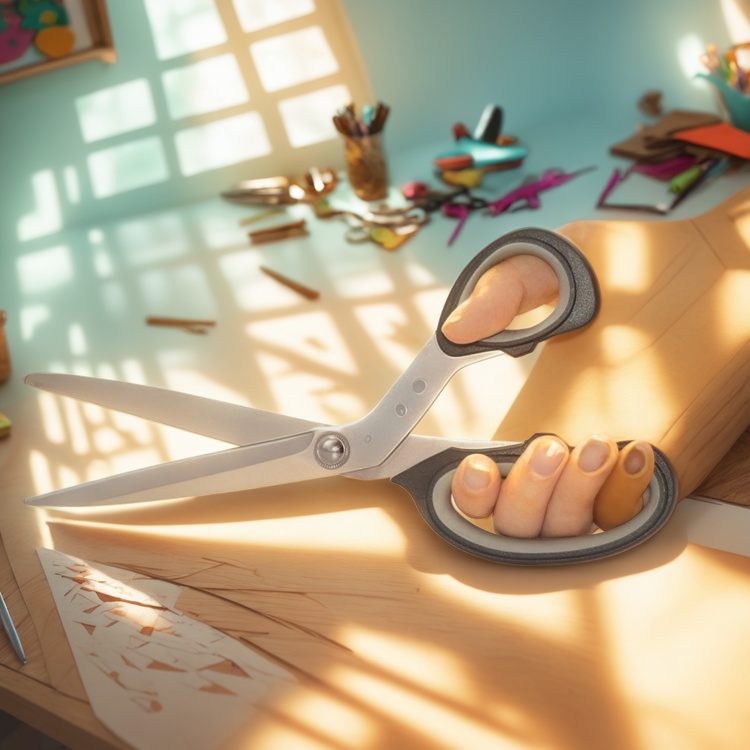
Soft Grip Scissors: Ergonomic Design and Precision Cutting
Soft grip scissors are designed to make repeated cutting tasks more comfortable while keeping control in the user’s hand. For homes, offices, craft rooms, classrooms, and light professional workspaces, the difference between a basic pair of scissors and an ergonomic pair can be noticeable after only a few minutes of use. A cushioned handle helps reduce pressure points, while a secure grip can improve accuracy when cutting paper, packaging, labels, fabric scraps, or craft materials.
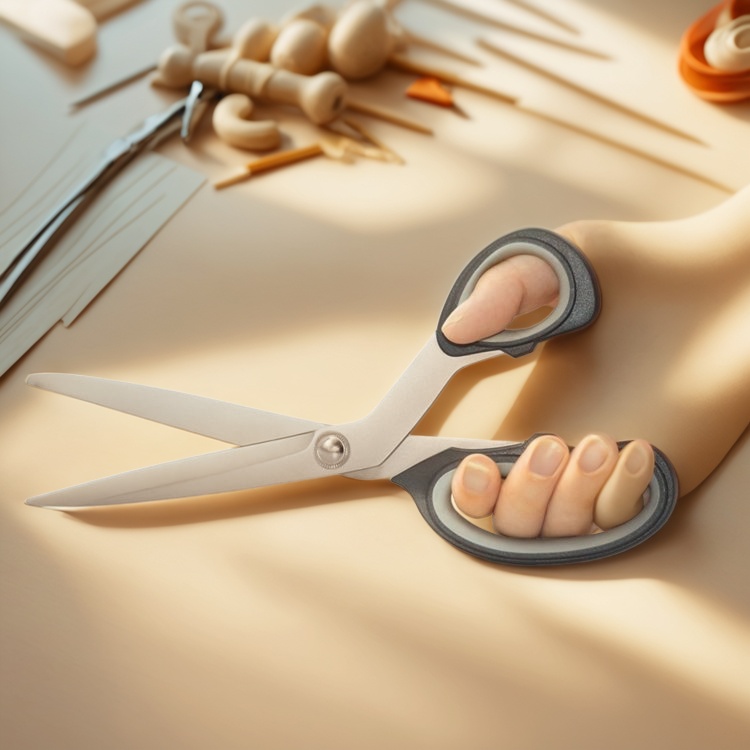
This guide explains what to look for when selecting soft grip scissors, how to match them to everyday tasks, and how to care for them so they remain useful over time. It is written for buyers who want practical product guidance rather than vague claims.
Key Takeaways
- Soft grip handles can improve comfort, especially during repeated cutting.
- Blade sharpness, alignment, and material matter as much as handle comfort.
- Choose the scissor size and blade shape according to the materials you cut most often.
- Clean and dry scissors after use, especially when cutting adhesive or damp materials.
- For bulk or OEM purchasing, ask suppliers specific questions about materials, packaging, samples, and quality control.
What Makes Soft Grip Scissors Different?
The defining feature of soft grip scissors is the handle design. Instead of a hard, narrow grip surface, these scissors use a softer touch area that spreads pressure across the fingers and thumb. This can help users maintain control without squeezing as tightly, which is useful for longer sessions such as preparing classroom materials, trimming product tags, cutting coupons, or working on crafts.
Soft grip does not automatically mean a scissor is high quality. A good pair should combine handle comfort with blade performance. The original product description notes stainless steel blades, a common choice for household scissors because stainless steel resists corrosion better than many untreated metals and can support smooth daily cutting when properly sharpened and maintained. Buyers should still check blade thickness, edge finish, pivot tightness, and whether the tips meet cleanly.
Best Uses for Ergonomic Household Scissors
Soft grip scissors are most useful in situations where comfort and control both matter. They are suitable for many everyday materials, but they should not be used as a substitute for heavy-duty cutters when the material is too thick or hard.
- Home organization: opening light packaging, cutting labels, trimming paper, and handling small household tasks.
- Office use: cutting documents, envelopes, tape, tags, presentation boards, and stationery items.
- Craft activities: trimming paper, ribbon, thin cardboard, and lightweight decorative materials.
- School or classroom use: repeated cutting of worksheets, posters, and craft sheets, where comfort helps reduce hand fatigue.
- Light workshop tasks: cutting flexible materials such as string or thin plastic film, depending on blade strength.
For food preparation, medical use, electrical work, or industrial cutting, choose a scissor or shears type specifically designed and labeled for that purpose. General household scissors are not automatically suitable for every specialized task.
How to Choose the Right Pair
When comparing soft grip scissors, start with how they feel in the hand. The finger loops should not pinch, and the thumb hole should allow a natural motion. If multiple people will use the same scissors, a medium-size ergonomic design may be more versatile than a very small or oversized pair.
Next, examine the blades. Good household scissors should open and close smoothly, with the blades touching evenly as they pass. A loose pivot can make cutting feel uneven, while an overly tight pivot can increase strain. Look at the tip as well: pointed tips help with detailed cutting, while rounded tips may be safer for general family or classroom use.
Finally, consider storage and cleaning. If scissors will often cut tape, glue-backed labels, or packaging, adhesive residue can build up quickly. A pair that is easy to wipe clean will stay more comfortable and precise.
Comparison Checklist for Buyers
| Feature to Check | Why It Matters | What to Ask or Inspect |
|---|---|---|
| Handle comfort | Reduces pressure during repeated use | Is the grip soft, stable, and comfortable for different hand sizes? |
| Blade material | Affects sharpness, corrosion resistance, and durability | Is the blade stainless steel as stated, and how is the edge finished? |
| Blade alignment | Determines whether cuts are clean from base to tip | Do the blades meet evenly without gaps or wobble? |
| Pivot construction | Controls smooth opening and closing | Is the pivot firm, adjustable, or securely fixed? |
| Tip shape | Influences safety and detail cutting | Do you need pointed tips for precision or rounded tips for safer general use? |
| Packaging and labeling | Important for retail, wholesale, and storage | What packaging options, barcode needs, or warning labels should be confirmed? |
Use and Care Tips for Longer Service
Even a comfortable pair of scissors will perform poorly if it is misused or neglected. Use the right cutting tool for the material. Thick cardboard, wire, cable ties, and hard plastic can damage household scissor blades or loosen the pivot. If resistance feels excessive, stop and switch to a more suitable cutter.
- Wipe blades after cutting tape, stickers, or adhesive labels.
- Dry the scissors before storage if they have been exposed to moisture.
- Store them closed in a drawer, holder, or protective sleeve to prevent accidental cuts.
- Keep them away from children unless the scissors are age-appropriate and supervised.
- Do not use household scissors as a screwdriver, scraper, can opener, or pry tool.
If the blades begin to drag or fold paper instead of cutting it, the edge may be dull or the pivot may be loose. Some scissors can be sharpened, while others are more economical to replace. Check the product design before attempting adjustment or sharpening.
Guidance for Wholesale, OEM, or Supplier Sourcing
For retailers, distributors, or private-label buyers sourcing soft grip scissors, product evaluation should go beyond appearance. Ask the supplier clear questions before confirming an order. Relevant questions may include: What blade material is used? What handle material is used for the soft grip area? Are samples available for cutting tests? What packaging formats are offered? Can artwork, color, or labeling be customized? How is blade alignment checked during production?
A buyer should also request information about order quantities, lead times, inspection standards, and shipping packaging. Do not assume certifications, test results, or compliance claims unless the supplier provides current documentation for the specific product and market. If selling into regulated retail channels, confirm labeling, safety warnings, and documentation requirements with the supplier and your local compliance advisor.
Common Mistakes to Avoid
One common mistake is choosing scissors only by handle color or appearance. Comfort matters, but the blades still need to cut cleanly. Another mistake is using the same scissors for every material. Cutting abrasive or sticky items regularly can reduce performance for paper or craft work. It is often better to keep separate scissors for paper, packaging, and craft materials.
Buyers should also avoid vague product descriptions. Terms such as ergonomic, premium, or durable are useful only when supported by specific information. A practical listing should explain the blade material, handle design, intended use, size, and care instructions.
FAQ
Are soft grip scissors better than regular scissors?
They can be better for users who cut frequently or need a more comfortable hold. The soft handle may reduce pressure on the fingers, but blade quality and alignment are still essential.
Can soft grip scissors cut fabric?
They may cut some lightweight fabric scraps, but dedicated fabric scissors are usually better for sewing or textile work. Avoid using paper scissors on fabric if clean textile cuts are important.
How do I remove sticky residue from the blades?
Wipe the blades carefully with a suitable household cleaner on a cloth, then dry them fully. Avoid soaking the handle unless the manufacturer states that it is safe.
What should bulk buyers ask a supplier before ordering?
Ask about blade and handle materials, sample availability, packaging options, customization limits, inspection process, lead time, and any documentation required for your sales market.
When should scissors be replaced?
Replace them when the blades are chipped, badly misaligned, uncomfortable to use, or no longer cut cleanly after normal cleaning and maintenance.
