




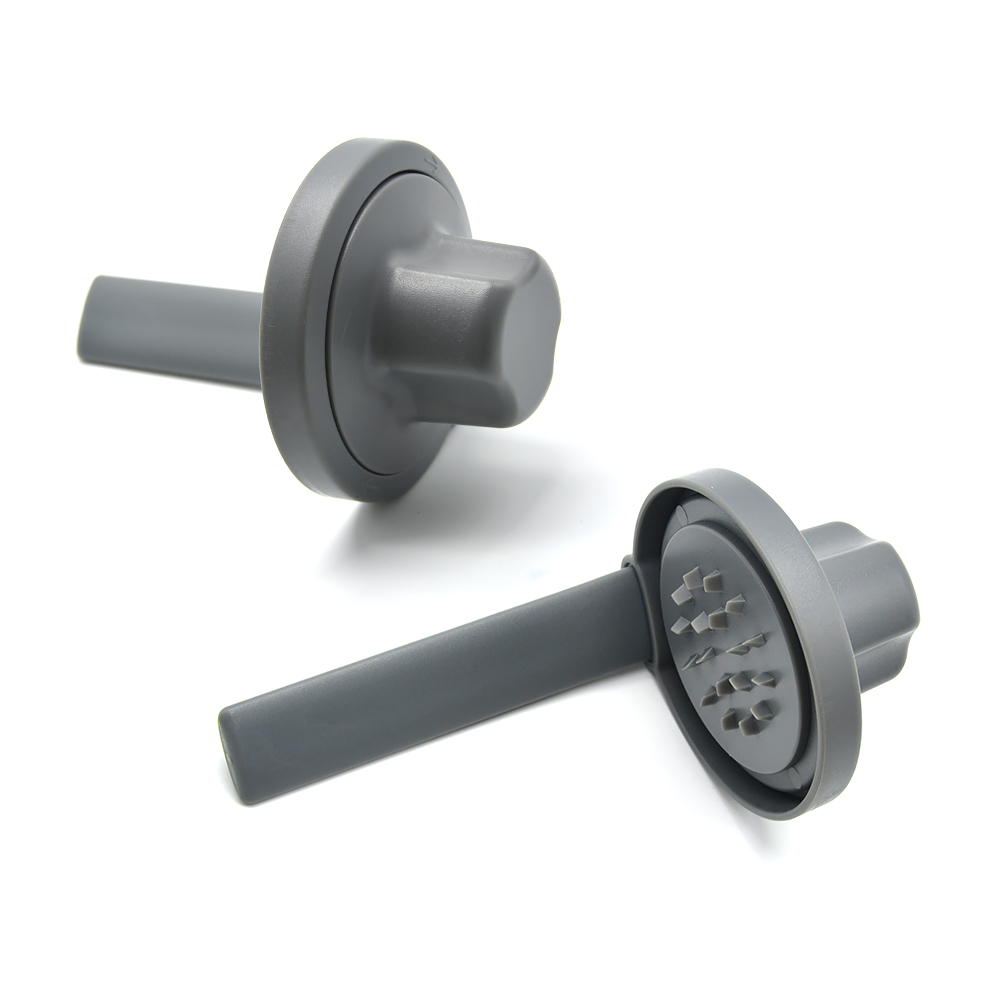
Spiralizer Manufacturing: How to Source Vegetable Spiralizers with Confidence
Spiralizers have become familiar kitchen tools for turning vegetables into spirals, ribbons, or noodle-style cuts. For importers, wholesalers, private-label brands, and promotional product buyers, the sourcing challenge is not only finding an attractive item. It is understanding how spiralizer manufacturing affects safety, cutting performance, durability, packaging, and the end-user experience.
The original product concept often overlaps with multi-function manual vegetable chopper and grater sets, especially when a supplier offers interchangeable blades for grating, slicing, chopping, or spiral cutting. These compact tools can be practical for kitchens with limited storage space, but they also require careful supplier review because blade sharpness, handle comfort, container fit, and cleaning convenience all influence customer satisfaction.
Key Takeaways
- Spiralizer sourcing should start with the intended user, target channel, and expected cutting tasks.
- Do not assume materials, certifications, or performance results; ask the factory for written details and supporting documents.
- Blade design, assembly accuracy, grip comfort, and container stability are central quality points.
- Samples should be tested with real vegetables, not evaluated only by appearance.
- Clear packaging, labeling, and spare-part expectations help reduce after-sales problems.
What Spiralizer Manufacturing Usually Involves
Vegetable spiralizer production typically includes material selection, blade forming, plastic part molding, handle or pusher assembly, container matching, final inspection, and packaging. In a factory environment, the exact process depends on the product structure. A handheld spiralizer, a crank-style unit, and a manual chopper-and-grater set with interchangeable blades each require different tooling and assembly control.
Many spiralizers rely on metal cutting components and molded plastic housings or containers. The original article mentioned stainless steel blades as a common focus for durability and rust resistance, but buyers should not treat that as a universal specification. Instead, ask the supplier to confirm the exact blade material, plastic material, food-contact suitability, and any test reports available for the target market.
Manufacturing precision matters because small variations can affect how smoothly vegetables feed into the blade. If the blade angle is inconsistent, the tool may tear produce instead of creating even spirals. If the container or lid fit is loose, chopped ingredients may spill during use. If the grip is uncomfortable, consumers may avoid using the product for longer preparation tasks.
Factory Evaluation Questions for B2B Buyers
A spiralizer factory should be evaluated beyond its product photos. Buyers should request samples, production information, and clear answers to commercial and technical questions. Avoid relying on broad claims such as “high quality” or “export standard” without evidence.
| Evaluation Area | What to Check | Questions to Ask the Supplier |
|---|---|---|
| Product structure | Blade layout, handle design, pusher, lid, container, and storage method | Which parts are interchangeable, removable, or replaceable? |
| Materials | Blade metal, plastic parts, grip components, and transparent container material | Can you provide material names and food-contact documentation for our market? |
| Cutting performance | Consistency on zucchini, carrot, cucumber, potato, or other target vegetables | Which produce types were used during internal testing? |
| Assembly quality | Blade seating, lid fit, container stability, burrs, sharp edges, and loose parts | What inspection steps are used before packing? |
| Packaging | Retail box strength, instructions, warning labels, barcode space, and carton packing | Can packaging be customized, and what artwork files are required? |
| Commercial terms | MOQ, lead time, sample cost, tooling needs, spare parts, and after-sales handling | What details change for OEM or private-label orders? |
Blade, Material, and Design Considerations
The blade is the core performance component of any spiralizer. For a multi-functional manual vegetable chopper and grater set, different inserts may be used for slicing, grating, chopping, or spiral-style preparation. Buyers should check whether each blade is secured firmly, whether it can be removed safely for washing, and whether a safe storage solution is included.
Material selection should be discussed in exact terms. If a supplier states that the blades are stainless steel, ask which grade is used and whether it is suitable for the intended food-contact application. If transparent containers are included, ask about clarity, impact resistance, dishwasher guidance, and whether the material may discolor after repeated use with carrots, beets, or tomato-based ingredients.
Ergonomics are also important. The original article noted comfortable grips as a feature manufacturers may consider to reduce hand fatigue. For sourcing, this should become a test point: can users hold the product securely when vegetables are wet? Is the pushing motion stable? Are there sharp plastic edges around the handle, lid, or blade frame?
Sample Testing Before Placing an Order
Samples should be evaluated by people who are not involved in the sale. A practical test does not need to be complicated, but it should be consistent. Use the same vegetables, the same washing and drying conditions, and the same user instructions for each supplier sample.
- Inspect the product straight out of the box for scratches, loose parts, odor, stains, or incomplete assembly.
- Wash and dry the parts according to the supplier’s instructions before use.
- Test several vegetables with different hardness levels, such as cucumber, zucchini, carrot, and potato.
- Record whether spirals or slices are even, whether the tool jams, and how much waste remains.
- Check user safety during blade changing, cleaning, and storage.
- Review the instruction manual for clear language, warnings, diagrams, and care guidance.
For wholesale or OEM orders, ask whether pre-production samples will match mass production materials, colors, blade geometry, and packaging. If the supplier proposes substitutions, require written approval before production begins.
Quality Control Points in Spiralizer Production
Quality control should cover both appearance and function. A product can look appealing in a photo but fail during routine kitchen use. Useful inspection points include blade sharpness consistency, plastic surface finish, lid and container fit, color matching, printed logo placement, and carton drop protection.
Buyers should also clarify acceptable quality limits, inspection timing, and responsibility for defective goods. If third-party inspection is required, confirm whether the factory can support it before shipment. For private-label products, packaging inspection is especially important because incorrect labels, missing warnings, or unclear instructions can create avoidable customer complaints.
Do not invent compliance assumptions. Requirements vary by destination market and sales channel. Ask the supplier what documentation they can provide for food-contact materials, packaging, restricted substances, and labeling. Then verify whether those documents meet your importer, retailer, or marketplace requirements.
OEM, Wholesale, and Packaging Considerations
Spiralizers are often purchased for retail, e-commerce bundles, kitchenware lines, and promotional programs. Before requesting a quotation, define the target product clearly: standalone spiralizer, chopper-and-grater set, interchangeable blade kit, transparent container version, or compact storage design. This helps suppliers quote accurately and avoids confusion later.
For OEM projects, ask whether customization is limited to packaging and logo printing or whether tooling changes are possible. Tooling, color matching, manual design, and packaging artwork may affect cost and schedule, so these details should be confirmed early. If your business needs replacement blades, multilingual manuals, retail-ready cartons, or e-commerce protective packaging, include those requirements in the first inquiry.
A strong sourcing brief should include target market, order quantity estimate, preferred materials, required tests or documents, packaging type, barcode and labeling needs, and shipment schedule. The more specific the brief, the easier it is to compare suppliers fairly.
Practical FAQ
What is the most important factor when sourcing a vegetable spiralizer?
Cutting performance and safe blade handling are usually the most important. A sample should be tested with real vegetables and checked for ease of cleaning, stability, and safe storage.
Can a spiralizer factory make private-label packaging?
Many kitchenware suppliers offer some form of packaging customization, but buyers should ask about artwork requirements, minimum quantities, lead time, sample approval, and whether customized manuals or warning labels are available.
Should buyers require stainless steel blades?
Stainless steel is commonly used for kitchen cutting tools, but buyers should ask the supplier to confirm the exact material and provide relevant documentation for the destination market. Do not rely on assumptions from product photos.
How can wholesalers reduce complaints about spiralizers?
Choose products with clear instructions, secure blade storage, stable containers, and tested cutting performance. Also confirm packaging protection so the product does not arrive with damaged blades, cracked containers, or missing accessories.
What should be included in a supplier inquiry?
Include product type, target channel, estimated quantity, material expectations, packaging needs, logo requirements, documentation requests, sample request, and shipment timeline. This helps the supplier provide a more useful quotation.
Spiralizer manufacturing is not only about producing a convenient kitchen gadget. For B2B buyers, it is a sourcing process that requires technical questions, sample testing, packaging review, and clear supplier communication. By focusing on measurable product details instead of broad claims, buyers can select vegetable spiralizers and multi-functional chopper sets that better match customer expectations.
