




Spiralizer Manufacturing: A Practical Sourcing Guide for Kitchenware Buyers
Spiralizers are simple-looking kitchen tools, but producing them consistently at wholesale scale requires careful design, material selection, blade handling, assembly control, and packaging planning. For importers, retailers, promotional buyers, and kitchenware brands, understanding spiralizer manufacturing helps reduce sourcing risk and improves the quality of supplier discussions.
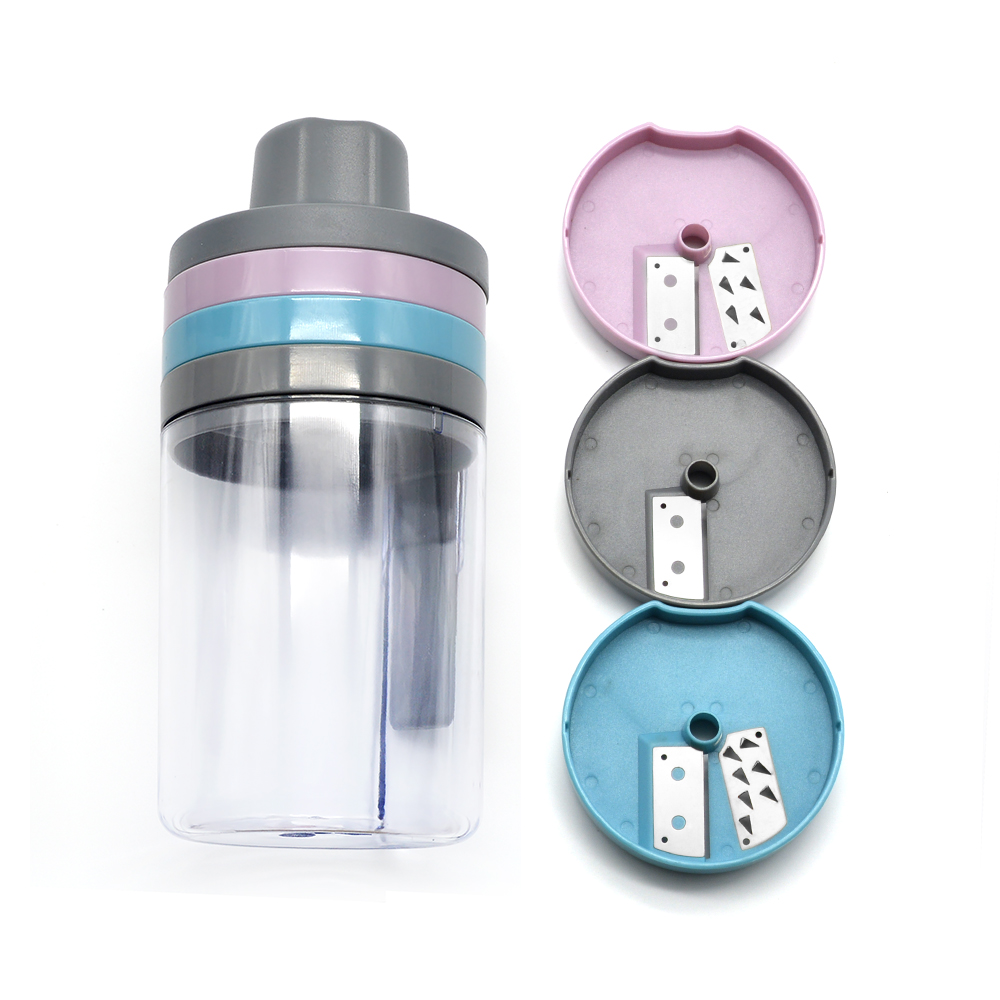
The original concept is straightforward: a spiralizer transforms vegetables into spirals, ribbons, or slices for salads, stir-fries, garnishes, and low-carbohydrate meal preparation. Products such as a Multi-Function Spiralizer & Slicer Set may include ergonomic handles and multiple blade attachments, with slicer discs in colors such as pink, blue, and grey. However, buyers should not evaluate a spiralizer only by appearance. The key question is whether the factory can produce a safe, comfortable, repeatable, and easy-to-use tool batch after batch.
Key Takeaways
- Spiralizer sourcing should focus on blade performance, user safety, cleaning, packaging protection, and consistency.
- Ask suppliers to confirm actual materials, blade details, testing methods, and applicable market requirements instead of assuming specifications.
- For OEM or private label projects, clarify tooling, color matching, packaging artwork, sample approval, inspection plans, and spare-part expectations early.
How Spiralizer Manufacturing Typically Works
Vegetable spiralizer production usually begins with product design and engineering review. The supplier checks the intended cutting functions, handle shape, blade arrangement, and how parts will be assembled. If the product includes interchangeable discs or attachments, the design must allow users to change parts without excessive force while keeping sharp edges protected during normal handling.
Next, the manufacturer prepares or uses existing molds for plastic components, forms or sources metal cutting parts, and organizes assembly steps. In a spiralizer factory, workers or automated fixtures may assemble handles, bodies, discs, guards, containers, or accessory parts depending on the design. Each stage should have a clear quality checkpoint, especially where sharp parts are installed.
Buyers should ask whether the supplier manufactures all components in-house or purchases certain parts from subcontractors. Neither model is automatically better, but the supplier should be able to explain how incoming parts are checked and how traceability is maintained for production batches.
Materials and Components to Verify
The original article refers to raw materials such as plastics and stainless steel, but buyers should verify the exact materials for any specific order. For a spiralizer, material choices affect durability, cutting performance, food contact suitability, cleaning, and perceived value.
Common areas to review include the main body, handle, blade or slicer discs, storage container if included, non-slip base if included, and packaging inserts. If a supplier says the blades are stainless steel, ask for the grade, thickness, hardness target if relevant, and how corrosion resistance is evaluated. If the body is plastic, ask for the resin type, whether it is intended for food-contact use, and whether colorants are suitable for the destination market.
For colored slicer discs such as pink, blue, and grey, buyers should also clarify color tolerance. If retail presentation matters, request a signed color standard or approved sample so later production can be compared against it.
Factory Capability Questions for B2B Buyers
A reliable sourcing process depends on asking specific questions. Instead of requesting only a quotation, prepare a short supplier checklist that covers production, quality, documentation, and customization. This is especially important for OEM, wholesale, and private label kitchenware projects.
- What parts are produced in-house, and what parts are outsourced?
- Can the supplier provide pre-production samples before mass production?
- How are blade sharpness, fit, and assembly checked during production?
- What materials are used for food-contact components, and what documents can support those claims?
- Which packaging options are available for retail, e-commerce, or bulk shipment?
- Can the supplier support logo placement, color customization, instruction sheets, or barcode labels?
- What quality inspection standard will be used before shipment?
- What are the lead time, MOQ, tooling requirements, and payment terms for the exact project?
These questions do not assume a supplier has a particular certification, capacity, or commercial policy. They help buyers collect comparable information and identify issues before placing an order.
Comparison Checklist: What to Review Before Ordering
| Review Area | Why It Matters | Buyer Questions |
|---|---|---|
| Cutting performance | Determines whether vegetables form clean spirals, ribbons, or slices. | Which vegetables were used for sample testing, and can videos or samples be provided? |
| Blade safety | Sharp parts create user and packing risks. | Are blade guards, safe storage, or warning labels included? |
| Handle comfort | Ergonomic use affects customer satisfaction. | Has the handle been tested with wet hands or harder vegetables? |
| Part fit | Loose attachments can reduce control and durability. | What tolerances are checked during assembly? |
| Cleaning | Food residue can collect around blades and joints. | Can parts be disassembled, and what care instructions are provided? |
| Packaging | Protects sharp components and supports retail presentation. | Is packaging designed for drop, compression, or e-commerce handling? |
| Documentation | Supports import, retail, and internal compliance review. | What material declarations or test reports can the supplier provide for the target market? |
OEM and Private Label Considerations
For OEM spiralizer projects, customization may include colors, packaging artwork, logo placement, instruction manuals, blade combinations, and accessory sets. Buyers should separate cosmetic customization from structural changes. Changing packaging color is usually simpler than modifying the blade layout or handle geometry, which may require tooling review and additional validation.
Before approving mass production, request a golden sample that represents the final materials, colors, functions, printing, and packaging. Keep one approved sample with the buyer and one with the supplier. This makes later inspection more objective. If the order includes multiple slicer discs, confirm the exact quantity, color, function, and packing position of each disc in writing.
Instruction content also deserves attention. A spiralizer is used close to sharp cutting edges, so clear use and cleaning guidance can reduce confusion. Ask the supplier whether they can provide editable instruction files, or prepare your own instructions for review according to your destination market requirements.
Quality Control During Production
Spiralizer quality control should not be limited to a final carton count. Useful checks may include incoming material inspection, first-article approval, in-process assembly checks, blade installation review, appearance inspection, functional cutting trials, and packaging verification. The exact inspection plan should match the product design and order quantity.
For cutting trials, choose vegetables that reflect realistic consumer use. Very soft or unusually uniform test materials may not reveal practical issues. Buyers can ask the supplier to test with common items such as zucchini, cucumber, carrot, or potato, depending on the product’s intended function. The point is not to demand unrealistic performance from a compact kitchen tool, but to confirm that the advertised functions are reasonable and repeatable.
Packaging inspection is also important. Sharp components should not puncture bags, scratch visible surfaces, or move freely in a way that damages the product before it reaches the shelf or customer.
Practical FAQ
What should I ask a spiralizer supplier first?
Start with the product configuration, materials, blade functions, available packaging, MOQ, lead time, sample policy, and quality inspection process. Ask for clear photos, videos, or samples instead of relying only on a catalog image.
Can a spiralizer factory support private label orders?
Many kitchenware suppliers may offer some level of customization, but the details vary. Ask specifically about logo methods, color matching, packaging artwork, instruction sheets, barcode labels, tooling needs, and approval samples.
How can I judge blade quality before placing a bulk order?
Request samples and test them with vegetables that match your target customers’ use. Check cut consistency, ease of operation, blade stability, cleaning difficulty, and whether sharp edges are safely protected when stored.
What documents should importers request?
Ask the supplier what material declarations, food-contact documents, test reports, or compliance information they can provide for your destination market. Requirements differ by country and sales channel, so buyers should verify them with qualified advisors when needed.
Is the lowest quotation the best choice?
Not always. A very low price may involve simpler packaging, thinner components, fewer accessories, limited inspection, or different materials. Compare quotations using the same specification sheet so each supplier is pricing the same product.
Final Sourcing Advice
Spiralizer manufacturing combines basic kitchenware engineering with the extra care required for sharp cutting components. A good sourcing process looks beyond attractive colors and asks how the product is made, checked, packed, and supported. For B2B buyers, the most effective approach is to define the exact product set, confirm materials and functions, approve samples, and agree on inspection criteria before production begins. That preparation helps turn a simple vegetable spiralizer into a more dependable wholesale product.
