




Stainless Steel Fabric Scissors: Practical Selection and Sourcing Guide
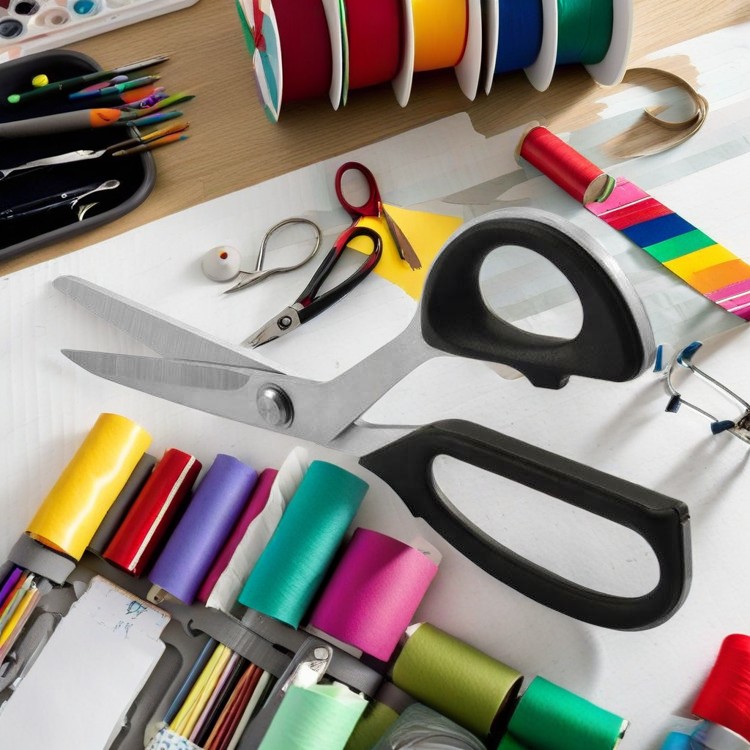
Stainless steel fabric scissors are used by sewing studios, craft brands, tailoring shops, schools, and home sewing users because they are built for controlled cutting through fabric and other soft materials. Unlike general office scissors, fabric scissors should offer a clean edge, stable blade alignment, and comfortable handling during repeated cuts. For buyers comparing products for retail, wholesale, or OEM programs, the key is not only whether a pair looks sharp on a product page, but whether it performs consistently across different fabrics and over time.
The original product description highlights stainless steel blades, black ergonomic handles, precision cutting, durability, and an emphasis on longer service life. This rewritten guide expands those points into practical selection advice. It also explains what sourcing teams should ask a supplier before placing a bulk order, without assuming unverified details such as material grade, certifications, production capacity, or minimum order quantity.
Key Takeaways
- Fabric scissors should be evaluated for cutting accuracy, comfort, blade alignment, and long-term usability.
- Stainless steel blades can support durability and corrosion resistance, but buyers should ask the supplier to confirm the exact steel grade and finish.
- Ergonomic black handles may reduce fatigue during longer sewing or crafting sessions, but sample testing is recommended.
- For wholesale or OEM sourcing, confirm packaging, labeling, inspection standards, lead time, and compliance requirements before ordering.
- Proper care, including keeping fabric scissors away from paper and hard materials, helps maintain cutting performance.
What Makes Fabric Scissors Different?
Fabric scissors are designed for cleaner, more controlled cuts than everyday scissors. In sewing and craft work, a rough cut can distort fabric edges, waste material, or make pattern matching more difficult. A well-made pair should open and close smoothly, maintain contact between the blades, and allow the user to cut along both straight and curved lines.
For cotton, felt, lightweight upholstery fabric, craft cloth, or similar materials, blade geometry matters. If the blades are too loose, fabric may fold between them instead of being cut. If the handles are uncomfortable, users may lose control during long cutting sessions. This is why product selection should include both performance checks and ergonomic checks, not just appearance.
Stainless Steel Blades: What Buyers Should Verify
The product is described as using stainless steel blades. Stainless steel is widely chosen for tools because it can resist rust better than many untreated steels and can provide a durable cutting edge when manufactured and maintained properly. However, the term stainless steel is broad. For B2B purchasing, it is important to ask the supplier for the specific blade material information rather than making assumptions.
Useful questions include: What stainless steel grade is used? Is the blade hardened, polished, or surface treated? How is blade sharpness inspected? What cutting test is used before shipment? Are replacement or warranty policies available for defective items? A reliable sourcing decision should be based on documented specifications and approved samples, especially if the scissors will be sold under a private label.
Handle Comfort and Cutting Control
The original article notes ergonomic black handles. Handle comfort is more than a design preference. Tailors, craft workers, and packaging teams may use scissors repeatedly, so grip shape, finger opening size, and handle surface can affect fatigue and accuracy. A handle that feels acceptable for one minute may become uncomfortable after cutting multiple fabric layers or repeated pattern pieces.
When reviewing samples, test the scissors with different hand sizes and cutting angles. Ask users whether the grip creates pressure points, whether the thumb and fingers have enough room, and whether the handle provides stable control when starting or finishing a cut. If sourcing for retail, consider whether the handle design fits the target user group, such as beginners, hobby sewists, students, or professional tailoring users.
Comparison and Sourcing Checklist
| Evaluation Point | Why It Matters | Questions to Ask a Supplier |
|---|---|---|
| Blade material | Influences durability, corrosion resistance, and edge retention. | What stainless steel grade is used, and can it be confirmed in writing? |
| Cutting performance | Determines whether fabric edges stay clean and accurate. | What fabrics are used for internal cutting tests before shipment? |
| Blade alignment | Poor alignment can cause snagging, folding, or uneven cuts. | How is blade tension checked during quality inspection? |
| Handle design | Affects comfort, safety, and control during repeated use. | Can samples be tested by different users before order confirmation? |
| Packaging | Important for retail presentation, shipping protection, and barcode labeling. | What packaging options are available for wholesale or OEM orders? |
| Compliance needs | Retail markets may require specific labeling or documentation. | Which documents can be provided for the destination market? |
OEM, Wholesale, and Supplier Evaluation Tips
If the purchase is for wholesale, a retail range, or OEM houseware and sewing accessories, start with a written product brief. Include target size, handle color, packaging style, labeling requirements, inspection criteria, and expected sales channel. A clear brief helps prevent misunderstandings and makes quotations easier to compare.
Before confirming a supplier, request physical samples and test them against the intended use. Do not rely only on photos. Check whether the screw or pivot is stable, whether blades close evenly from base to tip, and whether the scissors cut cleanly near the blade tips. If the product will be branded, ask about logo placement methods, artwork files, packaging proofs, and approval steps. Also ask about lead time, minimum order quantity, payment terms, and how quality issues are handled, rather than assuming any fixed commercial terms.
How to Test Stainless Steel Fabric Scissors Before Ordering
A simple sample test can reveal much about quality. Use several fabric types that reflect real customer use. Try long straight cuts, short snips, and curves. The scissors should not push fabric away, chew the edge, or require excessive hand pressure. Listen for rough grinding sounds and feel for looseness at the pivot.
- Inspect the blades visually for chips, burrs, stains, or uneven finishing.
- Open and close the scissors several times to check smooth movement.
- Cut a single fabric layer, then test multiple layers if relevant to your buyers.
- Cut near the blade tips to check precision in small areas.
- Ask several users to test handle comfort and control.
- Record results with photos or notes before approving bulk production.
Use and Care for Longer Service Life
Even good fabric scissors can lose performance if used incorrectly. The most important habit is to reserve them for fabric and suitable craft materials. Cutting paper, cardboard, wire, plastic packaging, or adhesive materials can dull or damage the blade edge. In shared classrooms, studios, and workrooms, label the scissors clearly so they are not used as general-purpose tools.
After use, wipe the blades dry and store the scissors in a safe place where the edges will not knock against other metal tools. If the pivot becomes stiff, users can ask the supplier whether a small amount of suitable lubricant is recommended. For retail brands, adding basic care instructions to packaging can reduce customer complaints and help users maintain the product properly.
Eco-Friendly Claims: Be Specific and Verifiable
The original topic includes eco-friendly fabric scissors. A practical way to approach this claim is to focus on durability, repairability where applicable, responsible packaging, and reduced replacement frequency. Longer-lasting tools can reduce waste compared with tools that are discarded quickly, but buyers should avoid broad sustainability claims unless the supplier provides evidence.
For sourcing, ask whether recyclable packaging options are available, whether packaging can be reduced, and whether any environmental documentation applies to the product or factory. Do not assume certifications or responsible sourcing programs unless they are verified. Clear, accurate language is safer for brands and more useful for customers.
FAQ
Are stainless steel fabric scissors only for sewing?
No. They are commonly used for sewing, tailoring, quilting, craft projects, and cutting suitable soft materials. They should not be treated as general-purpose scissors for hard or abrasive materials.
How do I know if a pair is sharp enough?
Test the scissors on the fabric types your customers will actually cut. A good pair should cut smoothly from the base of the blades toward the tip without snagging or folding the fabric.
What should wholesale buyers confirm before ordering?
Confirm blade material details, sample approval, packaging, logo options, inspection methods, lead time, minimum order quantity, payment terms, and after-sales handling. Ask for written confirmation when details affect compliance or retail labeling.
Can ergonomic handles reduce hand fatigue?
They can help, especially during longer cutting sessions, but comfort depends on hand size, grip style, and cutting workload. Sample testing with real users is the best way to evaluate handle comfort.
How should fabric scissors be maintained?
Keep them dry, store them safely, and use them mainly for fabric. Avoid cutting paper, cardboard, metal, or sticky materials because these can dull or damage the blades.
