




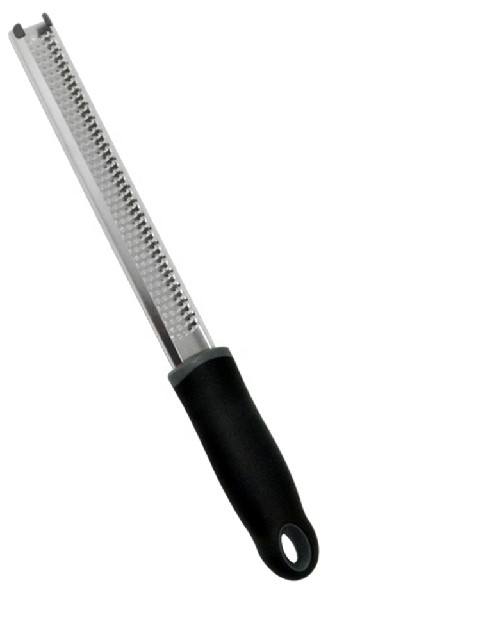
Stainless Steel Grater Factory: How B2B Buyers Can Source Quality Kitchen Tools
Finding a reliable stainless steel grater factory is not just about locating a low-cost kitchen tool. For wholesalers, importers, private-label brands and hospitality distributors, the goal is to source graters that are safe to use, comfortable in the hand, consistent in finish and suitable for the intended market. A grater may look simple, but its performance depends on sharp cutting surfaces, stable construction, handle design, rust resistance and packaging that protects the item through transport.
The original focus of this topic is clear: quality kitchen tools start with a capable manufacturer, and modern grater design has moved beyond basic metal sheets. Buyers should still treat every claim with care. Unless a supplier provides documentation, samples and agreed specifications, terms such as premium, professional or high quality are only starting points for discussion. This guide explains how to evaluate a stainless steel grater factory with practical sourcing questions rather than sales language.
Why Factory Selection Matters for Graters
A grater is used with pressure, repeated motion and direct contact with food. Poorly made products can bend, feel unstable, lose sharpness quickly or create a frustrating user experience. For retail buyers, that can lead to complaints and returns. For commercial kitchen channels, it can reduce trust in a broader kitchenware line.
A good factory relationship helps buyers control the details that affect repeat orders: surface finishing, cutting pattern consistency, handle attachment, packaging fit and inspection standards. Even when working through a kitchen gadgets supplier rather than directly with a manufacturer, the same questions apply. The supplier should be able to explain where the product is made, what options are available and how quality is checked before shipment.
Key Product Features to Review Before Ordering
Modern grater design often includes ergonomic handles, sharp grating surfaces and non-slip elements to improve comfort and safety. These features were mentioned in the original article and remain important, but buyers should verify exactly what is included in the product they intend to purchase.
- Grating surface: Check whether the tooth pattern suits the target use, such as cheese, citrus zest, vegetables or general kitchen preparation.
- Handle design: Ask whether the handle is sturdy, comfortable and securely attached under normal use.
- Stability: If a non-slip rubberized top or base is offered, confirm the material, fit and durability expectations.
- Rust resistance: Request details about the stainless steel material and any care instructions, rather than assuming all products perform the same.
- Finish quality: Review edges, burrs, welds, polish consistency and whether the product is safe to handle.
- Packaging: Confirm whether retail packaging, bulk packaging or private-label packaging is available.
Comparison Checklist for Supplier Evaluation
Before choosing a stainless steel grater factory or trading partner, compare suppliers using a written checklist. This reduces misunderstandings and makes sample reviews more objective.
| Evaluation Area | What to Check | Questions to Ask |
|---|---|---|
| Product construction | Blade rigidity, handle strength, edge finishing | Can you provide a sample from current production? |
| Material details | Stainless steel type, handle material, non-slip parts | What material specifications can be confirmed in writing? |
| Performance | Sharpness, grating consistency, comfort during use | How is performance checked before shipment? |
| Customization | Logo, packaging, color options, product size options | What OEM or private-label options are available? |
| Quality control | Incoming material checks, in-process checks, final inspection | What inspection standard will be used for my order? |
| Commercial terms | MOQ, lead time, payment terms, sample costs | What terms apply to this specific model and order quantity? |
OEM and Private-Label Sourcing Considerations
If the goal is to build a branded line of stainless steel kitchen tools, the conversation should go beyond the grater itself. OEM buyers should define whether they need a standard factory model with logo printing, a modified handle design, different packaging, or a fully customized product. Each option can affect development time, tooling needs, inspection requirements and cost.
Avoid assuming that every supplier can support the same level of customization. Ask for examples of available customization methods, but do not rely only on photos. Confirm artwork requirements, color tolerances, packaging structure, barcode placement and carton labeling. If your market requires specific documentation or compliance testing, ask whether the supplier can support the process and what third-party evidence is available. Do not treat verbal assurances as a substitute for documents.
Quality Control Questions Buyers Should Ask
A dependable kitchen gadgets supplier should welcome clear quality questions. The purpose is not to make the process complicated; it is to prevent avoidable disputes after production. A stainless steel grater has several practical inspection points that can be agreed before an order is placed.
- What are the confirmed product dimensions, weight and material descriptions for this model?
- What defects are considered critical, major or minor during inspection?
- How will sharp edges, burrs and handle attachment be checked?
- Will pre-production samples be approved before mass production?
- Can carton drop protection, packaging fit and labeling be reviewed before shipment?
- What happens if the delivered goods do not match the approved sample?
These questions help both sides define expectations. They also create a record that purchasing, quality and logistics teams can use when reviewing samples and production goods.
Balancing Cost, Durability and User Experience
Price matters in wholesale sourcing, but it should not be evaluated alone. A very low unit price may reflect thinner construction, weaker packaging, less consistent finishing or fewer inspection steps. Those choices may be acceptable for some channels, but they should be deliberate decisions rather than surprises.
For a retail-focused product, consider how the grater feels when a customer first picks it up. For a professional or hospitality channel, consider repeated use, ease of cleaning and comfortable handling. For promotional or entry-level channels, define the minimum acceptable standard clearly. A strong sourcing decision is not always the most expensive option; it is the option that fits the product promise, target buyer and risk tolerance.
Key Takeaways
- A stainless steel grater factory should be evaluated on construction, finishing, usability and quality control, not only price.
- Features such as ergonomic handles, sharp grating surfaces and non-slip parts should be verified on actual samples.
- OEM and private-label buyers should confirm customization scope, packaging details and inspection standards in writing.
- Material, rust resistance and compliance claims should be supported by supplier documentation where relevant.
- A structured comparison checklist helps buyers choose a kitchen gadgets supplier with fewer misunderstandings.
Practical FAQ
What should I ask a stainless steel grater factory before requesting a quote?
Ask for the product dimensions, material details, available handle options, packaging choices, MOQ, lead time, sample policy and quality inspection process. A quote is more useful when it is tied to a clear specification.
How can I judge grater quality from a sample?
Check sharpness, comfort, stability, edge finishing, handle strength and consistency of the grating surface. Also review whether the packaging protects the product and presents it appropriately for your sales channel.
Can a kitchen gadgets supplier support private-label orders?
Many suppliers may offer logo or packaging customization, but the exact options vary. Ask what can be customized, what files are required, whether there are extra costs and whether approval samples are provided before production.
Should I require third-party testing for stainless steel kitchen tools?
That depends on your market, sales channel and regulatory obligations. Buyers should ask suppliers what documentation is available and consult local compliance specialists when food-contact or labeling requirements apply.
Is the lowest-priced grater the best wholesale choice?
Not always. The best choice is the product that matches your quality target, customer expectations and margin plan. Compare price together with durability, finish, packaging, inspection terms and supplier communication.
