




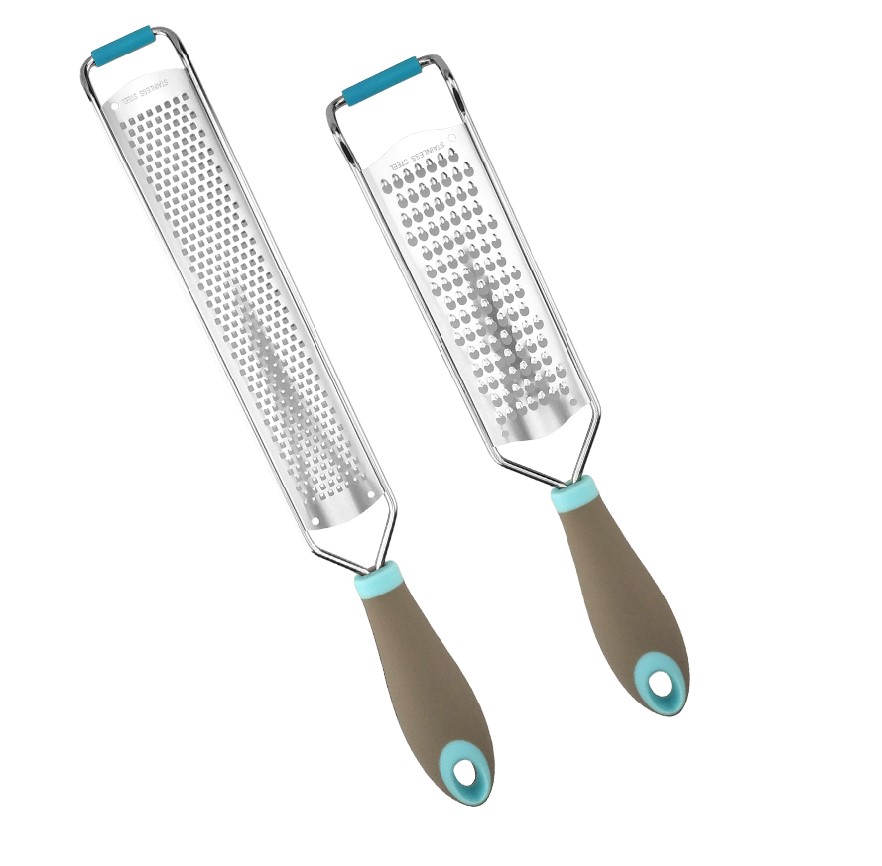
Stainless Steel Grater Factory: Practical Sourcing Guide for Kitchen Tools
Stainless steel graters are simple tools, but sourcing them well requires more than choosing a sharp-looking sample. Retailers, distributors, private-label brands, and kitchenware importers need to evaluate usability, durability, cleaning convenience, packaging, and supplier communication before placing an order. A dedicated stainless steel grater factory or kitchen gadgets supplier can be useful when the project needs consistent product development, repeatable quality, and practical knowledge of kitchen tool design.
The original product focus highlights stainless steel construction, grater design and development, ergonomic silicone grips, sharp blades, easy cleaning, compact storage, and everyday kitchen convenience. Those points are relevant, but buyers should still confirm the exact material, finish, grip design, blade pattern, packaging, and testing expectations for their own market. This guide explains how to assess a factory conversation in a structured way without relying on vague claims.
Key Takeaways
- Choose a stainless steel grater by use case first: zesting, cheese grating, vegetable shredding, or multi-purpose preparation.
- Ask suppliers to confirm the exact stainless steel grade, blade process, handle material, cleaning guidance, and packaging options.
- Evaluate comfort and control with real handling tests, especially if the design includes silicone grips or narrow handheld formats.
- Do not judge quality from appearance alone; request samples and define inspection criteria before bulk production.
- For OEM or wholesale programs, clarify branding, carton requirements, labeling, and compliance responsibilities early.
Why Stainless Steel Matters in Grater Design
Stainless steel is widely used for kitchen graters because it can provide a durable, non-porous surface that is easy to rinse after contact with cheese, citrus peel, vegetables, ginger, garlic, or chocolate. The original article notes resistance to rust and corrosion, which is one reason stainless steel is common in kitchen tools. However, buyers should not assume every product uses the same grade or surface treatment. Ask the factory to state the material specification in writing and explain whether the handle, frame, blade area, and any hanging loop use the same or different materials.
Blade sharpness is another major factor. A grater that works well should cut cleanly rather than crush food. For citrus zest, the blade must remove the outer peel without digging deeply into the bitter pith. For hard cheese, it should produce consistent shavings without requiring excessive pressure. For vegetables, the blade pattern should match the intended texture. A sample test with common foods is more useful than a general description such as “sharp” or “premium.”
Common Grater Types and Sourcing Considerations
Not every stainless steel grater fits the same retail program. A compact handheld grater may suit home cooks who want quick use and easy drawer storage. A wider flat grater may appeal to buyers looking for faster preparation. A box grater can offer several grating surfaces, but it also requires more storage space and more packaging volume. For B2B sourcing, the best choice depends on channel, target price point, kitchen habits, and after-sale expectations.
| Grater format | Best use cases | Buyer checks before ordering |
|---|---|---|
| Handheld fine grater | Citrus zest, hard cheese, ginger, garlic | Handle comfort, blade sharpness, protective cover, hanging hole |
| Flat or paddle grater | Cheese, vegetables, chocolate | Stability, grating area, food release, cleaning access |
| Box grater | Multiple textures in one tool | Panel strength, base stability, storage size, packaging weight |
| Grater with silicone grip | Controlled everyday prep | Grip material, bonding strength, slip resistance, color consistency |
How to Evaluate a Stainless Steel Grater Factory
A factory or specialized kitchen gadgets supplier should be able to discuss the product beyond catalog photos. Ask how the grater is designed for control, how blade consistency is checked, and what the supplier recommends for cleaning and storage. If the product includes silicone grips, request details about grip placement, texture, attachment method, and color options. If the grater is described as dishwasher safe, ask the supplier to confirm the basis for that statement and whether any packaging wording should be reviewed for the destination market.
For OEM and private-label projects, communication is part of quality. A good sourcing process includes clear drawings or specification sheets, confirmed sample approvals, written packaging requirements, and inspection standards. Buyers should also ask which parts of the product can be customized. For example, possible discussion points may include handle color, logo placement, sleeve or card packaging, barcode labels, instruction text, and master carton markings. Avoid assuming that all customization is available until the supplier confirms it.
Sample Testing Before Wholesale Orders
Samples should be tested in the way the final customer will use them. A buyer sourcing cheese graters for retail should test hard cheese, semi-hard cheese, and cleaning after use. A buyer focused on citrus tools should test lemons, limes, and oranges. If vegetable shredding is a selling point, test carrots, zucchini, potatoes, or other relevant foods. Note how much force is needed, whether the tool clogs, and whether the grip remains comfortable after repeated use.
- Check the product for sharp edges outside the grating surface.
- Test blade performance on foods named in the product description.
- Wash the sample repeatedly and inspect for discoloration, trapped residue, or loose parts.
- Review packaging for protection during shipping and clear consumer instructions.
- Compare the approved sample with later pre-production or production samples.
Packaging, Labeling, and Retail Readiness
Packaging is often treated as a late-stage detail, but it affects cost, shipping damage, shelf presentation, and customer satisfaction. A stainless steel grater may need a blade cover, protective sleeve, blister card, kraft box, color box, or hangable retail card depending on the sales channel. The right choice depends on whether the item is sold online, in supermarkets, through kitchenware stores, or as part of a promotional bundle.
Buyers should ask the supplier what packaging has been used for similar products, but final labeling should be reviewed according to the destination market. Confirm product name, material description, cleaning guidance, warning statements, country-of-origin labeling, barcode placement, carton marks, and any retailer-specific requirements. If a product description mentions dishwasher cleaning or special ergonomic features, make sure the final packaging language matches the approved specification.
Balancing Durability and Everyday Convenience
The original article correctly points to a useful balance: a grater should be durable enough for repeated use and convenient enough that customers reach for it regularly. Stainless steel surfaces can be easy to clean, and compact lightweight designs can store neatly in a drawer or utensil holder. For buyers, the question is how those benefits are delivered in the exact product being sourced.
Convenience details matter. Does the handle feel secure when wet? Is the grating surface long enough for efficient strokes? Does food collect cleanly or scatter across the board? Is the product comfortable for left- and right-handed users? Can the blade be covered in storage? These small points influence reviews, returns, and repeat orders. A practical grater does not need exaggerated marketing; it needs reliable performance in daily food preparation.
Questions to Ask a Kitchen Gadgets Supplier
- What stainless steel grade and thickness are used for the grating surface?
- How are blade sharpness and consistency checked during production?
- Are silicone grips available, and what material and color options can be confirmed?
- Can the supplier provide samples that match the intended packaging and branding?
- What inspection criteria should be agreed before mass production?
- Which cleaning instructions are suitable for the final product and market?
Practical FAQ
What should buyers confirm before ordering from a stainless steel grater factory?
Confirm the material specification, blade style, handle or grip material, sample approval process, packaging format, labeling needs, inspection criteria, and any customization limits.
Is a stainless steel grater always dishwasher safe?
Not necessarily. Stainless steel is generally easy to clean, and the original article mentions dishwasher cleaning, but buyers should ask the supplier to confirm the exact cleaning guidance for the selected product, including any handle or grip components.
Are silicone grips useful on graters?
They can improve comfort and control, especially during repeated food preparation. Buyers should test grip texture, attachment strength, and handling when wet before approving the design.
How can OEM buyers avoid quality surprises?
Use approved samples, written specifications, packaging proofs, and agreed inspection standards. Compare production units against the approved sample rather than relying only on catalog descriptions.
Which grater type is best for wholesale kitchenware programs?
It depends on the target customer. Fine handheld graters suit zesting and hard cheese, flat graters support general preparation, and box graters provide multiple textures but require more storage and shipping space.
