




Stainless Steel Grater Supplier: Find Quality Kitchen Tools
Choosing a stainless steel grater supplier is not only about finding a sharp kitchen tool. For retailers, distributors, hospitality buyers, and private-label brands, the right supplier should offer consistent product quality, clear communication, practical packaging options, and reliable order follow-up. A grater may look simple, but small differences in blade sharpness, handle grip, cover fit, and surface finishing can affect user safety, product reviews, and repeat purchasing.
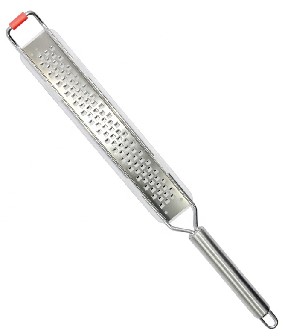
The original product focus is a multi-purpose handheld grater with a stainless steel blade, an elongated grating surface, an ergonomic non-slip handle, a protective cover, and a hanging hole for storage. It is intended for common kitchen tasks such as zesting citrus, grating hard cheeses, and shredding vegetables. This guide explains how to evaluate that type of product when sourcing from stainless steel grater manufacturers or wholesale kitchen tool suppliers.
Key Takeaways
- Confirm the grater's actual materials, finishing, and blade sharpness before placing a bulk order.
- Ask the supplier which features are standard and which require customization, including handle color, packaging, and branding.
- Review safety details such as the non-slip handle, protective cover fit, and edge finishing.
- Request samples and inspect them under normal kitchen-use conditions before approving production.
- A reliable supplier should answer practical questions about lead time, quality checks, packaging, and after-sales handling.
What Buyers Should Look For in a Stainless Steel Grater
A stainless steel kitchen grater should perform cleanly across everyday preparation tasks. For a handheld model, the elongated grating surface can help users work faster because more food contacts the blade area with each pass. This is useful for citrus zest, hard cheese, ginger, garlic, chocolate, and some vegetables, depending on the cut style of the grating surface.
However, buyers should avoid judging only by appearance. A shiny surface does not guarantee consistent cutting performance. When comparing samples, check whether the grater cuts cleanly or tears food, whether food sticks excessively to the back of the blade, and whether the handle remains stable when pressure is applied. If the product will be sold to households, cafes, restaurants, or promotional buyers, the user experience should be predictable from one unit to the next.
Supplier Evaluation Checklist
Before choosing a stainless steel grater supplier, create a checklist that covers product, commercial, and service details. The table below can help organize sample review and supplier comparison.
| Evaluation Area | What to Check | Questions to Ask the Supplier |
|---|---|---|
| Blade and grating surface | Sharpness, consistency, smooth edge finishing, food release | How is blade sharpness checked before shipment? |
| Handle design | Grip comfort, non-slip performance, balance during use | Is the ergonomic handle standard, and can color or branding be customized? |
| Protective cover | Fit, removal ease, protection during storage and transport | Is the cover included in the standard product package? |
| Storage feature | Hanging hole placement and durability | Has the hanging hole design changed across product versions? |
| Packaging | Retail presentation, barcode space, export carton strength | What packaging options are available for wholesale or OEM orders? |
| Order support | Sampling, production timing, inspection process, issue handling | What information is needed to quote bulk pricing and lead time? |
Product Features That Matter to End Users
For consumer-facing sales, practical details drive satisfaction. A stainless steel blade should feel sharp enough for fast work without requiring excessive force. The elongated grating surface is helpful when users need repeated strokes, such as grating cheese over pasta or zesting several lemons for baking. A non-slip handle is also important because wet hands, oily ingredients, or fast prep work can make kitchen tools harder to control.
The protective cover has two roles. It helps protect the blade during storage, and it reduces accidental contact when the tool is kept in a drawer. Buyers should check that the cover fits securely but is not frustrating to remove. The hanging hole is a small detail, but it supports simple storage for kitchens that use rails or hooks. These features are worth listing clearly in product pages, catalogs, and sales sheets because they answer practical user questions.
Questions for Stainless Steel Grater Manufacturers
When the purchase is for wholesale, OEM, or private label, ask direct questions instead of assuming specifications. Do not rely only on product photos. A responsible supplier should be able to explain what is included, what can be customized, and what requires additional confirmation.
- What exact materials are used for the blade, handle, cover, and any connecting parts?
- Is the stainless steel blade suitable for the intended food-contact market, and what documentation can be provided if required?
- What sample options are available before a bulk order?
- Can the handle color, logo, hang tag, retail box, or carton marks be customized?
- What is the usual inspection process for blade sharpness, handle attachment, cover fit, and packaging?
- How are defective goods, shortages, or transport damage handled after delivery?
These questions do not replace your own compliance review. Different markets may have different requirements for food-contact products, labeling, packaging, and import documents. Buyers should confirm applicable regulations with qualified local advisers or testing partners before final approval.
How to Inspect Samples Before Bulk Ordering
Sample inspection should copy real use. Test citrus zesting to see whether the grater removes the colored outer peel without taking too much bitter pith. Try hard cheese to evaluate cutting efficiency and clogging. Use a firm vegetable to understand whether the tool remains stable under pressure. Wash and dry the sample several times, then check whether the handle, cover, and grating surface still feel secure.
Also examine the product as a shopper would. Are there sharp unintended edges outside the grating area? Does the cover slide on properly? Is the hanging hole cleanly finished? Does the handle feel comfortable for both small and large hands? If the product will be displayed in retail packaging, check whether the grating surface is protected well enough during shipping and shelf handling.
Wholesale and OEM Sourcing Guidance
For wholesale kitchen tools, consistency matters more than a single attractive sample. Ask how the supplier controls production batches and whether pre-shipment inspection is supported. If you need OEM branding, provide artwork, packaging instructions, barcode requirements, and destination-market labeling needs early in the discussion. Clear specifications reduce delays and prevent misunderstandings.
Commercial details such as minimum order quantity, pricing tiers, lead time, payment terms, and carton dimensions should be requested directly from the supplier. They should not be guessed from a general product description. If you are comparing several stainless steel kitchen graters for sale, use the same checklist for each supplier so the comparison is fair.
Practical FAQ
What tasks is a handheld stainless steel grater suitable for?
The described handheld grater is suitable for everyday jobs such as zesting citrus, grating hard cheeses, and shredding vegetables. Buyers should test samples with their target use cases before ordering.
Is a protective cover important?
Yes. A protective cover helps guard the blade during storage and transport, and it can reduce accidental contact when the tool is kept in a drawer or packed for retail sale.
Can a stainless steel grater be customized for private label orders?
Customization may be possible, but it depends on the supplier. Ask about logo placement, handle color, packaging, carton marks, sample approval, and any extra cost or lead time.
How should buyers compare stainless steel grater suppliers?
Compare sample quality, communication speed, packaging support, inspection process, commercial terms, and the supplier's willingness to answer detailed product questions.
What information should be confirmed before placing a wholesale order?
Confirm materials, included accessories, packaging, order quantity, lead time, inspection terms, shipping details, and after-sales procedures. Keep these details in writing before production begins.
