




Stainless Steel Grater Supplier: How to Source Versatile Kitchen Graters with Confidence
Choosing a stainless steel grater supplier is not only about finding a low unit price. For retailers, distributors, hospitality buyers, and private-label kitchenware brands, the better question is whether a supplier can provide consistent grating performance, safe handling, clear packaging options, and reliable communication before and after an order. A grater looks simple, but small differences in blade sharpness, handle comfort, frame rigidity, and packing quality can strongly affect customer satisfaction.
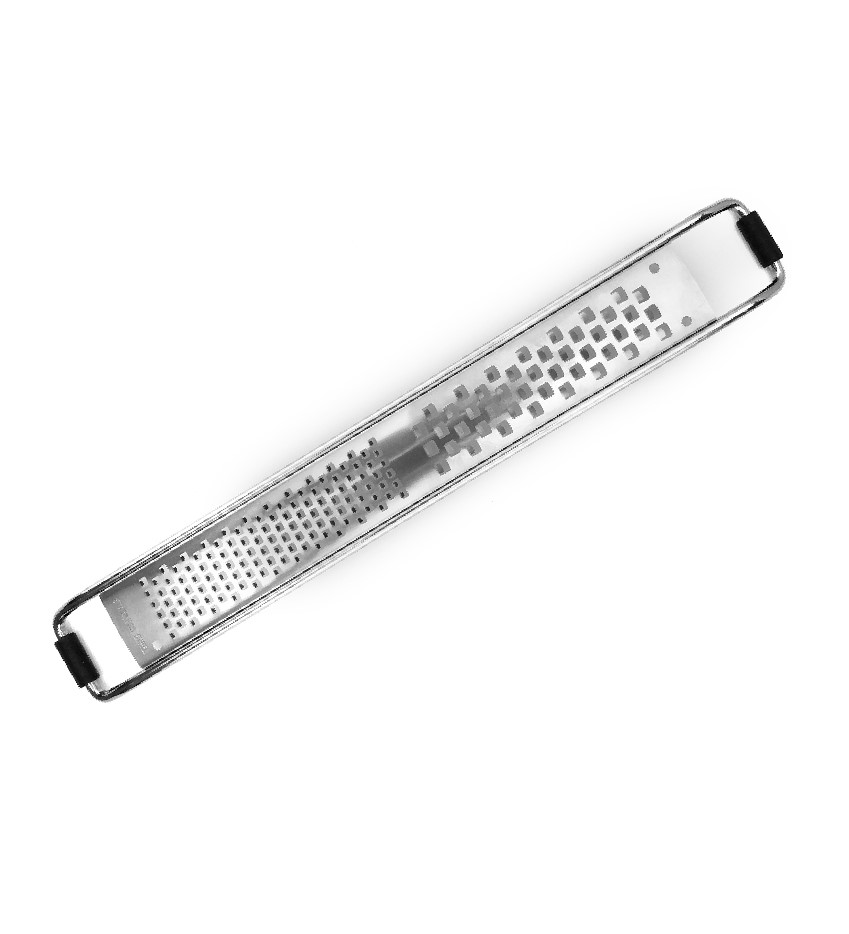
The original product focus is a multi-blade stainless steel kitchen grater designed for varied prep tasks, including fine zesting, coarse shredding, slicing, cheese toppings, carrot shredding, chocolate shavings, potato shreds, and vegetable cuts. This guide explains how to evaluate those features from a B2B sourcing perspective without relying on unsupported claims. Use it as a checklist when comparing stainless steel kitchen graters for sale or shortlisting stainless steel grater manufacturers.
Key Takeaways
- A good stainless steel grater supplier should help buyers verify blade options, construction, handle comfort, packaging, and order requirements before purchase.
- Multi-blade graters are useful because different surfaces can support zesting, shredding, slicing, and garnish preparation.
- Buyers should request samples and ask direct questions about material details, edge consistency, packaging durability, and replacement procedures.
- Do not assume commercial details such as MOQ, lead time, certifications, or test results unless the supplier confirms them in writing.
What Buyers Should Expect from a Stainless Steel Grater Supplier
A capable supplier should make product comparison easier. Instead of giving only broad claims about quality, they should be able to explain the available grater styles, blade functions, handle design, carton packing, customization options, and inspection process. For wholesale purchasing, responsiveness is part of product quality: unclear answers before the order can become expensive problems after shipment.
When sourcing graters, ask whether the supplier offers a sample for evaluation. A physical sample lets your team test how the blades perform with common foods such as citrus, hard cheese, carrots, potatoes, chocolate, and vegetables. It also helps you judge whether the handle feels stable and whether the grater sits securely during use. If the grater has multiple blade sections, confirm what each section is intended to do and whether the product label or instruction sheet explains safe use.
Blade Versatility: Matching Grater Functions to Customer Needs
The original article describes a multi-blade grater with six blade functions, ranging from ultra-fine zesting to coarse shredding and slicing. That variety can be useful for buyers serving different channels. A homeware retailer may want a compact all-purpose tool for everyday cooking, while a foodservice buyer may care more about durability and repeatable prep results.
Before placing a wholesale order, define the most important customer use cases. If your market values baking and dessert preparation, fine zesting and chocolate shaving surfaces may be important. If your customers cook vegetables frequently, slicing and potato shredding may matter more. If the product will be sold as a general kitchen grater, the packaging should communicate the blade functions clearly and simply.
Comparison Checklist for Wholesale Grater Selection
| Selection Area | What to Check | Questions to Ask the Supplier |
|---|---|---|
| Blade functions | Fine, coarse, slicer, and other surfaces match the intended use | Can you provide a clear list of each blade function and sample photos? |
| Material details | Stainless steel is stated, but grade should be verified | What stainless steel grade is used, and can it be documented? |
| Handle design | Grip comfort, stability, and safe distance from cutting edges | Are there different handle materials, colors, or shapes available? |
| Edge consistency | Blades cut cleanly without excessive pressure | How is blade sharpness or cutting consistency checked before packing? |
| Packaging | Retail box, hanging card, sleeve, or bulk packing suits your channel | Can packaging be customized, and what files are required? |
| Commercial terms | MOQ, lead time, payment, and reorder process are confirmed | What are the current MOQ, production lead time, and sample terms? |
Quality Checks Before You Commit to a Bulk Order
For a stainless steel kitchen grater, quality is best judged through practical handling and repeated use. During sample review, inspect whether the grater frame flexes under pressure, whether the edges feel rough, and whether the handle is firmly attached. Test the grater on several foods rather than only one. A surface that works well for cheese may not perform the same way for citrus peel or raw vegetables.
Buyers should also ask how the supplier controls consistency between samples and mass production. A good sample is useful, but the shipment must match it. Ask whether pre-shipment inspection is available, what visual defects are rejected, how cartons are marked, and how the supplier handles damaged or incorrect goods. If your market requires specific compliance documents, request them early and verify exactly what they cover.
Packaging, Branding, and Retail Presentation
Packaging affects both product protection and selling performance. A sharp kitchen grater should be packed so that blade surfaces are protected during shipping and safe for store handling. For e-commerce, inner protection and carton strength are especially important because individual units may pass through more handling points than traditional wholesale shipments.
If you plan to sell under your own brand, ask whether the supplier can support logo placement, barcode requirements, instruction inserts, or retail-ready packaging. Avoid assuming that private-label service is included. Confirm artwork requirements, color limitations, approval steps, sample costs, and whether packaging changes affect MOQ or lead time. Clear packaging communication reduces the risk of delays and rework.
How to Compare Stainless Steel Grater Manufacturers
When evaluating stainless steel grater manufacturers, compare more than product photos. Request product dimensions, material information, blade descriptions, packing details, sample terms, and realistic production timelines. If a supplier mentions ergonomic handles, durable construction, or precision blades, ask how those points are verified. Strong suppliers should welcome specific questions because they understand that wholesale buyers need repeatable standards.
- Shortlist suppliers with clear product information and relevant grater options.
- Request samples and test the same foods across all candidates.
- Confirm material, packaging, MOQ, lead time, and inspection details in writing.
- Review communication speed and answer quality before placing a bulk order.
- Keep an approved sample for comparison when checking production goods.
Practical FAQ for Stainless Steel Kitchen Grater Sourcing
What makes a multi-blade grater useful for retailers?
A multi-blade grater can cover several kitchen tasks in one product, such as zesting, shredding, slicing, and garnish preparation. This can make the item easier to position as an everyday kitchen tool, provided the blade functions are clearly explained.
Should I ask for the stainless steel grade?
Yes. The source article states that the product is made from stainless steel, but it does not specify a grade. Buyers should ask the supplier to confirm the grade and provide supporting documentation if required for their market.
How can I judge blade quality from a sample?
Test the sample with citrus peel, carrots, cheese, chocolate, potatoes, and vegetables. Look for clean cutting, controlled pressure, stable handling, and easy food release. Also check whether the blade surfaces feel consistent and securely formed.
What commercial details should I confirm before ordering?
Ask about MOQ, sample cost, lead time, payment terms, packaging options, carton details, inspection process, and after-sales handling. These details should be confirmed in writing because they can vary by product, season, and order quantity.
Is the lowest-priced grater supplier the best option?
Not always. A lower price may be attractive, but buyers should consider sample performance, packaging protection, communication quality, shipment consistency, and the cost of returns or complaints. Total sourcing value matters more than unit price alone.
Final Sourcing Advice
A stainless steel grater is a common kitchen tool, but sourcing it well requires careful comparison. Focus on the blade functions your customers will actually use, verify product details with samples, and ask suppliers direct questions about materials, packing, and commercial terms. For wholesale buyers, the right stainless steel grater supplier is the one that provides clear information, consistent samples, and a practical path from evaluation to repeat orders.
