




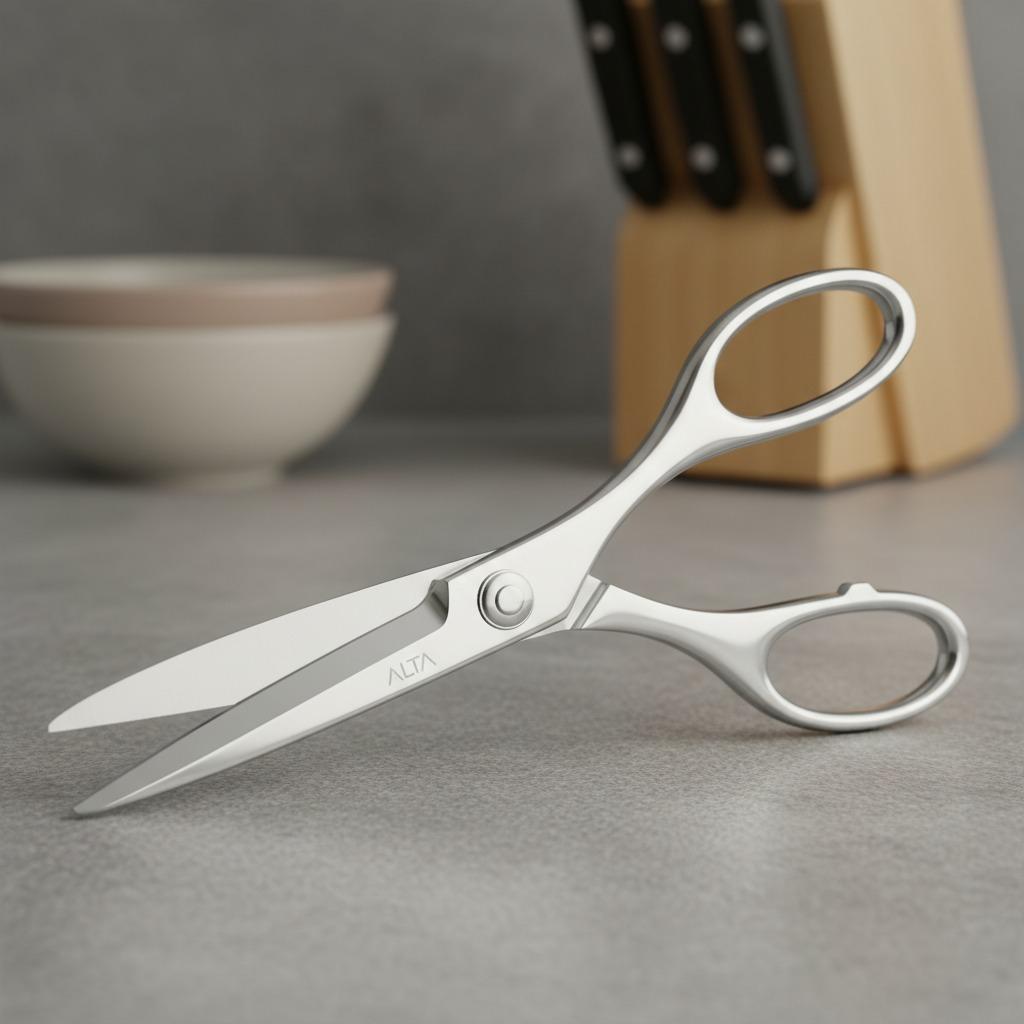
Stainless Steel vs. High-Carbon: Material Science in Domestic Tools
When choosing domestic tools, material matters more than many buyers realize. The difference between a pair of household scissors that cuts cleanly for years and one that feels dull, stained or difficult to maintain often starts with the steel. Two common options are stainless steel and high-carbon steel. Both are iron-based alloys, but they behave differently in real kitchens, laundry rooms, offices and utility drawers.
This guide explains the practical science behind stainless steel and high-carbon steel, with a focus on household scissors and kitchen shears. Instead of treating one material as universally better, it shows where each performs well, what care it needs and what questions to ask before buying.

Key Takeaways
- Stainless steel is usually the easier choice for wet, humid or food-prep environments because it resists rust better.
- High-carbon steel can take and hold a very sharp edge, but it needs more careful cleaning and drying.
- For everyday household scissors, comfort, blade alignment and ease of cleaning are as important as the steel type.
- No material is maintenance-free: even stainless tools should be washed, dried and stored properly.
What Stainless Steel Means in Household Tools
Stainless steel is an iron-based alloy that contains at least 10.5% chromium. Chromium helps form a thin protective oxide layer on the surface, which is why stainless steel is known for corrosion resistance. In domestic tools, this is useful because scissors, peelers, can openers and kitchen shears often come into contact with water, food acids, steam and detergent.
For household scissors, stainless steel is popular because it is forgiving. If the blades are wiped down after use and stored in a dry drawer, they are less likely to develop rust than plain carbon steel. This makes stainless steel suitable for cutting food packaging, herbs, paper, string, tape and light kitchen tasks. However, stainless steel can vary widely in quality and heat treatment, so the label alone does not guarantee sharpness or durability.
What High-Carbon Steel Means in Household Tools
High-carbon steel contains a higher proportion of carbon than many ordinary steels. The original article notes a typical range of 0.6% to 1.5% carbon. This allows the steel to be heat-treated into a harder structure, which can support a fine cutting edge. That is why high-carbon steel is often associated with very sharp knives and specialized cutting tools.
The trade-off is corrosion resistance. High-carbon steel usually has little chromium compared with stainless steel, so it can rust if left wet or exposed to acidic foods. It may also develop a patina over time. A patina is not always a problem, but active rust is. If you choose high-carbon scissors or shears, expect to hand-wash them, dry them immediately and occasionally apply a food-safe protective oil when appropriate for the tool and use case.
Stainless Steel vs. High-Carbon Steel: Quick Comparison
| Selection factor | Stainless steel | High-carbon steel |
|---|---|---|
| Rust resistance | Generally strong because of chromium content | Lower; needs careful drying and storage |
| Sharpness potential | Good for general household cutting | Often excellent when properly heat-treated |
| Edge retention | Depends on grade, hardness and use | Can be very good, especially in cutting-focused tools |
| Maintenance | Low to moderate; still benefits from drying | Higher; hand-washing and prompt drying are important |
| Best everyday fit | Kitchen shears, household scissors, peelers, can openers | Specialized scissors, chef knives, precision cutting tools |
| Main question to ask | Is the blade well finished, aligned and easy to clean? | Am I willing to maintain it after each use? |
How the Materials Affect Household Scissors
Scissors are different from knives because two blades must work together. A sharp edge helps, but cutting performance also depends on pivot tension, blade alignment, handle comfort and how the blades meet along the cutting line. A high-carbon blade with poor alignment may perform worse than a well-made stainless steel scissor.
For most homes, stainless steel household scissors are the practical choice. They handle mixed tasks and tolerate occasional moisture better. They are especially useful where scissors may be used by several people and not always cleaned immediately. For kitchen shears that may touch herbs, food packaging or poultry packaging, corrosion resistance is a significant advantage.
High-carbon scissors make more sense when clean cutting is the priority and the user is disciplined about care. They can be satisfying for craft work, fabric trimming or certain food-prep tasks, but they should not be left damp in a sink or dishwasher. If you want the benefits of high-carbon steel, confirm the maker's recommended cleaning method before use.
How to Choose the Right Material for Your Use
Before buying scissors, shears or another domestic cutting tool, match the steel to your actual habits rather than to a marketing label. Use this simple checklist:
- List the main tasks. Paper, packaging, herbs, fabric and poultry all place different demands on blades.
- Consider water exposure. If the tool will often be used near the sink, stainless steel is usually safer.
- Check cleaning instructions. Do not assume dishwasher safety unless the supplier states it for that product.
- Inspect the pivot. A smooth, stable pivot helps scissors cut cleanly and reduces hand strain.
- Look at handles. Comfort matters if the tool will be used for repetitive cutting.
- Ask about blade serviceability. Some scissors can be sharpened or adjusted more easily than others.
Use and Care Tips for Longer Tool Life
Good care extends the life of both materials. After cutting wet foods, sticky tape or acidic packaging, wipe the blades clean. Dry the pivot area because moisture can hide where the blades overlap. Avoid twisting scissors through hard materials unless they are designed for that job; twisting can damage edges or loosen alignment.
For stainless steel tools, occasional hand-washing and drying is usually enough for daily use. If stains appear, clean them early with a non-abrasive method recommended by the tool supplier. For high-carbon steel tools, avoid soaking. Wash by hand, dry immediately and store away from moisture. If the product instructions allow, a thin protective layer of suitable oil can help reduce rust risk during storage.
Buyer Questions for Retailers and Product Teams
If you are comparing household scissors for retail, hospitality, gifting or private-label sourcing, avoid relying only on broad terms such as stainless or carbon steel. Ask specific product questions instead:
- What steel type is used for the blades, and what maintenance does the supplier recommend?
- Are the scissors intended for food contact, office use, craft use or general household use?
- Can the supplier provide cleaning instructions for end users?
- How is blade alignment checked during production?
- Is the pivot adjustable, detachable or fixed?
- What packaging information explains safe use and care without making unsupported claims?
These questions help prevent mismatch between the product and the customer. A low-maintenance family kitchen may prefer stainless steel, while an enthusiast user may accept high-carbon care requirements in exchange for sharper cutting performance.
FAQ
Are stainless steel scissors always dishwasher-safe?
No. Stainless steel resists corrosion, but dishwasher safety depends on the complete product, including handles, pivot construction and finish. Follow the supplier's care instructions.
Does high-carbon steel always cut better?
Not always. High-carbon steel can support a sharp edge, but heat treatment, blade geometry, alignment and sharpening quality also affect cutting performance.
Why do high-carbon blades darken over time?
They can develop a patina from exposure to moisture, air and food acids. A stable patina is different from red rust, which should be removed and prevented.
Which material is better for everyday household scissors?
For most households, stainless steel is the more practical option because it needs less maintenance and resists rust better. High-carbon steel is best for users who prioritize edge performance and will care for the tool properly.
Can dull scissors be sharpened?
Many scissors can be sharpened, but the result depends on the blade design and pivot condition. If the blades are bent or misaligned, sharpening alone may not solve the problem.
Final Recommendation
Choose stainless steel when you want dependable household scissors that tolerate daily kitchen and utility use with minimal care. Choose high-carbon steel when sharpness and edge retention matter most and you are willing to wash, dry and store the tool carefully. The best domestic tool is not defined by one alloy name; it is the one whose material, design and maintenance needs fit the way you actually use it.
