




Stationery and Office Scissors: Style and Precision
Stationery and office scissors are small tools, but they affect everyday workflow more than many buyers expect. In offices, schools, studios, mailrooms and home workspaces, scissors are used for trimming documents, opening packaging, cutting labels, preparing craft materials and handling light cardboard. A good pair should cut cleanly, feel comfortable in the hand and be easy to find when work gets busy.
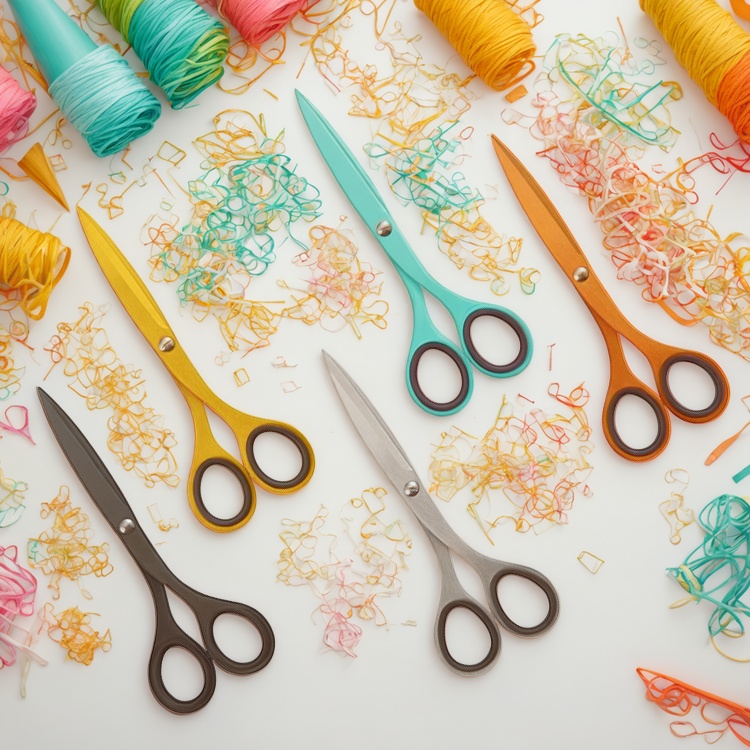
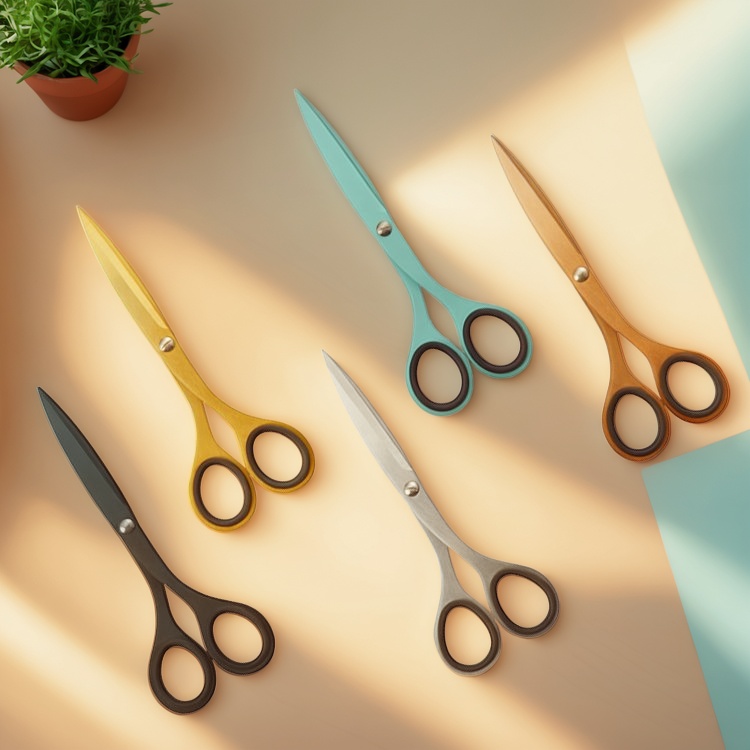
The original product information highlights a line of Precision Craft Scissors available in five colors: gold, black, mint, silver and bronze. It also states that the scissors are made from stainless steel and use ergonomically designed soft-grip handles. Those details are useful starting points, but choosing the right office scissors also depends on who will use them, what materials they will cut and how often they will be used.
Key Takeaways
- Choose stationery and office scissors based on the main cutting task, not appearance alone.
- Stainless steel blades are a practical feature for general office cutting when properly cleaned and stored.
- Soft-grip handles can improve comfort during repeated paper, craft or packaging tasks.
- Color options such as gold, black, mint, silver and bronze can support desk organization and team use.
- For wholesale or office supply purchasing, ask suppliers about materials, packaging, sample availability and quality checks before ordering.
What Makes Good Office Scissors?
Good office scissors should provide a clean cut without tearing paper or forcing the user to squeeze too hard. For basic desk use, the most important qualities are blade alignment, handle comfort and predictable movement. If the blades feel loose, sticky or uneven, simple tasks like trimming a printed page can become frustrating.
Stainless steel, as stated in the source material, is commonly used for scissor blades because it supports sharp edges and is suitable for regular indoor office use. However, buyers should not rely on the material name alone. The real performance depends on blade thickness, edge finishing, pivot construction and quality control. If sourcing for a workplace or resale channel, request samples and test them on the actual materials your users handle most often.
Matching Scissors to Everyday Office Tasks
Not every pair of scissors needs to do everything. A reception desk may need scissors mainly for envelopes, labels and printed forms. A design team may cut paper mockups, thin card and craft pieces. A warehouse office may use scissors for packing slips, tape ends and light cardboard. Matching the tool to the task helps avoid premature wear and poor cutting results.
| Use Case | What to Check | Why It Matters |
|---|---|---|
| Daily paperwork | Smooth blade action and clean paper cuts | Reduces tearing and repeated trimming |
| Craft or presentation work | Precision tips and steady control | Helps with corners, shapes and detailed cuts |
| Shared office desks | Comfortable handles and visible colors | Makes tools easier to use and return |
| Mailroom or packing area | Durable construction and easy cleaning | Handles frequent contact with tape and packaging |
| Wholesale sourcing | Samples, packaging details and supplier answers | Confirms suitability before larger orders |
Comfort, Grip and Cutting Control
Handle design matters because scissors are operated by repeated hand pressure. The original description mentions ergonomically designed soft-grip handles, which can be helpful for users who cut for longer sessions. A softer grip may reduce pressure points compared with hard handles, especially during craft preparation or document assembly.
Still, comfort is personal. A handle that feels right for one user may be too narrow, too wide or too heavy for another. If purchasing for a team, consider testing samples with several users. Ask them whether the scissors feel stable, whether fingers have enough space and whether the pivot action feels too tight or too loose. These practical checks are often more useful than relying only on product photos.
Color and Workspace Organization
The available colors named in the source are gold, black, mint, silver and bronze. Color is not only decorative. In shared environments, color can help assign scissors by department, workstation or use case. For example, one color can be reserved for paper-only tasks, while another can be used near packaging materials. This simple system can reduce confusion and help prevent adhesive residue or cardboard dust from affecting scissors used for cleaner paperwork.
Trendy office scissors can also make a desk look more coordinated, but appearance should come after usability. A well-designed pair should look appropriate in the workspace while still cutting smoothly and safely. Buyers should examine the finish for consistency, check whether the handles feel secure and confirm that the colors match the intended office or retail display needs.
How to Evaluate Premium Office Scissors Before Buying
The phrase premium office scissors should be supported by practical evidence. For a consumer, that means the scissors feel comfortable, cut accurately and last through normal use. For a business buyer, it means the supplier can answer detailed questions and provide consistent goods across orders.
- Cut standard printer paper in straight lines and curves to check smoothness.
- Try light cardboard only if that use is expected, and avoid forcing the blades.
- Open and close the scissors several times to feel the pivot movement.
- Check whether the handles remain comfortable after repeated cuts.
- Inspect the blade edges, tips and handle finish for visible defects.
- Ask how the scissors are packaged for retail, office supply or bulk distribution.
If sourcing for wholesale, OEM or office supply distribution, ask the supplier what blade material is used, what handle material is used, whether custom colors or packaging are available, how samples are handled, what inspection process is used and what information can be provided for your market requirements. Do not assume certifications, test results, minimum order quantities or lead times unless the supplier provides them directly.
Use and Care Tips for Longer Service
Even well-made stationery and office scissors need basic care. Use them for suitable materials and avoid cutting wire, thick plastic or heavy board unless the product is specifically intended for that purpose. Wipe the blades after cutting tape, adhesive labels or coated materials, because residue can make the scissors drag and collect dust.
Store scissors in a drawer, desk organizer or tool cup where the blades are protected and the tips are not bent. If scissors are shared by a team, create a simple return location so they do not disappear into personal drawers. For safety, keep sharp scissors away from young children and choose age-appropriate alternatives for classroom or child craft use.
Practical FAQ
Are stationery and office scissors suitable for fabric?
The original description mentions use on paper, fabric and light cardboard. If fabric cutting is important, test a sample on the fabric type you expect to use. For frequent textile work, dedicated fabric scissors may be more appropriate.
What does stainless steel mean for office scissors?
The source states that the scissors are made from stainless steel. In practical terms, buyers should still check sharpness, blade alignment and cutting performance, because material alone does not guarantee quality.
Do soft-grip handles make a difference?
Soft-grip handles can improve comfort during repeated cutting, especially compared with very hard or narrow handles. The best way to confirm comfort is to test the scissors with the users who will handle them regularly.
How should businesses compare suppliers?
Ask each supplier the same questions about materials, sample availability, packaging, color options, quality checks and commercial terms. Compare answers with sample performance instead of relying only on catalog descriptions.
Can color options be useful in an office?
Yes. The listed colors, including gold, black, mint, silver and bronze, can help separate scissors by department, desk area or cutting purpose while also supporting a more organized workspace.
Final Buying Advice
Stationery and office scissors should be selected with the same care as other daily office tools. Look for clean cutting, comfortable handling, appropriate materials and a design that fits the way people actually work. The color choices and soft-grip handles described in the original product information can be useful advantages, but the best purchase decision comes from testing real samples and asking clear supplier questions.
For individual users, focus on comfort and the materials you cut most often. For business buyers, build a simple checklist, compare samples and confirm all commercial details directly with the supplier. That approach keeps the decision practical, reduces sourcing risk and helps ensure the scissors perform well after they arrive on the desk.
