




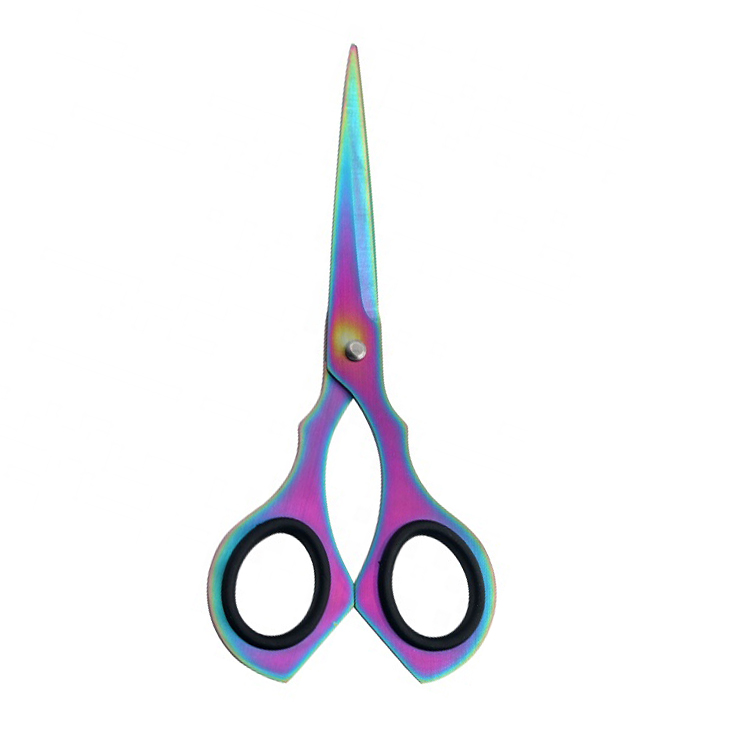
Stationery Cutting Scissors: Elegance and Precision
Stationery cutting scissors are everyday tools, but the right pair can make a noticeable difference in office work, classroom preparation, packaging, and craft projects. The original product description highlights a sleek matte brown finish, elongated sharply tapered blades, and handles wrapped in contrasting black material. Those details point to a pair designed for controlled cutting as well as a tidy desk appearance.
For buyers, the goal is not only to find scissors that look refined. It is to confirm whether the design, comfort, cutting performance, and supplier support match the intended use. A school may need safe, durable tools for repeated paper cutting. A studio may want precision for patterns and light fabric. A distributor may be comparing bulk purchasing options from a scissors wholesale supplier. This guide explains what to evaluate before placing an order.
Key Takeaways
- Elongated, sharply tapered blades are useful when the task requires controlled cutting lines and detailed work.
- A matte brown finish and black wrapped handles can support a more professional desk or craft-room presentation.
- Wholesale buyers should ask suppliers clear questions about materials, packaging, quality control, lead time, and sample availability.
- Scissors used for paper, fabric, and other materials should be separated by task to preserve cutting performance.
- Comfort matters: handle shape, grip material, and balance should be checked with real users before bulk purchase.
What Makes Stationery Cutting Scissors Different?
Stationery scissors are generally chosen for daily cutting rather than heavy-duty industrial work. They may be used to trim documents, open light packaging, cut labels, prepare classroom displays, or support craft assembly. In this category, a good pair should feel predictable in the hand and produce clean cuts without requiring excessive pressure.
The elongated blade shape described in the source article is important because longer blades can help users make smoother straight cuts. The sharply tapered blade profile can also help with starting cuts accurately or reaching into tighter corners. These features are useful for paper crafting, office preparation, and detail work where a jagged edge looks unprofessional.
However, buyers should avoid assuming performance from appearance alone. Ask the supplier what materials are used for the blades and handles, whether the scissors are intended for paper only or also light fabric, and whether samples can be tested before a wholesale order.
Design Features to Evaluate Before Buying
The original description notes three visible design elements: a matte brown finish, elongated tapered blades, and black-wrapped handles. Each can matter in a different way.
The matte brown finish gives the scissors a quieter, more refined look than bright novelty tools. For office desks, retail displays, or gift-oriented stationery sets, appearance can influence perceived value. The elongated blades support longer cutting strokes, while a tapered point can improve visibility and control during detailed work.
Handles deserve equal attention. The source mentions an ergonomic design and contrasting black material around the handles. Before ordering in quantity, test whether the handle openings suit different hand sizes, whether the grip feels secure, and whether prolonged use causes pressure points. If the scissors will be used in classrooms, shared offices, or workshops, comfort and ease of control can be more important than decorative styling.
Comparison Checklist for Buyers
Use the checklist below when comparing stationery cutting scissors from different suppliers or when reviewing a sample before a bulk order.
| Evaluation Area | What to Check | Questions to Ask a Supplier |
|---|---|---|
| Blade design | Length, taper, smoothness of cut, tip control | What materials are used for the blades, and what cutting tasks are they intended for? |
| Handle comfort | Grip feel, opening size, balance, fatigue during repeated use | Can you provide samples for user testing before wholesale purchase? |
| Finish and appearance | Consistency of matte brown finish and black handle wrapping | How is visual consistency checked across batches? |
| Packaging | Retail pack, bulk pack, labeling, barcode needs | What packaging options are available, and can they be customized? |
| Quality control | Cutting smoothness, alignment, loose joints, surface defects | What inspection steps are used before shipment? |
| Commercial terms | MOQ, lead time, payment terms, sample cost | What are the current order terms for wholesale or OEM inquiries? |
Best Use Cases: Office, Craft, Classroom, and Retail
Stationery cutting scissors fit several practical settings. In offices, they are useful for trimming documents, cutting tape, opening mailers, and preparing presentation materials. A refined finish can help them look appropriate on a shared desk or reception counter.
For crafters, the tapered blades may help with controlled lines, template work, and small paper shapes. The source also mentions cutting fabric and other materials. If users plan to cut fabric, it is wise to keep a dedicated pair for that purpose. Paper can dull scissor edges more quickly, and switching between materials may reduce cutting quality.
In classrooms, durability and safe handling become priorities. Buyers should check whether the blade tip and overall size are suitable for the age group. For retail stationery assortments, packaging, display appearance, and consistency across units matter because customers often compare tools visually before purchase.
Wholesale and Supplier Sourcing Guidance
If the purchase is for resale, office distribution, school procurement, or branded stationery sets, treat scissors as a sourced product rather than a simple commodity. Small differences in blade alignment, handle molding, and packaging can affect returns and customer satisfaction.
Before choosing a scissors wholesale supplier, request a current product specification sheet instead of relying only on photos. If commercial details are not listed, ask directly about minimum order quantity, production lead time, sample policy, available packaging formats, and whether private label or OEM service is available. Do not assume certifications, testing results, or compliance status; request documents relevant to your market and intended use.
For quality checks, ask how the supplier verifies cutting performance. A useful inspection may include opening and closing smoothness, blade alignment, surface finish, handle attachment, and sample cuts on common materials. If the scissors will be sold under your brand, clarify defect handling, spare packaging, carton markings, and after-sales communication before confirming the order.
Care Tips for Longer Service Life
Even well-made stationery scissors need basic care. Keep them dry after use, especially if they contact adhesive, damp paper, or fabric with residue. Wipe the blades with a soft cloth and avoid storing them loose in a drawer where the tips can be damaged.
- Use separate scissors for paper, fabric, and adhesive materials when possible.
- Do not force the blades through thick cardboard or wire unless the supplier confirms that use.
- Clean sticky residue promptly to keep the blades moving smoothly.
- Store scissors closed and away from heavy tools that may bend the tips.
- Check the pivot area periodically if the cut begins to feel rough or uneven.
Practical FAQ
Are these scissors suitable for both paper and fabric?
The original description mentions paper, fabric, and other materials. For best results, ask the supplier to confirm the intended cutting range and test a sample on your actual materials. If fabric cutting is important, keep one pair dedicated to fabric only.
What should wholesale buyers ask before ordering?
Ask about blade and handle materials, sample availability, MOQ, lead time, packaging options, inspection process, and whether OEM or private label support is available. Request documentation rather than assuming specifications.
Does the matte brown finish affect performance?
The finish is mainly a design and appearance feature. Cutting performance depends more on blade material, edge quality, alignment, pivot smoothness, and handle comfort.
How can I compare samples from different suppliers?
Use the same paper, fabric, or packaging material for each test. Compare cutting smoothness, handle comfort, blade alignment, finish consistency, and how the scissors feel after repeated cuts.
Are tapered blades better for detailed work?
Tapered blades can improve visibility and control near the cutting point, which helps with corners, templates, and detailed stationery tasks. The best choice still depends on the user and material.
Final Selection Advice
Stationery cutting scissors with a matte brown finish, elongated tapered blades, and black wrapped handles can be a practical choice for offices, craft users, classrooms, and retail stationery assortments. The most important step is to match the product to the actual cutting task and verify details with the supplier. For wholesale purchasing, a sample test and clear written specifications are more valuable than a polished product photo. When comfort, cutting control, packaging, and supplier communication all align, buyers are more likely to receive scissors that perform consistently in everyday use.
