





Stationery Scissors Factory: Precision and Style
Choosing a stationery scissors factory is not only about finding a low unit price. For wholesalers, office-supply distributors, school procurement teams, and private-label brands, the better question is whether a supplier can deliver scissors that cut cleanly, feel comfortable in daily use, and match the positioning of the intended market. Stationery scissors are simple tools, but buyers still need to review materials, handle design, packaging, consistency, and communication before placing a bulk order.
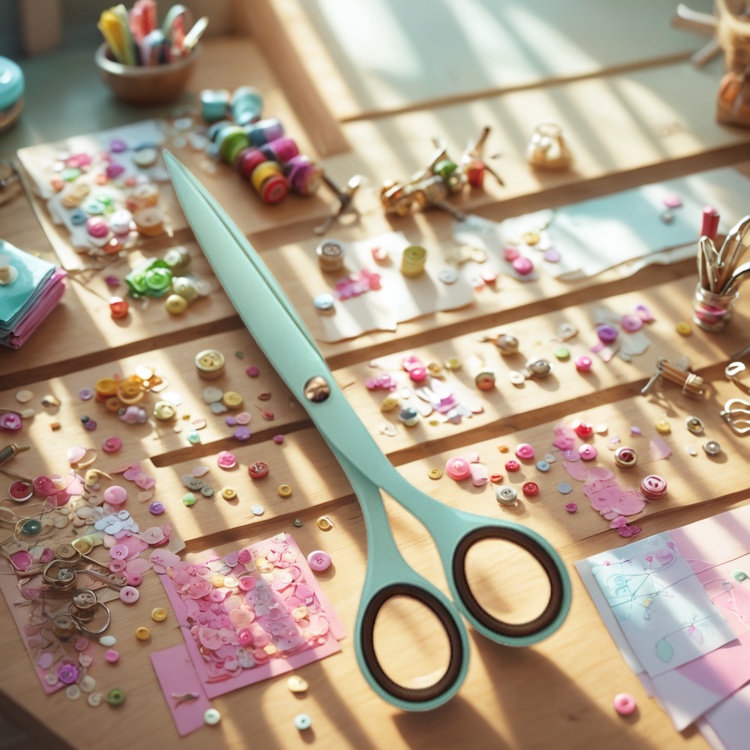
The original product focus highlights office stationery scissors, ergonomic design, and a turquoise precision scissors style made with high-grade stainless steel. Those details are useful starting points, but a serious sourcing process should go further. This guide explains what to check when comparing a scissors factory or stationery scissors manufacturer, without assuming unconfirmed specifications such as production capacity, compliance approvals, minimum order quantities, or test results.
Key Takeaways
- A reliable stationery scissors factory should be assessed by sample quality, cutting performance, comfort, packaging options, and communication clarity.
- For office and school markets, blade sharpness, handle comfort, and safe, consistent finishing are more important than decorative color alone.
- Do not assume MOQ, certifications, lead times, or material details unless the supplier confirms them in writing.
- OEM and wholesale buyers should request pre-production samples, packaging mockups, and clear quality inspection criteria before mass production.
What a Stationery Scissors Factory Typically Supplies
A stationery scissors factory may produce scissors for office work, school use, craft projects, home organization, and promotional stationery sets. The category can include compact scissors for pencil cases, general office scissors, left- or right-hand styles, soft-grip handles, colored handles, and private-label packaging. Product range matters because buyers often need several models to serve different channels, such as retail stores, online bundles, corporate supply contracts, or educational distributors.
The source article refers to products such as Turquoise Precision Scissors, which suggests a focus on both appearance and cutting accuracy. A colored handle can help a product stand out on a shelf or in an online listing, but the visual design should not distract from basic performance. Buyers should ask whether similar colors, handle shapes, blade lengths, or packaging formats are available, and whether any customization affects cost, sample timing, or production lead time.
Blade Quality and Cutting Performance
For stationery scissors, cutting performance is the core value. The original article states that the scissors are crafted with high-grade stainless steel and designed for precise, sharp cuts. When discussing any specific order, buyers should ask the factory to confirm the blade material, blade thickness, surface finish, hardness target if applicable, and whether the blade edge is suitable for paper, cardstock, tape, fabric scraps, or general office use.
Sample testing should be practical. Cut printer paper, envelopes, thin cardboard, adhesive labels, wrapping paper, and other materials relevant to the target customer. Check whether the scissors cut from pivot to tip without tearing, whether the blades rub too tightly, and whether the screw or rivet feels stable after repeated use. A supplier that understands the category should be able to discuss these issues clearly, even if final specifications depend on the selected model.
Ergonomics, Handle Design, and Daily Use
The source mentions ergonomic design, comfort, and ease during extended use. This is important for office workers, teachers, craft users, warehouse packing staff, and anyone who cuts frequently. A good handle should allow the hand to open and close naturally, without sharp edges or uncomfortable pressure points. The finger loops should suit the expected user group, especially if the product is intended for adults, students, or mixed office environments.
When reviewing samples, test the scissors with different hand sizes. Look at the inner handle surface, the balance between blade and handle, and the smoothness of the pivot action. For colorful models such as turquoise scissors, ask whether the color is consistent across batches and whether the handle material and finish are suitable for the planned price segment. If the buyer needs a premium, budget, or promotional product, the handle design should match that use case.
Comparison Checklist for Factory Evaluation
| Evaluation Area | What to Check | Questions to Ask the Supplier |
|---|---|---|
| Blade performance | Sharpness, smooth cutting, tip accuracy, pivot stability | What materials are the blades made from, and what cutting tests are used? |
| Handle comfort | Grip shape, edge smoothness, hand fit, opening resistance | Are different handle sizes, colors, or grip styles available? |
| Product consistency | Batch appearance, alignment, screw or rivet quality | How are samples compared with bulk production before shipment? |
| OEM options | Logo, color, packaging, assortment sets | What customization choices require tooling, artwork approval, or extra lead time? |
| Commercial terms | MOQ, lead time, payment, shipping carton details | Can you confirm all order terms in a quotation or pro forma invoice? |
OEM, Wholesale, and Packaging Considerations
Many buyers searching for a stationery scissors manufacturer are looking for OEM or wholesale supply rather than a single retail purchase. In that case, the sourcing conversation should include branding and packaging early. Ask whether the supplier can support logo printing, barcode labels, blister cards, paper cards, hang holes, color boxes, or bulk cartons. Do not assume these services are included; request mockups and confirm artwork requirements.
Packaging should protect the product and communicate the correct use. For office stationery scissors, buyers may need clear product names, size information, usage notes, or safety warnings depending on the destination market. Because legal and compliance requirements vary by country and sales channel, buyers should verify what labels, age grading, testing, or documentation are required before approving packaging artwork.
How to Request Samples and Confirm Quality
A structured sample process reduces misunderstanding. Start with a product brief that states the target market, approximate retail positioning, preferred color, blade length if known, handle style, packaging type, and expected order quantity range. If the factory has existing models, ask for catalog options first. If customization is needed, ask what can be changed without new tooling and what requires additional development.
- Request standard samples that match the intended product category.
- Test cutting performance on real materials used by your customers.
- Compare handle comfort across several users, not only one reviewer.
- Confirm blade material, packaging, color, logo position, and carton details in writing.
- Approve a final sample before bulk production and define inspection standards.
For larger orders, buyers may also arrange third-party inspection or internal incoming quality checks. The inspection checklist can include blade alignment, handle color, surface marks, packaging accuracy, carton labeling, quantity, and basic functional cutting tests.
Practical FAQ
What should I ask a stationery scissors factory before ordering?
Ask about available models, blade material, handle options, packaging choices, MOQ, lead time, sample cost, customization limits, inspection process, and shipping carton information. Request written confirmation instead of relying on informal messages.
Are turquoise precision scissors suitable for office use?
They can be suitable if the sample cuts cleanly, feels comfortable, and matches the required office tasks. The turquoise color may support visual appeal or product differentiation, but buyers should still prioritize performance and consistency.
Can a scissors factory provide OEM branding?
Many suppliers may offer OEM options, but the exact services vary. Buyers should ask about logo methods, handle color options, packaging artwork, tooling needs, approval samples, and any extra costs or lead time.
How can I compare two office stationery scissors suppliers?
Use the same sample tests for both suppliers. Compare blade sharpness, pivot smoothness, handle comfort, packaging quality, communication speed, quotation clarity, and the supplier's ability to answer technical and commercial questions.
Final Sourcing Advice
A good stationery scissors factory should help buyers balance precision, comfort, appearance, and dependable supply. The best approach is to treat scissors as a practical tool first and a designed product second. Attractive colors, including turquoise, can strengthen a product line, but cutting quality and hand comfort determine whether customers reorder. Before committing to wholesale or OEM production, request samples, document specifications, confirm packaging, and ask the supplier to explain how quality is checked before shipment.
