




Stationery Scissors Factory: Practical Sourcing Guide for OEM Buyers
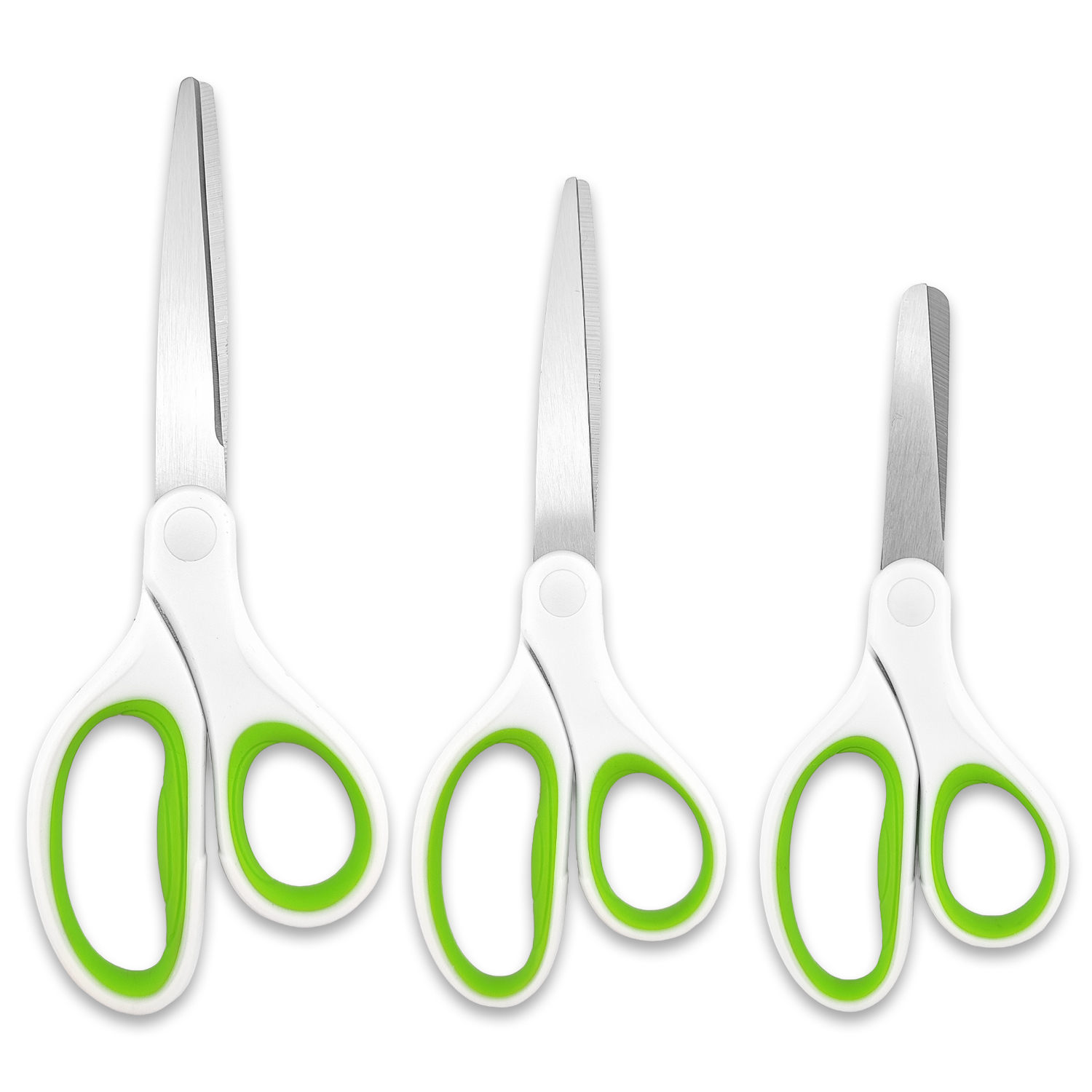
Sourcing from a stationery scissors factory is not only about finding a sharp cutting tool. For importers, distributors, office supply brands, school supply buyers and private-label retailers, the real task is to select a supplier that can deliver consistent products, clear communication and suitable OEM options. Scissors may look simple, but small differences in blade alignment, handle comfort, packaging strength and inspection standards can affect customer satisfaction.
The original article introduced Bonet Houseware as a stationery scissors manufacturer and OEM scissors supplier, with contact information for Ann Wu and links to Bonet websites. This rewritten guide keeps the focus on the same sourcing intent while giving buyers a more practical framework for evaluating any stationery scissors factory before placing an order.
Key Takeaways
- A reliable stationery scissors factory should be evaluated through samples, production questions and quality control records, not marketing claims alone.
- OEM buyers should define handle design, blade finish, packaging, labeling and intended user group before requesting a quotation.
- Ask suppliers to confirm material, size, testing, compliance and commercial terms in writing rather than assuming specifications.
- For wholesale programs, consistency across repeat orders is often more important than choosing the lowest unit price.
What Buyers Should Expect From a Stationery Scissors Factory
A stationery scissors factory typically supports cutting tools for office, school, craft and general household use. Depending on the supplier, available services may include product design discussion, sample preparation, packaging development and bulk production. However, buyers should avoid assuming that every factory offers the same scope. Some suppliers focus on standard ready-made styles, while others may support OEM adjustments such as handle color, printed branding or custom retail packaging.
Before comparing suppliers, define the use case clearly. Scissors for school supply kits may need a different approach from scissors sold to offices, craft stores or promotional product channels. A buyer should describe the target user, cutting material, retail price level and packaging channel. This helps the manufacturer recommend realistic options and prevents confusion during sampling.
Important Product Details to Confirm
The most important sourcing step is to confirm product details that directly affect performance and safety expectations. Do not rely only on photos. Request samples and inspect how the scissors open, close and cut. Check whether the two blades meet evenly, whether the pivot feels stable, and whether the handles fit the intended user group.
Buyers should ask the factory to identify the blade material, handle material, size, finish, edge treatment and any available color options. If a supplier describes a product as suitable for children, offices, crafts or professional use, ask what design features support that claim. If compliance testing is needed for your market, request documentation and confirm whether the factory can provide current reports through an appropriate testing process.
OEM and Private Label Questions to Ask
OEM sourcing works best when the buyer provides a detailed brief. A vague request for a custom scissors product can lead to delays, sample revisions and cost changes. Start with a written specification sheet covering dimensions, color, logo placement, packaging format and order destination. If you do not know the final specification, ask the supplier which options are commonly available and which require new tooling or longer development time.
Useful OEM questions include:
- Which parts of the scissors can be customized: handle color, logo, blade finish, packaging or product size?
- Is a new mold or tooling required for the requested design?
- What sample process is used before mass production?
- What artwork files are needed for logos, cards, labels or retail packaging?
- How are color, packaging and product appearance approved before shipment?
These questions do not replace commercial negotiation, but they help both sides avoid misunderstandings. They also make it easier to compare an OEM scissors supplier against other potential factories.
Quality Control Checklist for Stationery Scissors
Stationery scissors are often purchased in large quantities, so small defects can become expensive if they repeat across a shipment. Buyers should discuss inspection methods before production begins. A factory may have its own internal checks, but importers and brand owners should still define acceptance criteria. If you use a third-party inspection company, share the checklist with the supplier in advance.
| Check Point | What to Review | Buyer Question |
|---|---|---|
| Cutting performance | Clean cut on intended materials without excessive force | What materials are used for routine cutting tests? |
| Blade alignment | Blades meet properly from pivot to tip | How is alignment checked during production? |
| Handle finish | No sharp plastic edges, cracks or obvious color mismatch | What visual defects are considered unacceptable? |
| Pivot stability | Smooth opening and closing without looseness | Is torque or movement checked during inspection? |
| Packaging | Correct barcode, label, artwork and carton protection | Can pre-production packaging be approved before bulk packing? |
Packaging and Wholesale Readiness
Wholesale stationery scissors may be sold through supermarkets, office supply channels, school distributors, online stores or promotional programs. Each channel has different packaging needs. A retail store may require a hang card or blister-style presentation, while an online seller may care more about compact protective packing and scannable labels. Institutional buyers may prefer simple bulk packing with clear item identification.
Ask the supplier what packaging formats are available and whether packaging artwork can be customized. Confirm carton quantity, carton marking, inner packing method and whether packaging samples can be reviewed before production. If you sell through a marketplace or retailer with strict labeling rules, provide those rules early. The factory should not be expected to guess your destination-market labeling requirements.
How to Compare Factory Quotations Fairly
A low quotation is only meaningful when the specifications are the same. When comparing stationery scissors manufacturers, make sure each quote is based on identical size, material, packaging, logo, quantity and shipment terms. If one supplier includes retail packaging and another quotes bulk packing, the prices cannot be compared directly.
Also ask what is included in the price and what may change after sample approval. Potential cost variables include packaging style, color quantity, logo process, tooling, inspection, carton requirements and shipping terms. Buyers should request written confirmation of lead time, payment terms, sample charges, production approval steps and how defects or shortages are handled.
Communication Tips for International Buyers
Good communication reduces sourcing risk. When contacting a factory, provide a structured inquiry rather than a short message asking for the best price. Include product photos or references, expected order quantity, target market, packaging preference and any required documentation. If you are not ready to specify every detail, explain which points are flexible.
The original article listed Ann Wu as the contact person with phone number 86 13824973976 and email ann@bonetcn.com, along with the websites bonetfactory.com and bonethome.com. Buyers who contact any supplier should still verify current product availability, quotation details and business terms directly before placing an order.
Practical FAQ
What should I ask before ordering stationery scissors from a factory?
Ask for product size, materials, packaging options, sample process, production lead time, inspection standards and available customization. If compliance documents are required for your market, request details before confirming the order.
Can a stationery scissors manufacturer support private label packaging?
Many OEM suppliers may support private label packaging, but the available options vary. Ask whether logos, colors, cards, labels, barcodes and carton marks can be customized, and confirm artwork requirements in advance.
How do I judge sample quality?
Test cutting performance, blade alignment, handle comfort, opening and closing smoothness, surface finish and packaging accuracy. Compare the sample with your intended retail positioning and user group.
Should I choose the cheapest scissors supplier?
Not automatically. A cheaper quote may reflect different materials, lighter packaging, fewer inspections or less customization. Compare quotations only after confirming that specifications and service scope match.
What details should be confirmed before mass production?
Confirm the approved sample, final artwork, packaging method, carton marks, quantity, delivery schedule, inspection criteria and payment terms. Keep approvals in writing so both buyer and supplier share the same expectations.
