




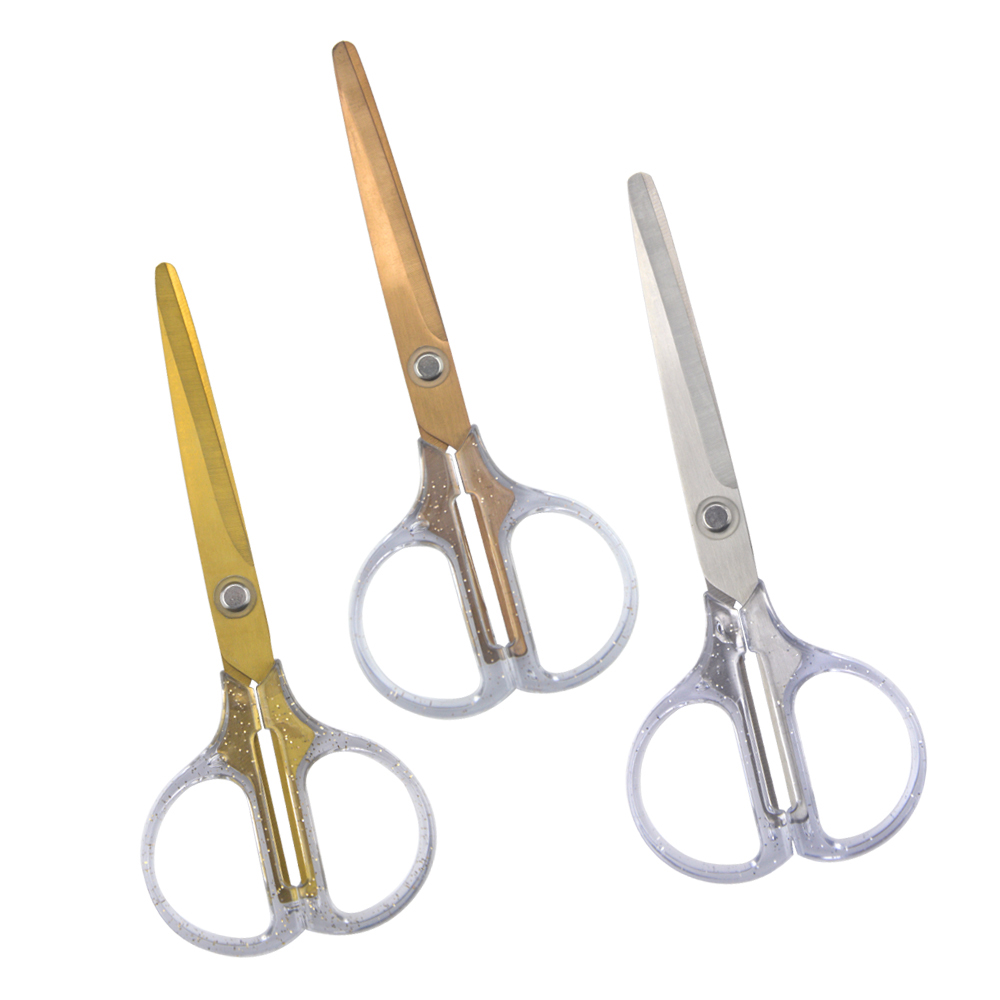
Stationery Scissors for Schools: Patterns, Sizes and Ergonomics
Stationery scissors are small classroom tools, but the wrong choice can create daily frustration for students and teachers. A pair that is too large, uncomfortable or unsuitable for the task may slow down craft lessons, paper activities and basic classroom preparation. A better choice balances cutting performance, handle comfort, age suitability and durability.
The original Bonet Houseware article highlights stationery scissors for schools, including ergonomic designs, patterned covers, matte pastel handle colors, and size options from 6 to 11.4 inches. This updated guide expands that information into practical buying guidance for schools, distributors and education supply buyers who need to compare options before placing an order.
Key Takeaways
- Choose scissor size by student age, hand size and classroom task rather than appearance alone.
- Ergonomic stationery scissors can help reduce hand fatigue during longer craft sessions.
- Patterned designs, such as swans, cats and daisies, can support easy identification and student engagement.
- For wholesale or school purchasing, confirm packaging, blade suitability, safety features and replacement policy with the supplier.
What Schools Need from Stationery Scissors
Schools use scissors for many activities: cutting worksheets, making flashcards, preparing bulletin boards, art projects, paper collages and seasonal classroom displays. In early grades, scissors also help children develop fine motor control, hand strength and coordination. In higher grades, students may need more precision for design, model-making or project work.
Because school scissors are used repeatedly and often shared, buyers should look beyond color. The best option depends on who will use them, what materials they will cut and how the tools will be stored. A classroom set for young children has different priorities from scissors purchased for an art room, office supply cabinet or school bookstore.
Patterns and Designs: Useful, Not Just Decorative
Stationery scissors with designs can make classroom tools easier to manage. The original article mentions the New Pattern Cover Series, with stylish handles in matte finishes such as pastel blue and pink, as well as motifs including swans, cats and daisies. These visual differences can help teachers assign scissors by group, table or activity station.
Patterned scissors may also reduce mix-ups when several classrooms share supplies. For example, one class might use blue-handled scissors while another uses pink-handled ones. Motifs can help younger students remember which pair belongs in which tray. However, design should not replace practical checks. A patterned handle still needs to fit the hand comfortably, support control and withstand regular classroom handling.
Ergonomics and Classroom Comfort
Ergonomic stationery scissors are designed to feel more comfortable during repeated cutting. For students, this matters because cutting is not only a craft activity; it is a motor-skill exercise. Handles that are awkward or too tight may cause students to grip harder than necessary, which can lead to hand fatigue.
When assessing ergonomics, consider the handle opening, finger placement and overall balance. Teachers may prefer scissors that feel stable rather than flimsy, especially for group craft work. For younger users, comfort also supports confidence. A child who can hold the scissors correctly is more likely to cut safely and follow lines accurately.
For institutional buyers, it is sensible to request samples before ordering in quantity. Ask several staff members or age groups to try them with common classroom materials. A short trial often reveals issues that product photos cannot show.
Size Selection: From 6 to 11.4 Inches
The original article notes that ergonomic stationery scissors are available in sizes ranging from 6 to 11.4 inches. This range allows schools to match scissors to different users and tasks. Smaller sizes are often easier for children to control, while longer scissors may be more efficient for teachers, administrators or older students cutting larger sheets.
Size should be chosen carefully. A longer blade can cut faster in a straight line, but it may be harder for a young student to control. A shorter scissor may be safer and more precise for small paper projects, but less efficient for repeated cutting of large classroom displays. Schools may need a mixed set rather than one size for every room.
Comparison Checklist for School Buyers
| Buying factor | What to check | Why it matters |
|---|---|---|
| Size | Confirm available lengths, including options in the 6 to 11.4 inch range. | Helps match scissors to student age, hand size and cutting task. |
| Handle comfort | Test grip shape, finger openings and ease of control. | Supports longer use with less strain. |
| Design and color | Review matte finishes, pastel colors and motifs such as swans, cats or daisies. | Improves classroom organization and student recognition. |
| Material suitability | Ask what materials the scissors are intended to cut, such as paper, craft sheets or fabric. | Prevents misuse and premature wear. |
| Safety and age suitability | Ask whether tips, blade sharpness and packaging are appropriate for the intended age group. | Reduces classroom risk and supports responsible use. |
| Bulk purchasing | Confirm pack quantity, labeling, lead time, sample availability and after-sales handling. | Helps schools and distributors plan inventory accurately. |
Use and Care Tips for Longer Service
Even well-chosen scissors need proper handling. Schools can extend service life by setting simple classroom rules. Scissors should be used only for suitable materials, stored dry and returned to a tray or holder after use. If a pair becomes loose, damaged or difficult to open and close, it should be removed from student use until checked.
- Assign scissors by activity or table to reduce loss and confusion.
- Keep paper scissors separate from scissors used for fabric, tape or heavier craft materials.
- Teach students to carry scissors closed and pointed downward.
- Wipe adhesive residue from blades after cutting tape-backed materials.
- Inspect classroom sets regularly for damaged handles or misaligned blades.
The original article mentions use with lightweight paper and thicker fabrics. Before relying on one scissor for multiple materials, buyers should ask the supplier which materials are recommended for that model. Cutting unsuitable materials may reduce performance or create safety concerns.
B2B Sourcing Guidance for Schools and Distributors
For school procurement teams, stationery wholesalers and education supply distributors, the decision is not only about one pair of scissors. It is about consistency, repeat ordering and suitability across many classrooms. Before placing a bulk order, request clear product information rather than assuming all patterned stationery scissors perform the same way.
Useful supplier questions include: What sizes are available? Are the handle colors and patterns consistent across batches? Can samples be provided for classroom testing? What packaging options are available for school sets, retail packs or distributor cartons? Are there age recommendations or safety notes for each model? What is the process if products arrive damaged?
Avoid relying only on catalog images. A sample review can help buyers evaluate cutting feel, handle finish, blade alignment and the practicality of storing the scissors in classroom bins. If the order is for resale, confirm labeling requirements, barcode needs and whether the product information matches the market where it will be sold.
FAQ
What size stationery scissors are best for schools?
There is no single best size. Younger students usually need smaller, easier-to-control scissors, while teachers and older students may prefer longer sizes for larger sheets. Since sizes may range from 6 to 11.4 inches, schools should match size to user age and task.
Are patterned scissors suitable for classroom use?
Yes, patterned scissors can be practical when the handle is comfortable and the blade is suitable for the intended work. Designs such as swans, cats and daisies can also help teachers organize scissors by group or classroom.
Why choose ergonomic stationery scissors?
Ergonomic scissors can improve comfort during repeated cutting. They may help students maintain better grip control and reduce hand fatigue during art, craft and worksheet activities.
Can one pair of scissors cut paper and fabric?
Some scissors may handle more than one material, but buyers should confirm intended use with the supplier. Schools should avoid using classroom paper scissors on materials that could damage the blades or make them unsafe.
What should buyers ask before bulk ordering?
Ask about available sizes, sample policy, packaging, age suitability, handle patterns, recommended materials, lead time and how the supplier handles damaged or inconsistent items.
Final Thoughts
Stationery scissors for schools should be selected with the same care as other classroom tools. Attractive matte pastel handles and playful motifs can make supplies easier to identify, but size, ergonomics and intended use matter most. For schools and distributors, the best approach is to compare samples, ask clear supplier questions and choose scissors that fit real classroom routines.
